Showing posts with label mold inspection. Show all posts

Wednesday, October 14, 2026

Can You Sell a House with Mold in Texas? What Sellers Need to Know

 Water intrusion and possible mold growth on a ceiling and upper wall

Selling a house with mold in Texas is possible. Mold does not automatically prevent you from listing or selling a property, but ignoring it can create avoidable delays, difficult negotiations, financing problems, and legal risk.

The most effective strategy is to address the issue before listing. A professional mold inspection can help you understand the condition, identify the moisture source, document the findings, and decide whether remediation is appropriate. That information gives you greater control over the transaction and helps you communicate with prospective buyers more confidently.

If you are preparing to sell in San Antonio, Boerne, Bandera, Kerrville, or the surrounding Texas Hill Country, here is what you should know.

Texas Sellers Must Disclose Known Property Conditions

Texas Property Code § 5.008 requires sellers of most residential properties with no more than one dwelling unit to provide a written disclosure concerning the seller’s knowledge of the property’s condition. The notice is not a substitute for a buyer’s inspection, but it gives the buyer important information about known defects and conditions.

When mold is present or has been discovered in the past, disclosure may involve more than simply noting the word “mold.” You should work with your real estate agent and, when necessary, a Texas real estate attorney to accurately describe:

  • Known or suspected mold growth
  • Musty odors that have been investigated
  • Current or previous water intrusion
  • Roof, plumbing, HVAC, foundation, or drainage problems associated with moisture
  • Areas where materials were removed or replaced because of mold or water damage
  • Previous mold testing or inspection results
  • Professional remediation work
  • Available invoices, warranties, clearance documentation, and certificates

The key issue is your actual knowledge. You are generally not required to predict every condition an inspector might find, but you should not conceal a known problem or provide misleading information about repairs.

Deliver the disclosure notice on or before the effective date of the binding purchase contract, as required by Texas law. If the required notice is not provided when required, the buyer may have a right to terminate the contract after receiving it. Use the current Texas Real Estate Commission Seller’s Disclosure Notice, which is identified by TREC as Form 55-1 and effective May 28, 2026.

An “As-Is” Sale Does Not Eliminate Disclosure Duties

Some sellers believe that checking “as-is” allows them to avoid discussing mold. That is not a safe assumption.

An as-is agreement may affect the parties’ expectations about repairs, but it does not authorize a seller to misrepresent or conceal a known material condition. If you know that a property has mold, recurring moisture, or unresolved water damage, disclose it accurately and retain supporting documentation.

Transparency benefits you because it reduces the likelihood of a buyer discovering the condition late in the transaction. Early disclosure also gives buyers and their representatives an opportunity to evaluate the issue within the inspection and negotiation process, rather than treating it as a last-minute surprise.

Do You Have to Get a Mold Inspection Before Selling?

Texas law does not require every seller to obtain a mold inspection before listing a home. However, a pre-listing inspection can be a strategic advantage when you see warning signs such as:

  • Persistent musty odors
  • Ceiling or wall staining
  • Peeling, bubbling, or discolored paint
  • Repeated plumbing leaks
  • Condensation around HVAC equipment or supply registers
  • Past flooding or roof leaks
  • Damp crawl spaces, attics, or under-sink cabinets
  • Health or comfort complaints that improve when occupants leave the home

A professional assessment can help separate a confirmed concern from a surface stain, old cosmetic damage, or another condition that resembles mold. Testing may also be appropriate when the suspected growth is hidden or when the scope of a moisture problem is unclear.
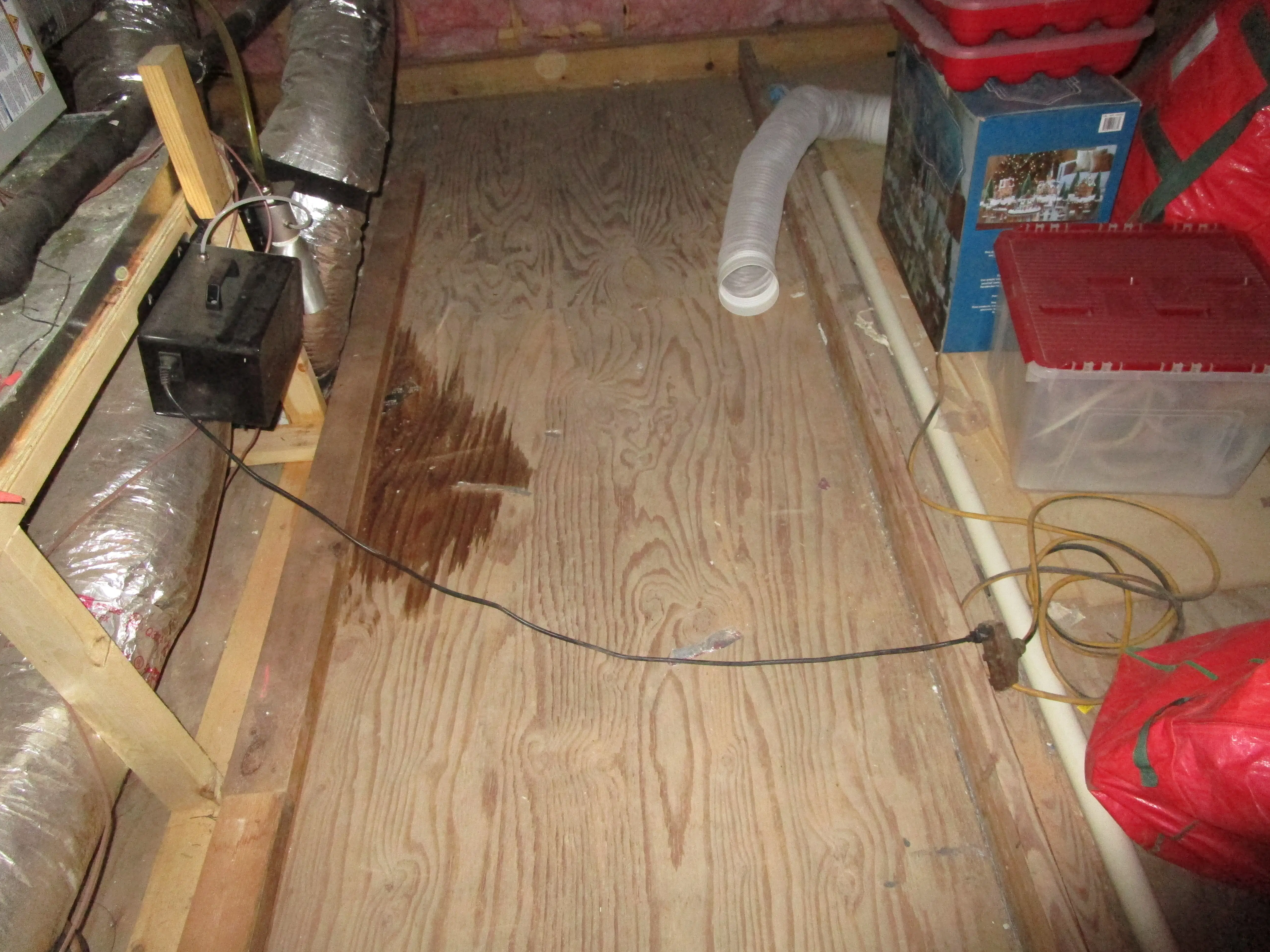
Water staining and possible moisture concerns near attic mechanical equipment

When you schedule a mold inspection in San Antonio, ask what the service includes. Depending on the property and the observed conditions, the evaluation may involve a visual inspection, moisture investigation, targeted sampling, laboratory analysis, and recommendations for further action.

A laboratory result should not be viewed in isolation. The location of the sample, moisture conditions, building materials, ventilation, and history of the property all matter. A useful report should explain the findings in practical terms so you can make informed decisions.

How a Pre-Listing Mold Inspection Helps Sellers

A mold inspection is not only a response to a problem. It can also help you manage the sale more effectively.

1. You gain a clearer repair strategy

A report can identify where moisture is present, what areas warrant additional evaluation, and whether the observed condition appears limited or more extensive. This prevents you from spending money on unnecessary work while helping you prioritize repairs that may affect safety, financing, or marketability.

2. You can address the moisture source first

Mold is commonly connected to a moisture condition. Cleaning or painting over visible growth without correcting the source may allow the problem to return.

Potential sources may include:

  • Plumbing leaks
  • Roof or flashing failures
  • Poor site drainage
  • Condensation
  • HVAC drain or duct problems
  • Inadequate bathroom ventilation
  • Foundation or crawl-space moisture

Correct the underlying moisture problem before cosmetic repairs. This improves the durability of the work and gives buyers greater confidence that the condition was not simply covered up.

3. You reduce negotiation surprises

A buyer’s inspection may still identify conditions that were not visible during your evaluation. However, obtaining information early allows you to disclose the issue, gather estimates, and decide how to structure the transaction before an offer is accepted.

You may choose to:

  • Complete appropriate repairs before listing
  • Obtain professional remediation
  • Offer a credit or price adjustment
  • Sell with the condition clearly documented
  • Provide reports and supporting records to qualified buyers

Your real estate professional can help you determine which approach best fits the market and your goals.

4. You create a stronger documentation file

Keep copies of inspection reports, laboratory results, photographs, invoices, moisture-repair records, warranties, and remediation documents. A complete file helps demonstrate what was found, what was repaired, and which work remains outstanding.

That documentation can improve buyer confidence because it replaces vague assurances with verifiable information.

When Is Remediation Necessary?

The appropriate response depends on the size, location, material, moisture source, and extent of the affected area. A small, isolated condition on a cleanable surface may require a different response than mold affecting drywall, insulation, flooring, ductwork, or concealed wall cavities.

Remediation is more likely to be necessary when:

  • Growth is extensive or recurring
  • Porous materials are affected
  • The moisture source remains active
  • HVAC components or air pathways are involved
  • The condition affects occupied areas
  • Water damage has weakened building materials
  • The property has a history of repeated moisture events
  • A buyer’s lender, insurer, or contract requirements call for professional correction

Do not rely on paint, bleach, fragrance products, or surface cleaning to resolve a substantial moisture problem. Those actions may alter the appearance without addressing contamination inside porous materials or the source of moisture.
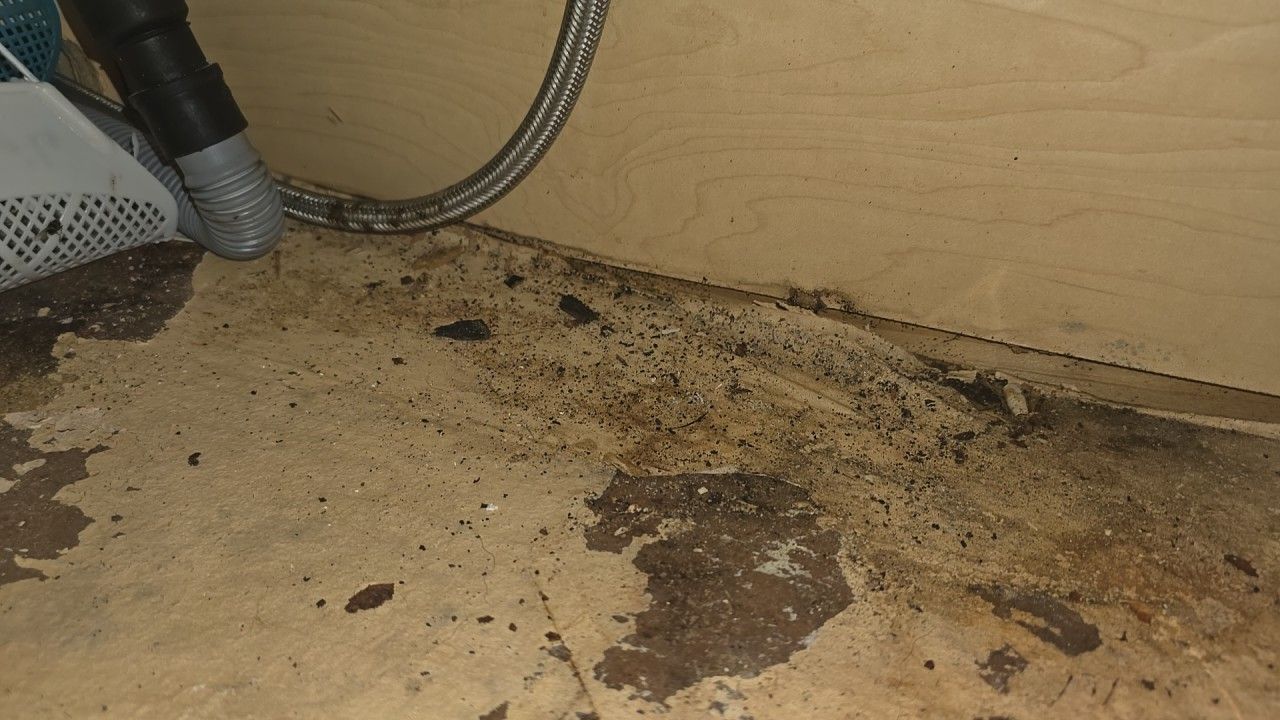
Moisture damage and possible microbial growth beneath a sink

Texas regulates mold assessment and remediation activities that affect indoor air quality. Under Texas Occupations Code Chapter 1958, mold assessment and mold remediation are separate regulated activities, and a license holder may not perform both services on the same project. Ask prospective professionals about their qualifications, scope of work, and documentation before authorizing work.

If licensed remediation is completed, Texas law requires the property owner to provide the buyer with a copy of each applicable Certificate of Mold Remediation issued during the five years preceding the sale. Keep the certificate with the rest of your transaction records. Remediation does not erase the fact that mold existed; it gives you documentation that the identified work was completed and evaluated under the applicable process.

What Sellers Should Do Before Listing

Use this practical sequence to stay organized:

  1. Investigate visible warning signs. Photograph affected areas without disturbing suspected growth.
  2. Arrange a professional mold inspection or assessment. Request clear documentation of the areas evaluated and any testing performed.
  3. Identify the moisture source. Consult the appropriate roofing, plumbing, HVAC, drainage, or building professional when needed.
  4. Obtain repair or remediation estimates. Compare the scope of work, qualifications, insurance, and documentation provided.
  5. Complete appropriate repairs before cosmetic work. Fixing the source first helps prevent recurrence.
  6. Organize your records. Retain reports, invoices, photographs, warranties, certificates, and clearance documentation.
  7. Review your disclosure with your agent or attorney. Disclose known conditions accurately and consistently.
  8. Give buyers reasonable access to relevant documentation. Clear records can make negotiations more focused and productive.
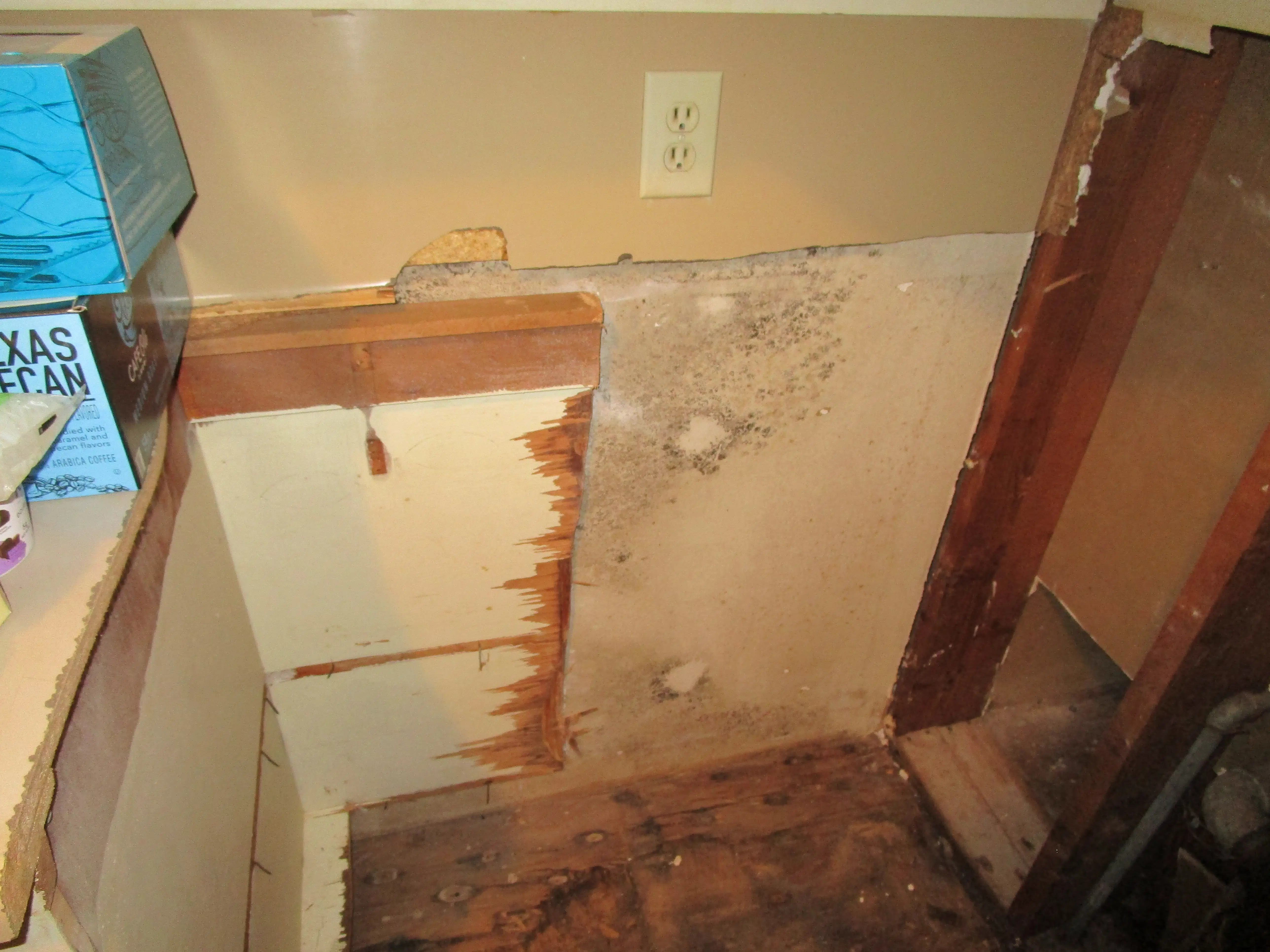
Mold-like growth and moisture damage on exposed wall and flooring materials

Why a Pre-Listing Inspection Is a Strategic Advantage

A pre-listing inspection in San Antonio gives you information before a buyer’s inspection places the issue under time pressure. It allows you to decide whether to repair, remediate, disclose, price accordingly, or pursue additional evaluation with a better understanding of the facts.

Veteran Home Inspections provides mold inspections and testing with laboratory analysis, remediation protocols, and clearance testing options. Our broader inspection services can also help identify moisture conditions involving the attic, HVAC system, roof, plumbing, and other parts of the property.

If you are preparing to sell and have concerns about mold or moisture, call Veteran Home Inspections at 210-202-1974 or request an inspection online. Addressing the issue early can help you approach the market with clearer documentation, fewer surprises, and greater control over the transaction.

This article provides general educational information and is not legal advice. Disclosure requirements can depend on the property, transaction, and facts known to the seller. Consult a qualified Texas real estate attorney or licensed real estate professional for advice about your specific situation.

Friday, August 28, 2026

That Musty Smell Isn't "Normal": 5 Signs Your San Antonio Home Needs a Mold Inspection

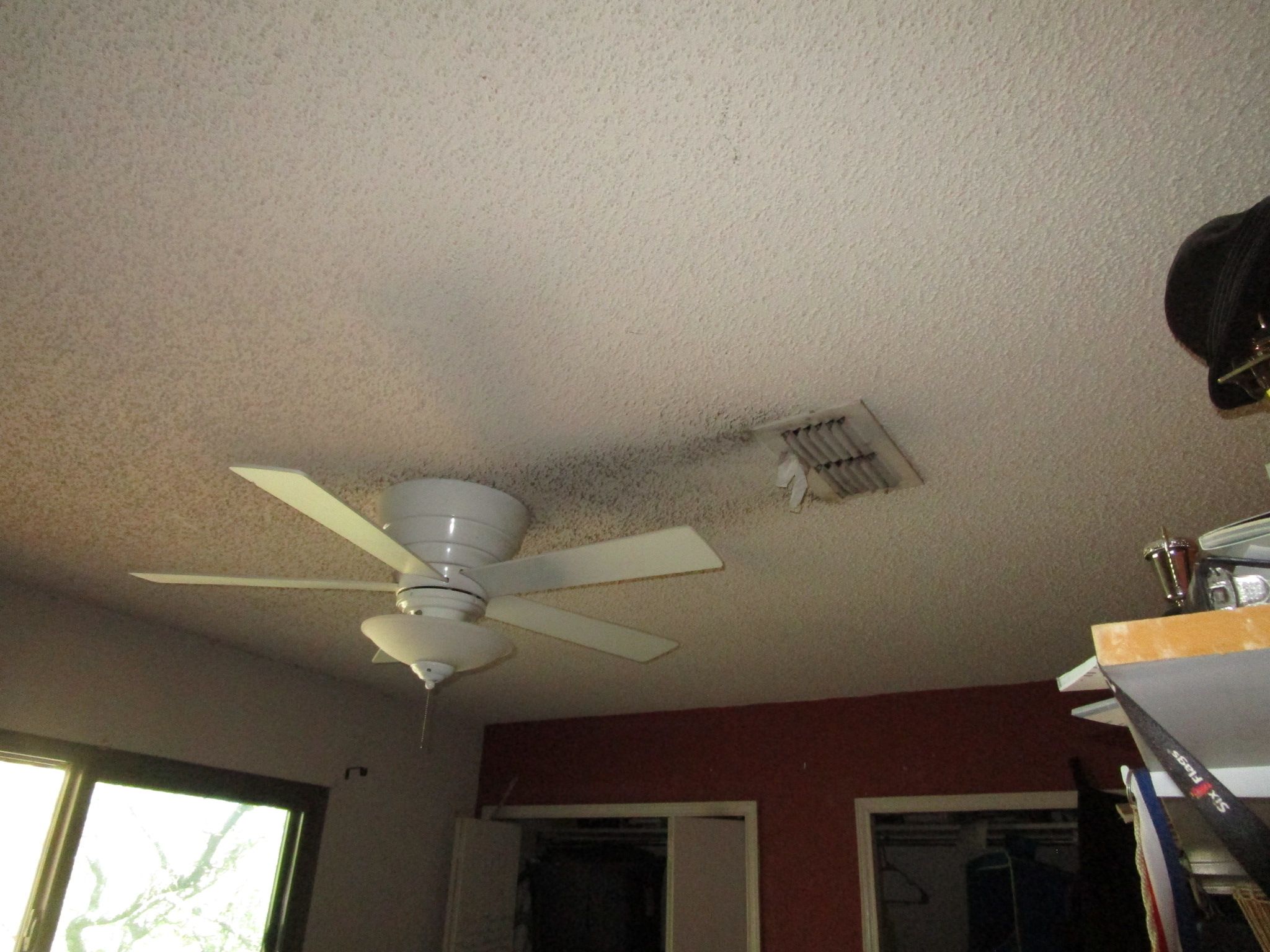
 Visible mold-like staining around a bedroom HVAC vent on a textured ceiling

Late-summer humidity can expose moisture problems that remain hidden during drier months. In San Antonio and throughout the Texas Hill Country, a musty odor may become more noticeable when warm, humid air meets cool surfaces, poorly ventilated spaces, or an air-conditioning system working continuously.

A musty smell does not prove that mold is present. However, it is a signal that you should investigate the source rather than cover the odor with air fresheners or assume it is simply part of an older home.

Mold growth requires moisture and a suitable surface. If you identify one or more of the warning signs below, scheduling a professional mold inspection in San Antonio can help you determine whether the concern is related to active moisture, past water damage, indoor humidity, or another building condition.

1. Persistent Musty or Earthy Odors

A persistent musty, earthy, or “old basement” smell is one of the most common reasons homeowners request a mold inspection. The odor may be strongest in a closet, bathroom, bedroom, attic, crawl space, HVAC area, or room located below a plumbing fixture.

Do not assume the odor is harmless simply because you cannot see mold. Growth may be located:

  • Behind drywall or paneling
  • Under flooring or carpet
  • Around HVAC equipment or ductwork
  • Inside cabinets beneath plumbing fixtures
  • In attics, crawl spaces, or wall cavities
  • Near roof penetrations or exterior wall openings

Odors can also come from damp insulation, decaying building materials, plumbing leaks, or poorly ventilated areas. A professional inspection helps separate these possibilities so you can address the source instead of repeatedly treating the symptom.

What you should do: Note when and where the odor is strongest. Pay attention to whether it increases after rain, when the air conditioner runs, or when the home has been closed up. This information gives the inspector a useful starting point and can reduce unnecessary investigation.

2. Discoloration on Walls, Ceilings, or Other Surfaces

Brown, yellow, gray, green, or black discoloration may indicate water staining, microbial growth, or a combination of both. Peeling paint, bubbling drywall, swollen trim, and deteriorated caulk are also important indicators because they suggest that moisture has affected the material.

Water intrusion and possible mold growth visible on a ceiling and upper wall

Pay particular attention to staining:

  • Around ceiling vents and light fixtures
  • Beneath bathrooms, kitchens, and laundry rooms
  • Near windows and exterior doors
  • Along baseboards and wall corners
  • Around skylights, chimneys, and roof transitions
  • In closets against exterior walls

A discolored area is not automatically mold. It may be an old stain that has dried, but a professional should still evaluate the surrounding material if the cause was never corrected. Painting over the area without identifying the moisture source can conceal a developing problem and make future repairs more disruptive.

What you should do: Avoid scraping, sanding, or disturbing suspicious material before it has been evaluated. Document the location with photographs and check whether the surface feels soft, damp, swollen, or unusually cool.

3. Past or Present Leaks

Even a leak that has been repaired can leave behind moisture-damaged materials. Water may have entered wall cavities, insulation, subflooring, or ceiling assemblies before the leak was discovered. If wet materials were not dried thoroughly, mold may develop later.

Common sources include:

  • Roof leaks after heavy rain or storms
  • Plumbing leaks beneath sinks or behind walls
  • Overflowing tubs, toilets, or washing machines
  • Air-conditioning condensate problems
  • Foundation or exterior drainage issues
  • Water intrusion around windows and doors

Moisture damage and possible microbial growth beneath a sink

A previous owner may also have completed cosmetic repairs without resolving the original cause. Fresh paint, replacement trim, or patched drywall does not necessarily confirm that the affected area was properly dried and remediated.

What you should do: Gather any available repair records, insurance claims, plumber invoices, or information about prior flooding. Share those details with the inspector because the history of a leak can help determine where hidden moisture may remain.

If water is actively entering the home, stop the source first when possible and contact the appropriate plumbing, roofing, or water-damage professional. Mold inspection identifies conditions and concerns; it does not replace emergency leak repair or professional remediation.

4. Repeated Condensation Problems

Condensation occurs when warm, moisture-laden air contacts a cooler surface. In San Antonio’s hot and humid climate, this can happen around air-conditioning vents, ductwork, windows, uninsulated pipes, and poorly ventilated rooms.

One isolated instance of condensation may not indicate a major problem. Repeated moisture, however, can create conditions that support mold growth over time. Watch for:

  • Water droplets on supply vents
  • Damp areas around HVAC equipment
  • Condensation on windows or cold-water pipes
  • Rust or staining near duct connections
  • Damp attic insulation
  • Persistent humidity in bathrooms, closets, or bedrooms

Attic mechanical area with water staining near HVAC components and ductwork

Condensation can also point to inadequate ventilation, blocked airflow, insulation gaps, excessive indoor humidity, or an HVAC drainage issue. Identifying the contributing condition benefits you in two ways: it helps reduce the chance of mold growth and can improve comfort and energy efficiency.

What you should do: Use bathroom exhaust fans during showers and for a period afterward. Keep HVAC filters clean, make sure supply and return vents are not blocked, and monitor indoor humidity with a reliable hygrometer. If condensation continues despite these steps, schedule an evaluation rather than relying on repeated cleaning.

5. Unexplained Allergy or Respiratory Symptoms

Mold and other indoor contaminants can aggravate allergy and respiratory symptoms in sensitive individuals. You may notice sneezing, congestion, coughing, eye irritation, wheezing, or asthma symptoms that seem worse in one room or improve after spending time away from the property.

These symptoms can have many causes, including seasonal pollen, dust, pets, cleaning products, and other environmental irritants. They do not establish that mold is present, and a home inspection cannot diagnose a medical condition.

However, a pattern is worth taking seriously: especially when symptoms occur alongside musty odors, visible staining, water damage, or recurring condensation.

What you should do: Consult a qualified medical professional about health concerns. At the same time, investigate the property if symptoms appear connected to specific rooms or building conditions. This two-part approach protects your health while helping you identify potential environmental contributors.

What Does a Professional Mold Inspection Include?

A thorough mold inspection in San Antonio should be based on the property’s history, visible conditions, moisture patterns, and the reason for the inspection. Depending on the scope, the evaluation may include:

Visual Inspection

The inspector examines accessible areas for visible growth, water staining, damaged materials, ventilation concerns, and conditions that could support microbial growth. This includes reviewing rooms, attics, crawl spaces, HVAC areas, plumbing locations, and other relevant portions of the property when accessible.

Moisture Evaluation and Infrared Imaging

Moisture meters help identify elevated moisture in building materials. Infrared imaging can reveal temperature differences associated with concealed moisture, missing insulation, or other conditions that are not apparent during a visual review.

Thermal image revealing a hidden water leak in a ceiling

Thermal imaging does not see through walls or identify mold directly. It is an investigative tool that can help the inspector target areas for further evaluation. Veteran Home Inspections uses professional infrared cameras during inspections to help identify hidden water leaks and other concerns.

Air and Surface Sampling

When appropriate to the inspection scope, air sampling may be used to compare indoor airborne particles with an outdoor or reference sample. Surface sampling, such as a swab or tape-lift sample, may help identify material collected from a suspicious area.

Sampling should support the inspection: not replace it. The U.S. Environmental Protection Agency explains that mold sampling is not always necessary, particularly when significant visible growth and a clear moisture source are already present. There is also no universal federal standard defining a “safe” indoor mold level. Results require professional interpretation in the context of the building’s conditions.

Written Findings and Recommendations

A useful report should document observed conditions, photographs, moisture concerns, sampling results when collected, and practical recommendations. The goal is to give you a clear path forward: correct the moisture source, determine whether materials need specialized remediation, and verify repairs when appropriate.

When Should You Stop Guessing and Call an Expert?

Schedule a professional evaluation when:

  • A musty odor persists after cleaning and ventilation
  • Staining returns after being painted or cleaned
  • You have experienced flooding or a significant leak
  • Condensation repeatedly affects the same areas
  • You find suspicious growth in an HVAC or attic space
  • Allergy-like symptoms seem connected to the home
  • You are buying or selling a property with unresolved moisture concerns

Do not disturb large areas of suspected growth or remove contaminated materials without understanding the appropriate safety and remediation requirements. If occupants have serious respiratory symptoms, are immunocompromised, or have other health concerns, consult a medical professional promptly.

Get Clear Answers About Your San Antonio Home

Moisture problems rarely improve when they are ignored. Early evaluation can help you identify the source, prevent additional damage, and make informed decisions about repairs or remediation.

Veteran Home Inspections provides property inspection services for homeowners and buyers in San Antonio and the surrounding Texas Hill Country. We can help investigate visible concerns, moisture conditions, and areas that may require additional professional attention.

Request an inspection online or call 210-202-1974 to discuss your concerns and determine the right next step.

Additional Resources

Monday, August 17, 2026

Beyond the Sniff Test: How Professional Mold Inspections Find What Homeowners Miss


Black mold staining on a bedroom ceiling near an HVAC vent, highlighting hidden indoor air quality issues

When it comes to maintaining a healthy living environment in the Texas Hill Country, few things create as much immediate anxiety as the suspicion of mold. Whether you notice a faint, earthy musty smell in your hallway or you are preparing to purchase a home in San Antonio, Boerne, or Kerrville, identifying mold growth is critical. Many homeowners assume that a quick DIY test kit from the local hardware store or a simple "sniff test" is enough to clear the air. Unfortunately, these makeshift methods often provide a false sense of security while leaving extensive, damaging colonies untouched behind your walls.

At Veteran Home Inspections, we believe that safeguarding your property requires precision, advanced technology, and professional expertise. Mold is rarely a surface-level problem you can spot easily with the naked eye. To protect your investment and your family's respiratory health, you need to understand why DIY checks fall short and how professional mold inspections reveal the unseen hazards lurking in your home.


The Illusion of the DIY Mold Test Kit

It is tempting to pick up a low-cost petri dish test kit, leave it out for an hour, and mail it away for a quick lab fee. On the surface, it feels proactive and cost-effective. However, building science and environmental professionals recognize major flaws in consumer-grade DIY kits:

  • Ubiquitous Spores: Mold spores exist naturally in the outdoor air everywhere: including San Antonio. Opening a petri dish indoors will almost always capture some spores, frequently triggering alarmist "positive" results even when indoor air quality is entirely normal.
  • Lack of Baseline Comparison: Professional air testing compares indoor spore counts and species diversity directly against an outdoor baseline sample. DIY kits lack this crucial comparative metric.
  • No Source Identification: A petri dish tells you that spores are floating around your home, but it cannot tell you where they are originating. It provides zero insight into structural moisture leaks or hidden colonies.

Relying on a DIY kit is like checking your car's engine health by looking at the steering wheel: it misses the core mechanical issues entirely.


Where Mold Hides Out of Sight

Mold thrives in dark, damp, and undisturbed environments. In South and Central Texas, high humidity combined with fluctuating indoor temperatures creates prime conditions for microbial growth in areas you rarely inspect.

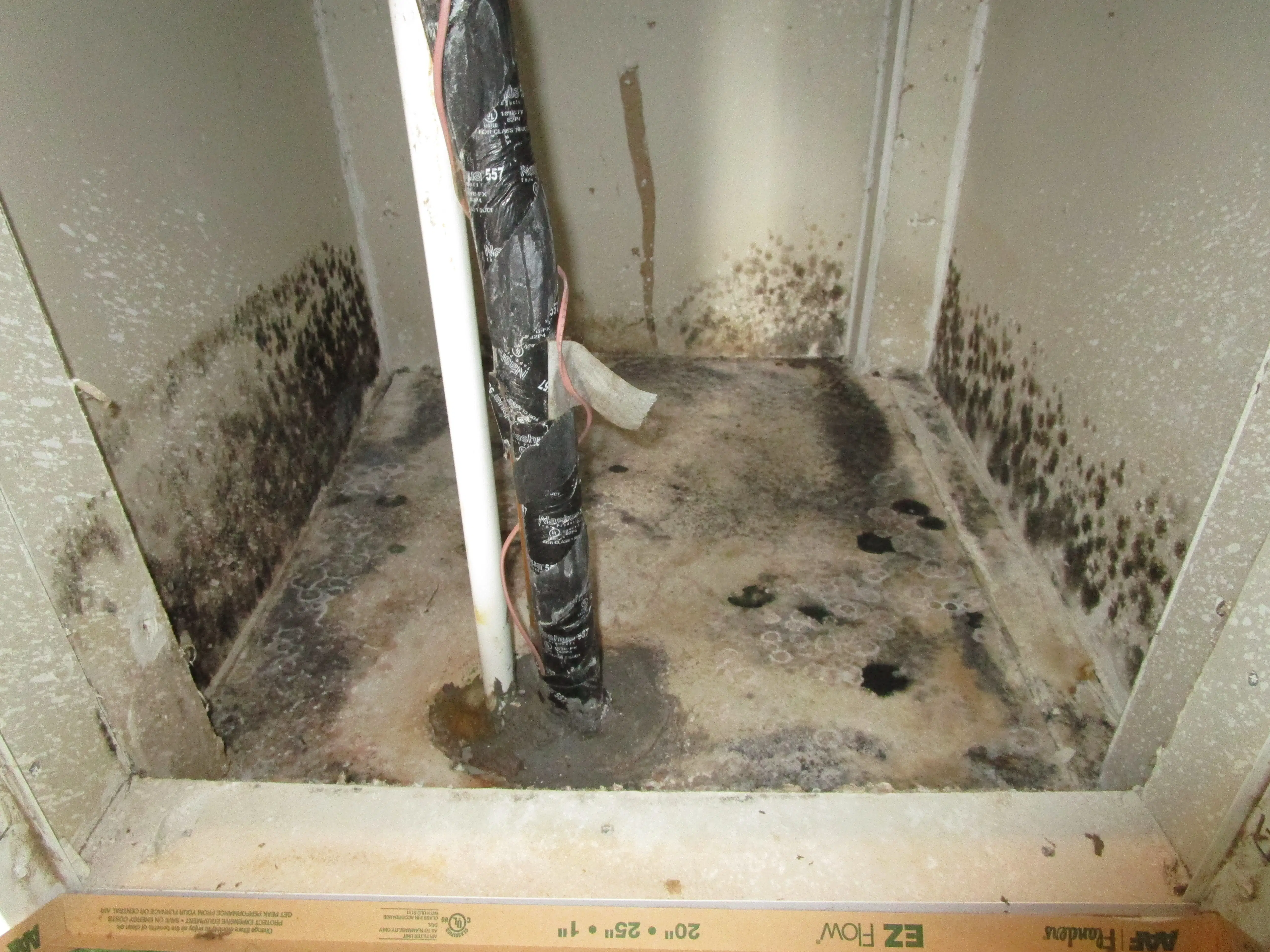
Extensive black microbial growth and moisture damage inside an HVAC closet

Common blind spots where mold flourishes include:

  • Inside HVAC Systems and Ductwork: Your heating and cooling system circulates air throughout every room. If condensation accumulates in the handler or duct lining, mold spores can multiply rapidly and disperse across the entire house every time the system kicks on.
  • Behind Drywall and Baseboards: Slow plumbing leaks, window frame seepage, or roof leaks saturate framing and drywall paper from the inside out, creating hidden reservoirs of mold before any staining appears on the painted surface.
  • Under Flooring and Subfloors: Bathrooms, kitchens, and laundry rooms frequently experience micro-leaks around fixtures and appliances. Water seeps beneath vinyl, tile, or laminate flooring, creating trapped moisture pockets.
  • Attics and Crawlspaces: Poor attic ventilation, wet crawlspaces, or unsealed roof penetrations allow ambient moisture to condense on wooden roof decking, subflooring, and framing.

Advanced Professional Tools of the Trade

Professional mold inspectors do not rely on guesswork or a strong sense of smell. At Veteran Home Inspections, we utilize specialized, non-invasive diagnostic tools designed to locate moisture and microbial activity before tearing down your walls:

Thermal Imaging Cameras

Infrared thermography detects minute surface temperature variations. Because damp materials hold thermal energy differently than dry materials, a thermal camera instantly highlights hidden wet spots behind walls or ceilings, pointing directly to potential mold breeding grounds.

Precision Moisture Meters

Pin and pin-less moisture meters measure the exact saturation percentage of building materials like wood, drywall, and masonry. This allows our inspectors to map out moisture migration paths and identify active leaks.

Calibrated Air Sampling Pumps

Using professional spore trap cassettes and calibrated pumps, we draw precise volumes of indoor air to capture airborne particulate matter. These samples are sent to accredited independent laboratories for detailed species identification and concentration analysis.


Visual Inspection vs. Comprehensive Testing

A thorough professional mold assessment is a two-part process that combines a meticulous physical evaluation with scientific testing.

Visible mold and water damage on an exposed wall and floor paneling

During a visual inspection, the inspectors examine the property's exterior drainage, rooflines, plumbing fixtures, and interior living spaces for signs of past or active water intrusion. We check high-risk zones like under-sink plumbing cabinets and mechanical rooms for early indicators of trouble.

When conditions warrant testing, we gather targeted air and surface samples (such as tape lifts or swab samples of suspicious staining). The resulting laboratory report provides objective data, detailing whether spore concentrations exceed normal outdoor thresholds and identifying specific allergenic or toxic species present in the home.


Protecting Your Health and Property Value

Unaddressed mold can compromise structural wood framing, ruin drywall integrity, and trigger persistent allergic reactions, asthma attacks, and respiratory distress for occupants. For homebuyers in the San Antonio area, discovering mold after closing can lead to expensive remediation bills that derail your budget.

By investing in a comprehensive professional mold inspection before finalizing a real estate purchase or after experiencing a plumbing leak, you secure complete clarity regarding your indoor environment. You gain actionable, expert recommendations that target the root moisture source rather than merely cleaning surface blemishes.

Evidence of water damage and potential microbial growth underneath a kitchen sink baseboard


Schedule Your Professional Inspection Today

Don't leave your indoor air quality to chance or rely on inconclusive DIY test kits. When you need accurate, detailed insights into your property's condition, trust the experts who combine rigorous building science with military-grade precision and discipline.

Contact Veteran Home Inspections today at 210-202-1974 or visit our contact page to schedule your comprehensive property and air quality assessment across San Antonio, Boerne, Kerrville, and the surrounding Texas Hill Country communities.

Saturday, August 8, 2026

After the Water Recedes: Why Professional Mold Testing Should Be Your First Step in Post-Flood Recovery


Exposed wall and floor area with visible mold growth and water damage indicating the aftermath of water intrusion

As summer storm season sweeps across the Texas Hill Country and San Antonio, torrential downpours and flash floods can quickly turn a peaceful property into a water-damaged environment. When the skies clear and the floodwaters recede, homeowners often breathe a sigh of relief once standing water is pumped out. However, physical water removal is only the very first step in a complex recovery process. Beneath what appears to be a drying home, hidden moisture trapped in wall cavities, subflooring, and HVAC systems can ignite aggressive mold growth within 24 to 48 hours.

At Veteran Home Inspections, we understand the urgency and stress that follow a flood event. To protect your structural integrity and indoor air quality, you must approach post-flood recovery with absolute precision and professional expertise. Relying on guesswork or superficial cleaning can leave your home vulnerable to severe microbial contamination. Below, we break down why professional mold testing is your essential first line of defense after a flood.

The Illusion of Dryness: Why Surface Clean-Up Is Not Enough

When water inundates a residential or commercial property, it migrates rapidly through porous building materials. Hardwood floors, drywall, insulation, and framing timbers act like sponges, absorbing gallons of water that do not evaporate simply because the standing water on the surface is gone.

If you rely solely on fans and open windows without verifying the moisture content inside wall assemblies, you run a high risk of trapping humidity indoors. In San Antonio's characteristically humid climate, trapped relative humidity above 50% creates an ideal incubator for mold spores.

> Expert Insight: Treating only visible moisture leaves hidden pockets of dampness intact, allowing mold colonies to establish deep within structural cavities where they can degrade building materials and compromise your family’s health.

Evidence of water intrusion and peeling paint on a ceiling indicating hidden moisture damage

The 24-to-48-Hour Countdown

Time is your most critical enemy following a flood event. Mold spores are naturally present in the outdoor environment at all times, floating harmlessly until they encounter moisture, organic nutrients (such as paper backing on drywall or wood framing), and oxygen.

When these elements combine in a water-damaged home, active mold colonization begins within 24 to 48 hours. Within three to seven days, visible fungal growth and musty odors begin to manifest. By initiating professional mold testing immediately after emergency water extraction, you capture an accurate baseline of your indoor environment before colonies can multiply and spread throughout your HVAC ductwork.

Our Comprehensive Mold Inspection and Testing Process

At Veteran Home Inspections, we utilize advanced diagnostic tools and proven methodologies to locate hidden moisture and evaluate indoor air quality. When you partner with our Certified Master Inspector team, our multi-step evaluation ensures no compromised area goes unnoticed:

1. Thermal Imaging (Infrared Thermography)

Water behind walls and beneath flooring has a different surface temperature than dry materials. Using high-resolution thermal cameras, we scan interior surfaces to identify temperature differentials caused by trapped moisture. This non-invasive technology allows us to map hidden dampness instantly without cutting into your drywall prematurely.

2. Precision Moisture Meters

Once thermal anomalies are identified, we deploy pin-type and pinless moisture meters to quantify the exact saturation levels in wood studs, subfloors, and drywall. Establishing precise moisture percentages enables us to determine which building materials can be salvaged through professional drying and which have sustained irreversible water damage.

3. Air and Surface Sampling

Visual inspections and thermal scans must be validated by scientific data. We collect indoor air samples: along with an outdoor baseline control sample: to measure airborne mold spore concentrations and identify specific fungal genera. Additionally, we use surface tape-lifts and swabs on suspicious discoloration to verify whether active microbial growth is present.

Mold contamination and black microbial growth inside an HVAC utility closet

Inspecting Vulnerable Areas: HVAC Systems and Subfloors

Flooding rarely affects only the living space. In many San Antonio and Hill Country homes, floodwaters or high humidity compromise mechanical systems and subflooring:

  • HVAC Systems: Forced-air ductwork frequently pulls in humid, spore-laden air during and after a storm. If moisture settles inside your air handler or duct lining, your heating and cooling system will actively distribute mold spores to every room in the house every time it cycles on.
  • Subflooring and Crawlspaces: Plywood subfloors and joists in unconditioned crawlspaces absorb moisture slowly and release it even slower. Without targeted inspection in these dark areas, fungal decay can compromise structural load-bearing components.

Attic mechanical area showing water staining on plywood subfloor near HVAC ductwork

Protecting Your Health and Property Value

Post-flood mold exposure can trigger acute respiratory issues, allergic reactions, and chronic indoor air quality hazards. Furthermore, failing to address water damage professionally can lead to extensive structural degradation that severely impacts your property appraisal value and insurance claim outcomes.

By securing a formal, independent mold assessment report from Veteran Home Inspections, you gain clear, actionable documentation. Under Texas guidelines, having a professional assessment before remediation ensures that any subsequent restoration work is executed correctly, legally, and efficiently.

Take Action Today with Veteran Home Inspections

Do not leave your home's recovery to chance. If your property in San Antonio, Boerne, Bandera, or Kerrville has experienced recent water intrusion, contact the experts at Veteran Home Inspections immediately. Leverage our rigorous diagnostic standards, construction insights, and elite Certified Master Inspector credentials to secure a safe, healthy environment for your family.

Ready to schedule your post-flood assessment? Visit our request an inspection page or call us directly at 210-202-1974 today. Protect your investment, ensure absolute peace of mind, and let us help you restore your home the right way.

Friday, August 7, 2026

The Difference Between Mold Testing and Mold Inspection : And Why You Need Both


Black mold growth around an HVAC vent signaling moisture issues

When purchasing a home or managing property maintenance in the Texas Hill Country, few discoveries invoke as much immediate concern as mold. Whether you are evaluating a historic property in Bandera, a suburban home in San Antonio, or new construction in Boerne or Kerrville, moisture and microbial growth can compromise indoor air quality and structural integrity.

However, a widespread point of confusion among homebuyers and property owners is the distinction between a mold inspection and mold testing. Too often, these terms are used interchangeably, leading to misguided expenditures, false aversions, or worse: untreated contamination that puts your health and investment at risk.

At Veteran Home Inspections, we believe that clarity is the foundation of smart property ownership. Below, we break down the fundamental differences between mold inspections and mold testing, explain why relying on only one creates dangerous blind spots, and outline our comprehensive protocol to protect your property.


What Is a Mold Inspection?

A mold inspection is a comprehensive, on-site investigative assessment of your property. Think of it as a forensic examination of your building envelope and HVAC systems. The primary goal of an inspection is not merely to find mold, but to locate the underlying moisture problems that allow mold to thrive.

During a professional mold inspection, the inspectors at Veteran Home Inspections utilize advanced diagnostic tools: such as high-resolution thermal imaging cameras and precision moisture meters: to evaluate areas prone to dampness.

Water intrusion and mold damage on a ceiling and upper wall

Key components of a professional mold inspection include:

  • Visual Assessment: Thoroughly examining every accessible room, crawlspace, attic, and basement for signs of water staining, discoloration, peeling paint, and active fungal growth.
  • Moisture Mapping: Scanning walls, baseboards, and subfloors with moisture meters to detect hidden dampness behind drywall or beneath flooring.
  • Thermal Imaging: Using infrared technology to identify temperature differentials caused by hidden plumbing leaks, roof breaches, or inadequate insulation.
  • HVAC Evaluation: Checking heating, ventilation, and air conditioning units and ductwork for condensation issues, microbial contamination, and filtration failures.

The outcome of a mold inspection is a detailed understanding of where moisture is entering your home, how far any existing contamination has spread, and what corrective measures are required to resolve the root cause. For more details on our diagnostic capabilities, visit our thermal imaging inspections page.


What Is Mold Testing?

While an inspection investigates the physical environment and moisture dynamics of a property, mold testing is a laboratory-based analytical process. Mold testing involves collecting physical samples from the property and sending them to an accredited independent laboratory for scientific evaluation.

There are two primary types of mold samples collected during testing:

  1. Air Samples: Using specialized calibrated pumps, air is pulled through collection cassettes to capture airborne spores. The lab analyzes these samples to measure spore concentrations per cubic meter and identify the genera present (such as Aspergillus, Penicillium, or Stachybotrys chartarum, commonly known as toxic black mold).
  2. Surface Samples: Utilizing tape lifts, swabs, or bulk material cuttings, inspectors collect visible residues or suspect accumulations from surfaces to confirm whether mold is present and determine its concentration.

Mold contamination inside an HVAC utility closet

It is important to understand what mold testing can and cannot do. Testing provides precise scientific data regarding the types and quantities of spores in a specific sample at a specific moment in time. However, mold testing does not tell you where the moisture is coming from or how to fix the building defect. A lab report listing high spore counts in a living room does not isolate whether the source is a leaky roof, a sweating AC duct, or a faulty window seal.


Why Doing One Without the Other Leaves Critical Gaps

Navigating property purchases or indoor air quality concerns requires complete information. Relying on only half of the equation exposes you to significant risk.

The Danger of Inspection Without Testing

If an inspector performs a thorough visual and thermal assessment and finds no visible mold or active moisture intrusion, testing is rarely necessary. However, if suspicious musty odors are present or occupants suffer from unexplained respiratory symptoms: yet no mold is visible: skipping testing leaves you guessing. Targeted air testing can confirm whether hidden mold reservoirs exist within wall cavities or HVAC ductwork, validating health concerns before you finalize a real estate transaction.

The Danger of Testing Without Inspection

Conversely, ordering a mail-order DIY mold test kit or hiring an unqualified technician to take air samples without conducting a comprehensive structural inspection is a recipe for wasted money.

  • The Spore Baseline Problem: Spores are naturally present in outdoor air everywhere in Texas. Without professional interpretation, air test numbers lack context.
  • The Blind Spot: If a lab report reveals high concentrations of Stachybotrys, but no inspection was performed to locate the active water leak feeding the colony, you are treating a symptom while the root cause continues to rot your framing and drywall.

Exposed wall and floor showing advanced water damage and mold growth

As highlighted on our services page, true peace of mind requires connecting the dots between physical building conditions and lab analysis.


Our Proven Process: Inspection First, Targeted Testing Second

At Veteran Home Inspections, we follow a rigorous, methodical protocol designed to give you actionable insights without unnecessary expenses.

  1. Comprehensive Initial Inspection: We begin with a meticulous physical inspection of the property, utilizing our construction background, thermal cameras, and moisture meters to map out every square foot of concern: from under-sink plumbing cavities to complex attic assemblies.
  2. Evaluation of Findings: If we identify active water leaks, damp building materials, or visible fungal growth (such as under-sink moisture accumulation or HVAC closet contamination), we document the exact source and outline immediate remediation steps. In many cases, fixing the moisture source and cleaning the surface resolves the issue completely, rendering costly lab testing redundant.
  3. Strategic, Targeted Testing: When our inspection reveals hidden risk factors, musty odors without obvious sources, or when clients require baseline documentation for health or real estate negotiations, we deploy precise, targeted sampling. We place air and surface tests in exact locations where our diagnostics indicate a high probability of hidden issues.
  4. Actionable Reporting: Within 24 hours of completing our assessment, you receive a detailed, comprehensive report outlining our findings, photographic evidence, and clear recommendations.

Protect Your Investment With Veteran-Led Precision

Mold is not just an aesthetic nuisance; left unchecked, it degrades indoor air quality, triggers chronic allergies, and accelerates structural deterioration. Whether you are closing on a dream home or maintaining an established property in San Antonio, Boerne, Kerrville, or Bandera, understanding your environment requires expert guidance.

Combine our rigorous inspection standards with our commitment to veteran-owned excellence. We invite you to explore our FAQ and testimonials to see why homeowners across the Texas Hill Country trust our certified expertise.

Don't leave your indoor air quality to guesswork. Request your inspection today or call us directly at 210-202-1974 to schedule a comprehensive evaluation with the professionals at Veteran Home Inspections.

Monday, August 3, 2026

That Musty Smell in Your San Antonio Home Isn't 'Normal' : Here's What It Costs You


Mold contamination in an HVAC closet showing extensive microbial growth

It is easy to write off a lingering, earthy odor in your home as just a quirk of living in South Texas. With our subtropical climate, high humidity, and sudden rainstorms, many homeowners assume that a musty smell in the hallway, laundry room, or near the air conditioning vents is simply part of the package.

At Veteran Home Inspections, we are here to set the record straight: musty smells are never normal. That odor is the distinct signature of active microbial growth: commonly known as mold. When you smell mold, you are inhaling microscopic spores and volatile organic compounds (VOCs) released by colonies feeding on hidden moisture behind your walls, under your flooring, or inside your HVAC ductwork.

Ignoring that smell does not make it go away; it only drives up the ultimate cost. From stealthy property value destruction and aggressive health consequences to staggering professional remediation bills, let's examine what that musty odor is actually costing you.


The Hidden Health Toll: Breathing San Antonio's Spores

When mold colonies thrive in damp, unventilated spaces, they release millions of spores into your indoor air. While healthy adults may experience minor irritation, vulnerable members of your household face severe health consequences.

1. Respiratory Distress and Asthma Aggravation

Mold exposure is a well-documented trigger for asthma attacks, chronic coughing, wheezing, and shortness of breath. If you or your family members find yourselves waking up with persistent nasal congestion, itchy eyes, or sore throats that mysteriously clear up when you leave the house, your indoor air quality is likely compromised.

2. Chronic Fatigue and Neurological Symptoms

Beyond respiratory irritation, toxic mold species (such as Stachybotrys chartarum, or black mold) can produce mycotoxins. Prolonged exposure to these toxins can lead to chronic fatigue, headaches, difficulty concentrating, and skin rashes.

When you address a musty smell early through a thorough mold inspection, you are not just protecting your building materials: you are safeguarding your family's physical well-being.


The Property Value Penalty: The Cost of a Failed Sale

If you are planning to sell your Texas Hill Country home, a musty odor is the ultimate deal-breaker. Buyers today are hyper-aware of moisture issues, and savvy home inspectors carry moisture meters and thermal cameras to sniff out hidden water damage instantly.

Black mold staining around a bedroom HVAC vent indicating moisture issues

1. Failed Buyer Negotiations and Price Slashes

When a prospective buyer walks into a home and catches a whiff of mold, their immediate reaction is panic. Even if the underlying issue is minor, buyers will often demand thousands of dollars in concessions, or they will walk away from the transaction entirely. A failed sale sits on the market longer, costing you mortgage payments, property taxes, and carrying costs.

2. Disclosure Liabilities

In Texas real estate transactions, sellers are required to disclose known material defects. If you ignore a musty smell and attempt to mask it with air fresheners or candles prior to listing, you expose yourself to severe legal liability and post-closing litigation if the buyer discovers undisclosed mold down the road.


The Financial Shock: Remediation and Repair Costs

Many homeowners delay investigating a musty smell because they fear the cost of fixing it. Ironically, waiting turns a manageable moisture issue into a five-figure disaster.

  • Small, Contained Areas ($500 – $1,500): Catching a small mold patch behind a bathroom vanity or under a sink early keeps remediation costs relatively low.
  • Moderate One-Room Infestations ($1,500 – $4,000): If moisture has penetrated drywall or flooring across an entire room due to a slow plumbing leak, professional containment, demolition, and sanitization will be required.
  • Whole-Home or HVAC System Remediation ($8,000 – $25,000+): When mold infiltrates air ducts, spreads through multiple rooms, or rots structural framing, remediation requires extensive containment barriers, HEPA air scrubbers, structural drying, and complete reconstruction.

By investing in professional diagnostic services early, you can intercept moisture issues before they require major structural overhauls. Explore our comprehensive services to see how we help homeowners protect their investments.


Professional Mold Inspection vs. DIY Cleaning: When to Call the Experts

When you spot a small patch of mold on tile grout or a window sill, a bit of household cleaner and elbow grease might suffice. However, a persistent musty smell with no visible source is a completely different scenario.

Water intrusion and mold damage peeling paint on an upper wall

Here is how to know when it is time to bring in certified professionals:

  • The Odor Lingers: If the smell remains after deep cleaning, the source is hidden inside wall cavities, subfloors, or ductwork.
  • The Affected Area Exceeds 10 Square Feet: EPA guidelines recommend professional containment and removal for larger contamination zones to prevent spreading spores throughout the house.
  • Recent Water Damage or Flooding: If your home has experienced roof leaks, plumbing failures, or AC condensation overflows, hidden mold is almost certainly developing.
  • Health Symptoms Present: If anyone in your home suffers from unexplained respiratory issues or allergies, do not attempt DIY remediation, as disturbing the mold can release massive spore loads into the air.

Uncovering Hidden Culprits: How Veteran Home Inspections Can Help

Finding the root cause of a musty smell requires specialized tools and construction knowledge. At Veteran Home Inspections, our Certified Master Inspectors utilize advanced diagnostic equipment: including thermal imaging cameras and moisture meters: to trace water intrusion to its source.

Exposed wall and floor area showing mold growth and water damage

Whether you are buying a new property, preparing to list your home, or simply worried about indoor air quality in San Antonio, Boerne, Bandera, or Kerrville, we provide actionable insights and rapid, detailed reports within 24 hours.

Do not let a hidden moisture problem drain your bank account and threaten your health. Take control of your home environment today.

Contact Veteran Home Inspections or request an inspection online to schedule your professional mold assessment and ensure your property is safe, clean, and sound.

Saturday, June 20, 2026

Is Your HVAC Trying to Kill Your Comfort? The Hidden Dangers of Improperly Sized Systems

 A high-quality professional photograph of a modern HVAC condenser unit outside a Texas Hill Country home.

In the scorching heat of a San Antonio summer, your HVAC system isn’t just a luxury: it’s a life-support system for your home’s comfort and structural integrity. However, many homeowners in the Texas Hill Country are living with a ticking time bomb: an improperly sized HVAC system. Whether your unit is too big, too small, or a "Frankenstein" creation of mismatched parts, the consequences go far beyond a high electric bill.

At Veteran Home Inspections, we frequently encounter systems that were installed based on "rules of thumb" rather than precise calculations. Michael Marlow’s extensive background in home inspections and mold assessment provides our team with a unique perspective on how these systems should be integrated into a home’s design and installation. We understand that an HVAC system is not a standalone appliance; it is the heart of your home’s climate control. When that heart is the wrong size, the entire "body" of your home suffers.

The Myth of "Bigger is Better": The Oversized HVAC

Many homeowners assume that a larger air conditioner will cool their home faster and more effectively. This is a dangerous misconception. In a climate like San Antonio, where humidity levels often rival those of a tropical rainforest, an oversized HVAC system is one of the primary causes of indoor discomfort.

The "Cold and Clammy" Phenomenon

An oversized unit cools your home too quickly. It reaches the temperature set on your thermostat in a matter of minutes and then shuts off. This is known as short cycling. While the air might feel 72°F, the system hasn't run long enough to perform its second, more critical job: removing excess moisture from the air.

Air conditioning coils need time to get cold enough to pull moisture out of the air. When a system short-cycles, it leaves the humidity levels hovering at 60% or higher. This creates that unpleasant "cold and clammy" feeling where you’re shivering but your skin feels sticky.

Accelerated Wear and Energy Spikes

Every time your HVAC motor starts up, it consumes a massive surge of electricity: far more than it uses while running steadily. Frequent starting and stopping (short cycling) leads to:

  • Higher Energy Bills: You are paying for the "startup cost" of your AC dozens of times a day.
  • Premature Component Failure: The constant mechanical stress on the compressor and fan motors can cut the lifespan of your system in half.
  • Uneven Temperatures: Rooms furthest from the thermostat often remain warm because the system shuts off before the cooled air can circulate properly.

A digital hygrometer showing high humidity and low temperature inside a home with visible window condensation.

The Little Engine That Couldn't: The Undersized HVAC

On the opposite end of the spectrum is the undersized system. This usually happens when a home has been expanded or when an installer tries to save money by putting in a smaller unit than the home’s square footage and heat load require.

The Perpetual Run Time

An undersized unit will run almost continuously during a San Antonio afternoon. Because it lacks the capacity to move enough heat out of the house, the temperature inside will slowly climb despite the AC running at full blast. This leads to:

  • Extreme Energy Consumption: Because the unit never reaches the setpoint, it never shuts off, leading to skyrocketing utility costs.
  • Component Burnout: HVAC systems are not designed to run 24/7 at peak capacity. This leads to overheated motors and seized compressors.
  • Poor Air Filtration: When a system is constantly struggling, airflow can become stagnant in certain areas of the house, leading to poor indoor air quality.

The "Frankenstein" Mismatch: Different Tonnage Ratings

Perhaps the most technical: and most overlooked: hazard is a mismatch between the indoor evaporator coil and the outdoor compressor (condenser). This often occurs during "partial" replacements where a contractor replaces an outdoor unit but leaves the old indoor coil to save the homeowner money. Builders also often use mismatched sizing to cheat the home energy rating score they need to get tax credits. They save, and you will pay in the future, sometimes very quickly.

Efficiency and Warranty Violations

HVAC components are engineered to work as a matched set. When you pair a 3-ton outdoor unit with a 2.5-ton indoor coil, or vice versa, you create a "Frankenstein" system that underperforms in every category.

  1. Humidity issues: When the evaporator coil is larger than the compressor, this can make the system more efficient, at least when it comes to energy consumption. However, this is not a good thing for your indoor environment. By making the system more efficient, we run into the same problems we see with an oversized unit. The system satisfies the thermostat too fast, leading to short-cycling and skyrocketing humidity in the house.
  2. Warranty Voids: Most manufacturers will not honor a warranty if the indoor and outdoor units are not AHRI-matched. If your brand-new compressor fails, you may be stuck with the full bill because the components didn't match.
  3. Refrigerant Issues: Proper refrigerant charging is nearly impossible in a mismatched system, leading to liquid "slugging" that can destroy the compressor.

A home inspector examining the data plate on an HVAC unit with a flashlight to verify tonnage and matching components.

The Humidity Connection: Why Sizing is a Health Issue

In the Texas Hill Country, humidity isn't just about comfort; it's about health. When an improperly sized system fails to control moisture, your home becomes a breeding ground for mold and mildew.

As a Certified Master Inspector in San Antonio, we have seen firsthand how high humidity levels (anything consistently above 50% RH) lead to:

  • Mold Growth: Mold spores thrive on organic materials like drywall and wood when moisture is present.
  • Musty Odors: That "old house smell" is often the off-gassing of microbial growth fueled by poor dehumidification.
  • Respiratory Issues: Dust mites and mold allergens are significantly more prevalent in humid environments, exacerbating asthma and allergies.

Visible black mold staining around an HVAC vent on a bedroom ceiling due to moisture issues.

What a Certified Master Inspector Looks For

During a professional home inspection in San Antonio, the inspectors at Veteran Home Inspections don't just check if the air coming out is cold. We perform a comprehensive evaluation of the system’s health and sizing.

1. Data Plate Verification

We check the data plates on both the indoor and outdoor units. We verify that the tonnage ratings match and that the equipment is compatible. If we see a 2024 condenser paired with a 2012 evaporator coil, we flag it as a significant concern for both efficiency and warranty coverage. We don't conduct the actual sizing calculations, as that requires extensive specialized training, so if we suspect an improperly sized unit we will refer you to an HVAC specialist to get these calculations done.

2. Temperature Differentials (Delta-T)

We measure the temperature difference between the return air and the supply air. A properly functioning, correctly sized system should generally have a "split" of 15 to 22 degrees. If the split is too low, the system is struggling; if it’s too high, you may have airflow restrictions or sizing issues.

3. Thermal Imaging

We utilize advanced thermal imaging inspections to see what the naked eye cannot. We check for "hot spots" in rooms that might indicate poor duct design or an undersized unit. We also look for cold spots on walls or ceilings that could indicate hidden condensation and potential mold growth.

4. Signs of High Humidity

We look for secondary evidence of sizing issues, such as:

  • Condensation on windows or air vents.
  • Rusting on the HVAC cabinet or surrounding components.
  • Musty odors or visible microbial growth in the air handler closet and around vents.

An inspector using a thermal imaging camera to check the temperature of an HVAC vent.

Protect Your Investment and Your Health

Your home is likely your largest investment. Don't let an improperly sized HVAC system quietly destroy its value, your comfort, and your health. Whether you are buying a new home in Boerne or selling a property in San Antonio, a professional inspection is the only way to ensure your climate control system is working for you, not against you.

If you suspect your HVAC system is short cycling, failing to keep up, or leaving your home feeling clammy, it’s time for a professional evaluation. Veteran Home Inspections provides the expert insight you need to make informed decisions about your property.

Don’t wait until the next Texas heat wave to find out your system isn’t up to the task.

Contact Veteran Home Inspections today at 210-202-1974 or schedule your inspection online.

Tuesday, May 19, 2026

Mold Inspection San Antonio: 5 Things You Should Know About Texas’s New Regulatory Changes


A professional mold inspector using a moisture meter in a bright San Antonio home.

San Antonio is known for many things: the historic River Walk, the vibrant culture, and unfortunately, a climate that is practically a petri dish for mold growth. With our high humidity levels and intense summer heat, moisture intrusion in Texas homes is not a matter of "if," but "when." Whether it is a slow leak under a kitchen sink or a failing HVAC system in a humid attic, mold can quickly become a silent threat to both your property’s structural integrity and your family’s health.

Recently, the regulatory landscape regarding mold in Texas underwent a significant shift. On September 1, 2025, Senate Bill 1255 (SB 1255) officially went into effect, bringing sweeping changes to how mold inspections and remediations are handled across the state. If you are a homeowner or a buyer looking for a mold inspection in San Antonio, these changes directly impact who you hire and the level of protection you receive.

At Veteran Home Inspections, we believe that an informed client is a protected client. We have analyzed these new regulations to explain exactly how they affect you. Here are five things you need to know about the new Texas mold regulatory changes and why they matter for your San Antonio property.

1. Mandatory Individual Licensing for All Workers

The most significant change introduced by SB 1255 is the end of the "supervision exemption." In the past, a mold remediation or assessment company could operate with one licensed supervisor overseeing several unlicensed workers. This often led to inconsistencies in quality and accountability, as the individuals actually performing the work in your home might not have undergone formal training or background checks.

What has changed: As of September 2025, every single individual who performs mold assessment or remediation activities must hold their own valid license or registration from the Texas Department of Licensing and Regulation (TDLR). There are no more shortcuts.

Why this matters to you: This change ensures a much higher baseline of expertise. When you hire the inspectors at Veteran Home Inspections, you are guaranteed that the professional entering your home has met the state’s rigorous standards for education and ethical conduct. Individual licensing promotes accountability; it prevents "fly-by-night" operations from using untrained labor to cut costs, which ultimately protects the air you breathe.

Evidence of mold contamination in an HVAC closet, a common finding during professional inspections.

2. Updated Definitions and the Removal of Mycotoxins

Regulatory language often sounds like "legalese," but the definitions determine what is legally considered a hazard. SB 1255 removed "mycotoxins" from the official state definition of mold in §1958.001(4) of the Occupations Code.

What has changed: While this might seem like a technicality, it narrows the scope of what the TDLR regulates. The state is focusing its regulatory oversight on the physical presence of mold spores and fungal growth rather than the chemical byproducts (mycotoxins) they may release.

Why this matters to you: This change places a heavier emphasis on the physical inspection and air sampling process. It means that your mold inspection must be thorough enough to identify the source of moisture and the presence of spores. At Veteran Home Inspections, we use advanced tools like thermal imaging to find hidden moisture behind walls that traditional "visual-only" inspections might miss. Even if the state definition has shifted, our commitment to identifying the root cause of your air quality issues remains unchanged.

3. The "Judge and Jury" Rule: Assessment vs. Remediation

A critical component of Texas mold law that remains strictly enforced (and further clarified by the new rules) is the separation of duties. Under Texas law, the company that performs the Mold Assessment (the inspection and testing) cannot be the same company that performs the Mold Remediation (the actual cleanup) on the same project.

The conflict of interest: If a company tells you that you have a mold problem and then offers to fix it for $5,000, they have a massive financial incentive to find "problems" that might not exist. This is a clear conflict of interest. Unfortunately, we still find companies doing exactly this, sometimes by using a different "Doing Business As" name to try to hide the affiliation between the assessor an remediator.

How we protect you: Veteran Home Inspections is an independent assessment firm. We do not perform remediation. This independence is your greatest asset. We provide an unbiased, third-party evaluation of your property. If we find an issue, we provide a detailed Mold Remediation Protocol that you can take to any licensed remediator. This ensures you only pay for the work that is truly necessary, saving you thousands of dollars in unneeded repairs.


4. The Critical Role of the Certificate of Mold Damage Remediation (CMDR)

In San Antonio's competitive real estate market, property value is everything. If your home has ever had a mold issue that required remediation, state law requires a Certificate of Mold Damage Remediation (CMDR) to be issued.

The regulatory requirement: To receive a CMDR, a licensed Mold Assessment Consultant must perform a "clearance inspection" after the remediation is finished to verify that the area is safe and the moisture source has been corrected.

Why this matters to you:

  • Property Value: When you go to sell your home, you are legally required to disclose past mold issues. A CMDR is your "get out of jail free" card. It proves to the buyer (and their lender) that the problem was handled professionally and verified by a third party.
  • Insurance: Most insurance companies in Texas will not provide coverage for a home that has a history of mold unless a CMDR is on file.
  • Peace of Mind: Knowing that a Certified Master Inspector has cleared your home gives you the confidence that the air in your home is safe for your family.

Certified Master Inspector badge representing the highest level of expertise in the industry.

5. The San Antonio Humidity Factor and Maintenance

While the laws have changed, the San Antonio climate has not. Our region’s humidity often exceeds 60%, which is the "danger zone" for mold growth. The new regulations emphasize that property owners must take proactive steps to maintain their structures to prevent regulated mold conditions from occurring.

Actionable Advice for San Antonio Homeowners:

  • Monitor Humidity: Keep your indoor relative humidity below 50%. Use a hygrometer to track this, especially in laundry rooms and basements.
  • Inspect HVAC Units: Your air conditioner is your primary dehumidifier. If it isn't cooling or draining correctly, it becomes a mold factory. We often find significant mold growth in HVAC closets during our standard home inspections.
  • Address Leaks Immediately: In the Texas heat, mold can begin to colonize in as little as 24 to 48 hours after a water event.

By following a proactive maintenance schedule and utilizing professional inspections, you can avoid the costly and stressful remediation process altogether.

Why Choose Veteran Home Inspections?

Navigating the new SB 1255 regulations can be confusing, but you don't have to do it alone. At Veteran Home Inspections, we bring a level of discipline and attention to detail that only a veteran-owned business can provide. We are not just looking for spots on a wall; we are evaluating the entire ecosystem of your home to ensure it is a safe, healthy environment.

We provide comprehensive reports within 24 hours, giving you the data you need to make informed decisions quickly. Whether you are buying a new home in Boerne, selling a property in San Antonio, or managing a commercial building in the Hill Country, we have the credentials and the local expertise to protect your interests.

Don’t leave your health or your property value to chance. If you suspect moisture issues or want to ensure your prospective new home is mold-free, contact the experts at Veteran Home Inspections today.

Call us at 210-202-1974 or visit our Contact Page to schedule your professional mold inspection in San Antonio.

Evidence of water intrusion and mold growth on a ceiling, highlighting the need for expert assessment.