
You finally did it. You survived the dusty construction phase, the endless design center meetings, and the stress of the move. You’ve lived in your brand-new home in San Antonio or Boerne for nearly a year, and everything seems fine. You might notice a small crack in the drywall here or a door that sticks a bit there, but it’s a new house: it’s supposed to be perfect, right?
The reality is that your home is a living, breathing structure. Over the first twelve months, it has been subjected to the intense Texas sun, shifting expansive clay soils, and the natural "settling" that occurs as materials dry out and adjust to their environment. Most builders provide a one-year "workmanship" warranty that covers many of the defects that crop up during this period.
However, that warranty has an expiration date. If you don’t document and report these issues before the 365th day, the financial burden of fixing them shifts entirely to you. At Veteran Home Inspections, we call the 11-month mark "the magic window." This is your final opportunity to hold your builder accountable for the quality of their work.
What Exactly is an 11-Month Warranty Inspection?
An 11-month warranty inspection: often called a builder warranty inspection: is a comprehensive evaluation of your home’s systems and structure performed just before your one-year coverage expires. We treat this with the same level of technical rigor as a standard home inspection, but with a specific focus on identifying defects that have developed since you moved in.
Think of it as a final "no-cost" quality control pass. You pay for the inspection, but the builder pays for the repairs. In almost every case, the cost of the inspection is offset many times over by the repairs the builder is forced to complete.
Why the 11th Month Matters (Especially in the Texas Hill Country)
You might wonder why you shouldn't just wait until the very last week or why you didn't see these issues when you first moved in. The timing is strategic for several reasons:
1. The Seasonal Cycle
A house needs to experience a full cycle of Texas seasons before certain flaws reveal themselves. Our local climate features high-heat summers and unpredictable rain patterns. This causes the wood framing to expand and contract, and more importantly, it causes the expansive clay soil common in San Antonio and Boerne to shift. Issues that were invisible during your final walk-through: like improper drainage or foundation movement: often take several months to manifest.
2. HVAC Stress Testing
Our air conditioning systems work harder than almost anywhere else in the country. After ten or eleven months of operation, we can see how the system is actually performing. We often find disconnected ducts in the attic or improperly installed condensate lines that only start causing moisture issues after a full summer of heavy use.
3. Documentation is Your Power
Builders are businesses. While many are reputable, they are also looking at their bottom line. A casual email from a homeowner saying "my floor feels uneven" is often met with "that's within normal tolerances." However, a professional report from a Certified Master Inspector at Veteran Home Inspections, complete with high-resolution photos and technical descriptions, is much harder to dismiss. It provides you with the evidence you need to demand action.

Common "Hidden" Defects We Uncover
Even in high-end custom builds, we consistently find issues that the builder's own inspectors missed. New construction is often a symphony of different subcontractors working on tight deadlines; occasionally, things get skipped or done incorrectly.
Foundation and Structural Shifting
Texas soil is notorious for movement. We look for signs that the house is moving more than it should. This includes:
- Sticking Doors and Windows: If a door that used to swing freely now drags on the carpet or won't latch, it’s a sign of framing or foundation shifting.
- Drywall Cracks: While some "nail pops" are cosmetic, large vertical or diagonal cracks above door frames or at ceiling corners can indicate structural stress.
- Exterior Masonry Cracks: We examine the brick and mortar. If we see "stair-step" cracks in the brickwork, it's a red flag that the foundation is settling unevenly.
The Attic and Roof
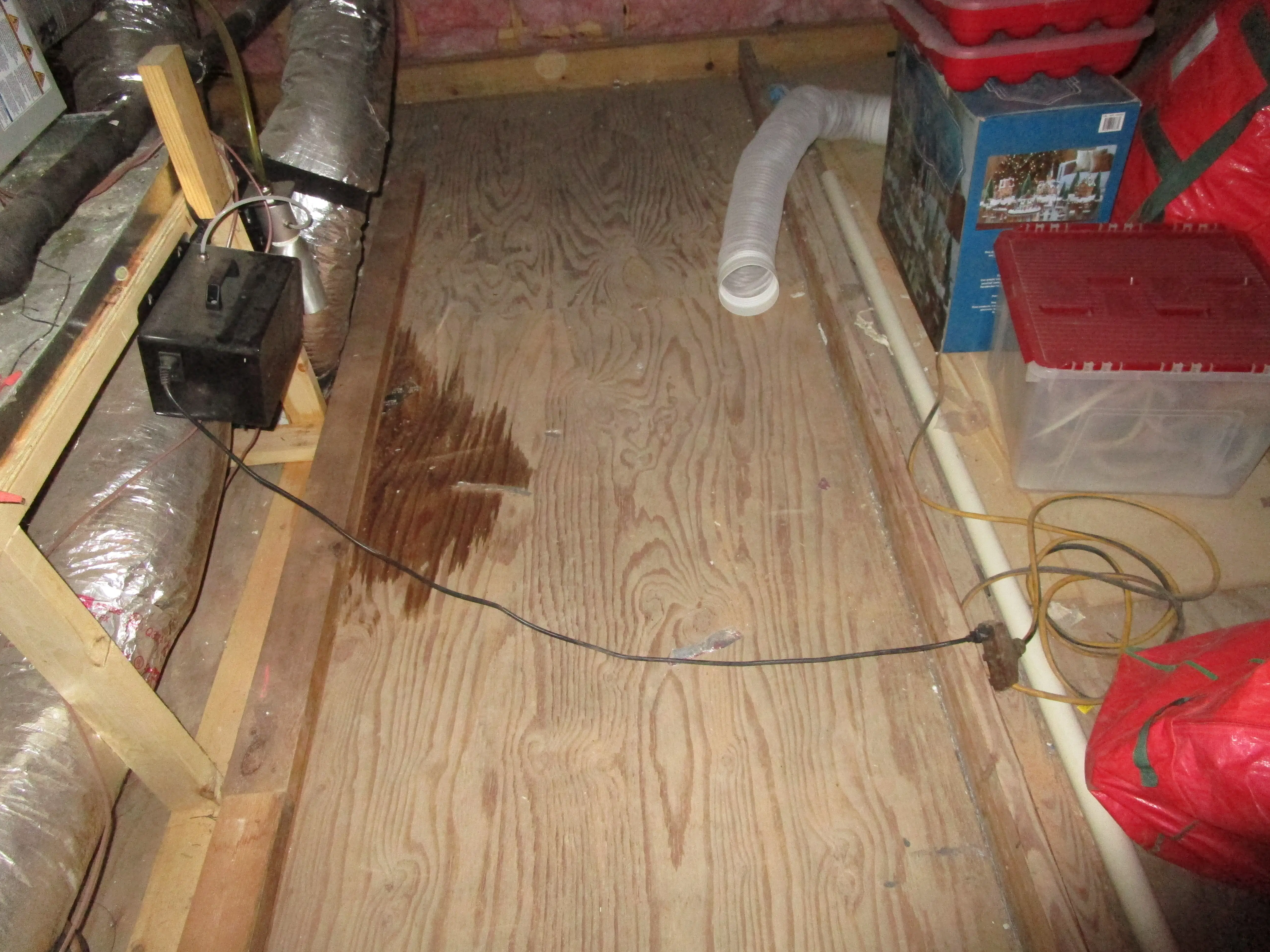
The attic is where some of the most expensive errors hide because homeowners rarely go up there. We check for:
- Missing Insulation: It’s common for insulation to be disturbed by cable installers or plumbers after the initial inspection, leaving "bald spots" that cause your energy bills to spike.
- Roofing Defects: We check for cracked shingles, improper flashing around chimneys, and vents that aren't properly sealed. Catching a small roof leak in month 11 prevents a massive mold problem in year three.
- Ductwork Integrity: If a duct has come loose, you are essentially paying to air condition your attic. We use thermal imaging to find these invisible money-wasters.
Plumbing and Moisture Issues
Water is the greatest enemy of your home. We often find:
- Slow Leaks: Small drips under sinks or behind toilets that haven't caused a visible flood yet but are rotting the cabinetry or subfloor.
- Improper Drainage: If the soil outside hasn't been graded correctly, water will pool against your foundation. Over time, this can lead to catastrophic foundation failure.
- Shower and Tub Grout: If the grout or caulk in your primary bath is failing, water can seep behind the tiles, leading to hidden mold growth.
The Financial Logic: Why This is an Investment, Not an Expense
When you look at the cost of a professional inspection, compare it to the cost of the systems being inspected.
- A new HVAC coil or compressor: $2,000–$4,000+
- Roof leak repairs and interior ceiling painting: $1,500+
- Foundation stabilization: $10,000–$20,000+
By spending a few hundred dollars on an 11-month warranty inspection, you are effectively buying an insurance policy against these costs. If we find even one significant ductwork issue or a roof flashing error, the inspection has already paid for itself. You can read more about the difference between warranties and guarantees to understand how these protections work.
The Veteran Home Inspections Difference
We understand that you have choices when it comes to home inspectors in the San Antonio area. However, not all inspections are created equal. At Veteran Home Inspections, we bring a level of discipline and technical expertise that is unmatched.
Certified Master Inspectors: We hold the highest designation in the industry. We know exactly where builders tend to cut corners and where common failures occur in Texas Hill Country homes.
Detailed Reports Within 24 Hours: We know you are on a deadline with your builder. Our reports are digital, easy to read, and delivered fast so you can get them into the builder’s hands immediately.
Professional Equipment: We use advanced tools, including thermal imaging cameras and moisture meters, to see what the naked eye cannot. This allows us to find "invisible" problems like missing insulation or hidden leaks behind walls.

Don't Wait Until Month 12
The most common mistake homeowners make is waiting until the last possible minute. If you contact your builder on day 364, you are giving them the upper hand. By scheduling your inspection during month 10 or 11, you have time to review our report, ask questions, and present a formal list of repairs to the builder with time to spare.
If you are currently living in a new build in San Antonio, Boerne, Bandera, or Kerrville, check your closing documents. If you are approaching that one-year mark, it’s time to act. Don't assume the house is perfect just because it's new. Even if we find only minor issues, the peace of mind knowing your home is structurally sound is worth the investment.
We are here to help you protect your investment. Let the inspectors at Veteran Home Inspections provide you with the professional documentation you need to ensure your home remains the sanctuary you bought it to be.
Ready to hold your builder accountable? Call Veteran Home Inspections today at 210-202-1974 to schedule your 11-Month Warranty Inspection. Let’s get it right before the clock runs out.


No comments:
Post a Comment