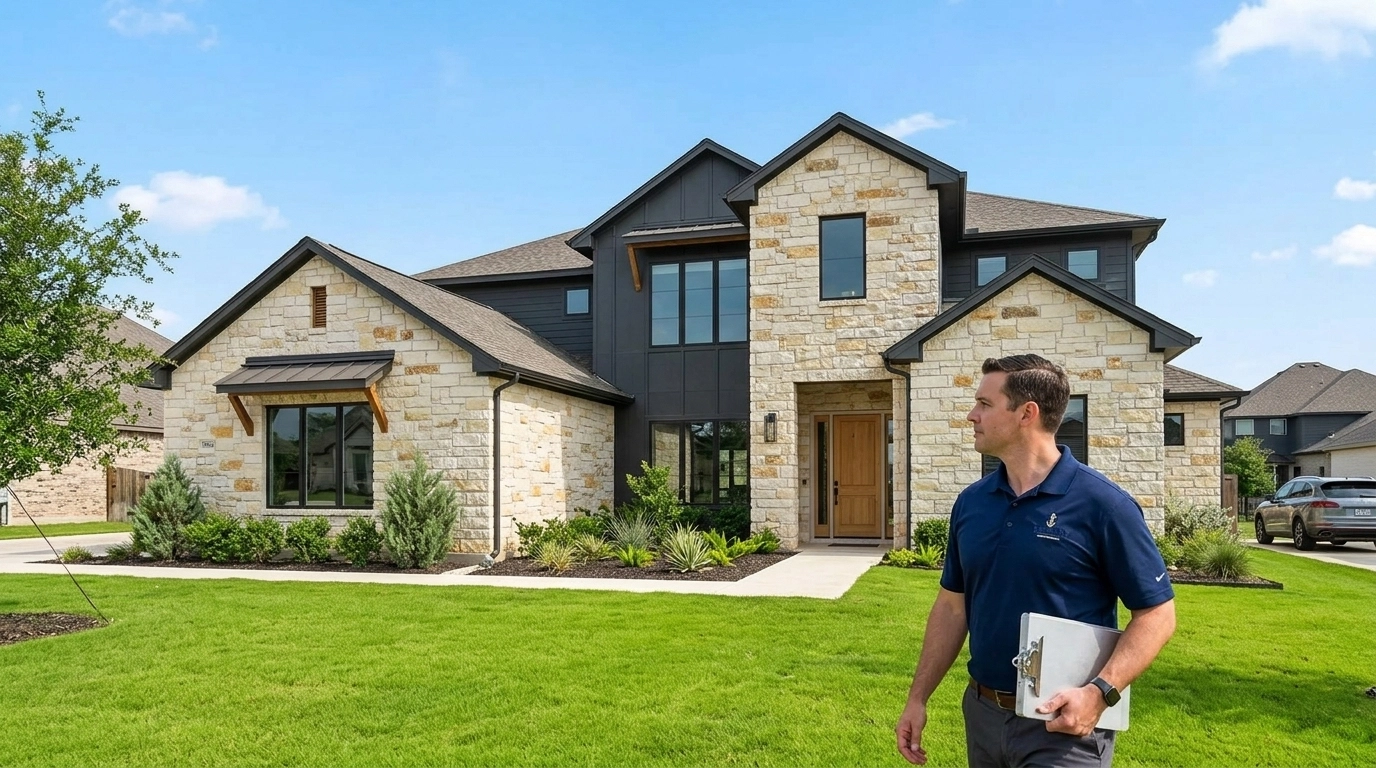
You just signed the papers on a brand-new build in San Antonio. The paint is fresh, the appliances are shining, and that "new home smell" is in the air. It’s natural to assume that because no one has ever lived there, everything must be perfect. You might even think, "Why would I pay for an inspection? The city building inspector already signed off on it."
This is a common, and potentially very expensive, misconception.
At Veteran Home Inspections, we’ve seen it all. From luxury builds in Boerne to modern townhomes in downtown San Antonio, "new" does not equate to "flawless." In fact, new construction often presents a unique set of challenges that can remain hidden for years until they become catastrophic repairs. Whether it’s the haste of high-demand building schedules or the specific geological quirks of the Texas Hill Country, your new investment needs a professional eye before you take the keys.
The San Antonio Soil Factor: Why Foundations Fail Early
One of the most critical reasons to get a new construction inspection in San Antonio is right beneath your feet. Our region is famous for its expansive clay soil. This type of earth acts like a sponge; it expands significantly when wet and shrinks when dry.
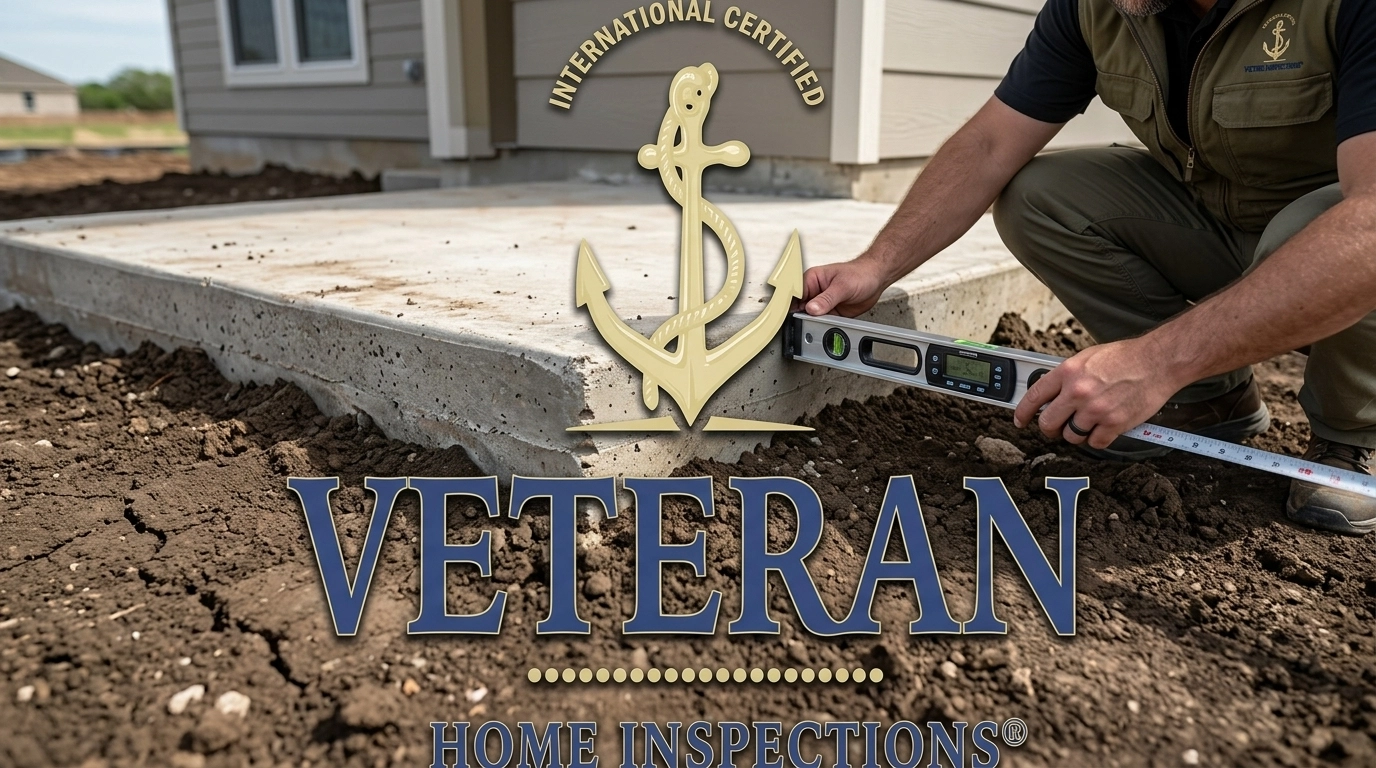
Even in a new build, if the foundation wasn't poured or cured correctly, or if the initial grading is off, you are looking at major structural issues within the first few years. An inspector looks for:
- Improper Grading and Drainage: If the yard isn't sloped away from the house correctly, water will pool at the foundation, leading to soil expansion that can crack your slab.
- Foundation Voids: Issues during the pour can leave gaps that weaken the structural integrity.
- Premature Cracking: While some settling is normal, specific types of cracks in a brand-new slab are red flags for future movement.
By identifying these issues during our standard home inspections, you can force the builder to correct the drainage or reinforce the area before it compromises your home’s value.
The "Pre-Drywall" Advantage: Seeing Behind the Mask
Most buyers wait until the home is finished to call us. While a final inspection is vital, the real "gold mine" for finding defects is the Phase Inspection, specifically the pre-drywall phase.
Once the drywall is up, the skeleton of your home is hidden. You can no longer see the electrical wiring, the plumbing runs, or the structural framing.
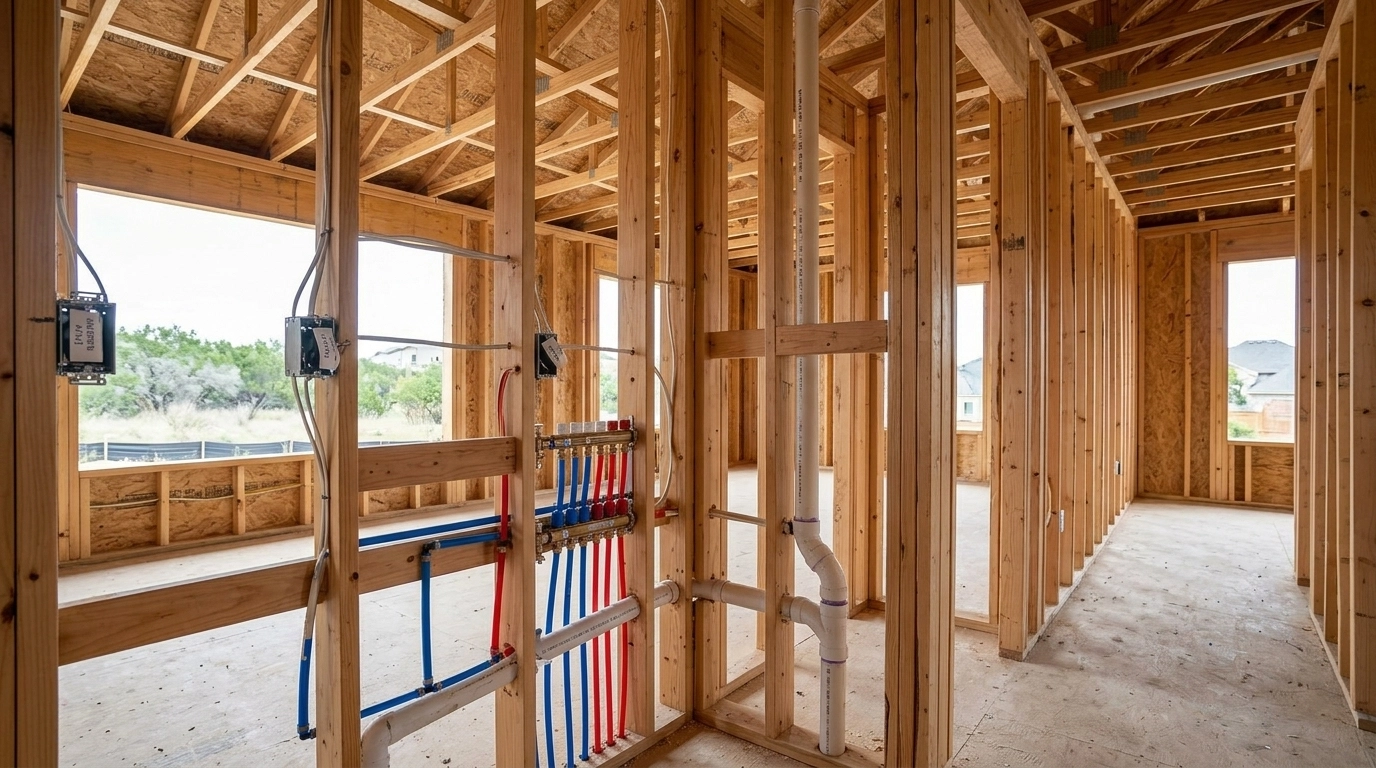
During a pre-drywall inspection, we examine:
- Framing Errors: We often find bowed studs, missing fire blocking, or un-braced roof trusses. These are things that cause sagging floors or wavy walls later on.
- Plumbing and Mechanical: Are the PEX pipes protected from nail punctures? Is the ductwork kinked, which will lead to "hot rooms" and high energy bills in the Texas summer?
- Electrical Routing: We ensure wires aren't pinched or improperly grounded. Catching a wiring error now costs the builder almost nothing to fix; catching it after the walls are painted requires removing drywall.
Investing in a phase inspection provides you with a documented roadmap of your home’s "bones," ensuring that what you’re buying is as solid as it looks on the surface.
High-Tech Protection: Thermal Imaging and Modern Detection
Standard visual inspections are the baseline, but to truly protect your investment, we utilize advanced technology. New homes are built to be incredibly airtight for energy efficiency. However, if a window wasn't flashed correctly or a seal is missing in the attic, that airtightness can actually trap moisture, leading to mold.
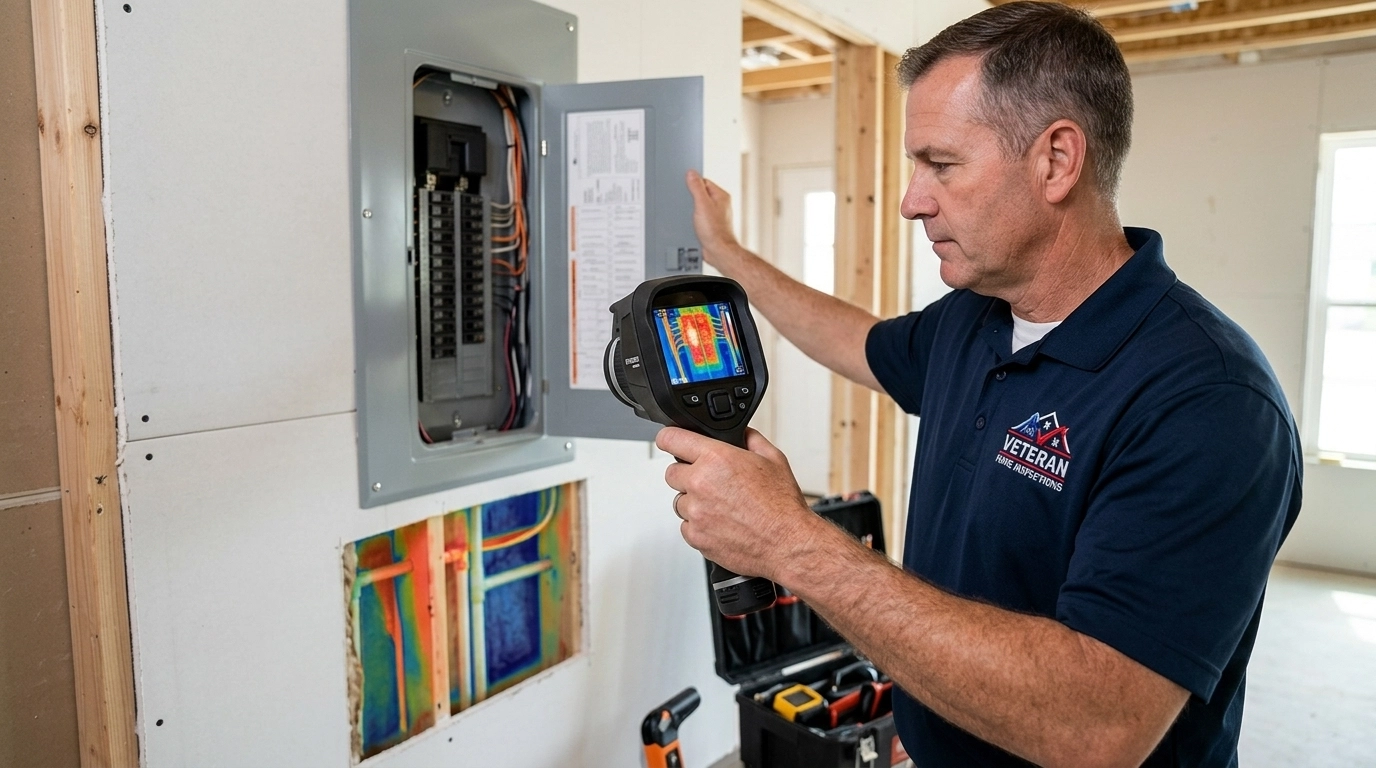
We use thermal imaging inspections to see what the naked eye cannot. This technology allows us to:
- Identify Insulation Gaps: If a contractor missed a section of insulation in your wall, you’ll feel it every July. Thermal imaging reveals these "cold spots" (or hot spots) instantly.
- Detect Moisture Intrusion: We can find leaks from brand-new windows or roof flashing before they ever cause a visible water stain.
- Spot Electrical Overheating: We check the breaker panel for "hot" circuits that indicate loose connections or overloaded breakers: major fire hazards that can exist even in a home that’s zero days old.
Common "New Build" Blunders We Find Daily
It’s easy to assume that because a house is built to "code," it’s built to a high standard. In reality, "code" is the bare minimum legal requirement. Our goal as Certified Master Inspectors is to hold builders to a higher standard of quality.
Here are the most frequent issues we find in "perfect" new San Antonio homes:
- Incomplete Roof Flashing: Builders often rush the roofing process. Missing flashing around chimneys or valleys is the #1 cause of leaks in homes under 5 years old.
- Reversed Polarity in Outlets: It sounds minor, but improperly wired outlets can damage your expensive electronics and pose a shock hazard.
- HVAC Sizing and Installation: We frequently find units that aren't installed correctly or ductwork that was never actually connected to the register, meaning you're cooling your attic instead of your bedroom.
- Missing Attic Insulation: You’d be surprised how often a crew simply forgets to blow in the final layer of insulation in a corner of the attic.
Why Your Builder Might Discourage an Inspection
Some builders may tell you that a private inspection is "unnecessary" or that they have their own internal quality control. While many builders have great intentions, they are often managing dozens of subcontractors at once. Mistakes happen.
By bringing in an independent, veteran-owned firm like Veteran Home Inspections, you gain an advocate whose only interest is your safety and financial well-being. We provide a detailed, easy-to-read report within 24 hours that you can hand directly to your builder’s site supervisor as a "punch list" for repairs. It is much easier to get these repairs done before you close and the builder moves on to the next project.
Your Final Checklist: The 11th Month Inspection
If you already moved into your new construction home and skipped the initial inspection, don't panic. You usually have a one-year builder's warranty.
We highly recommend a "Warranty Inspection" (or 11th Month Inspection) before that year is up. This is your last chance to have the builder cover the cost of repairs for things like:
- Foundation settling cracks.
- Nail pops in the drywall.
- Truss uplift in the attic.
- Developing leaks in the septic system or plumbing.
Professional Guidance You Can Trust
Buying a home is likely the largest investment you will ever make. Don't let the "newness" blind you to potential risks. Whether you are in the middle of a build or are about to close, getting a professional evaluation is the only way to ensure your San Antonio home is a sanctuary, not a money pit.
Ready to ensure your new home is actually built to last? Request an inspection today and let a veteran-owned, master-certified team give you the peace of mind you deserve. If you have more questions about what we look for, check out our FAQ page for more insights.
Veteran Home Inspections: Professional, detailed, and dedicated to protecting your Texas home.

No comments:
Post a Comment