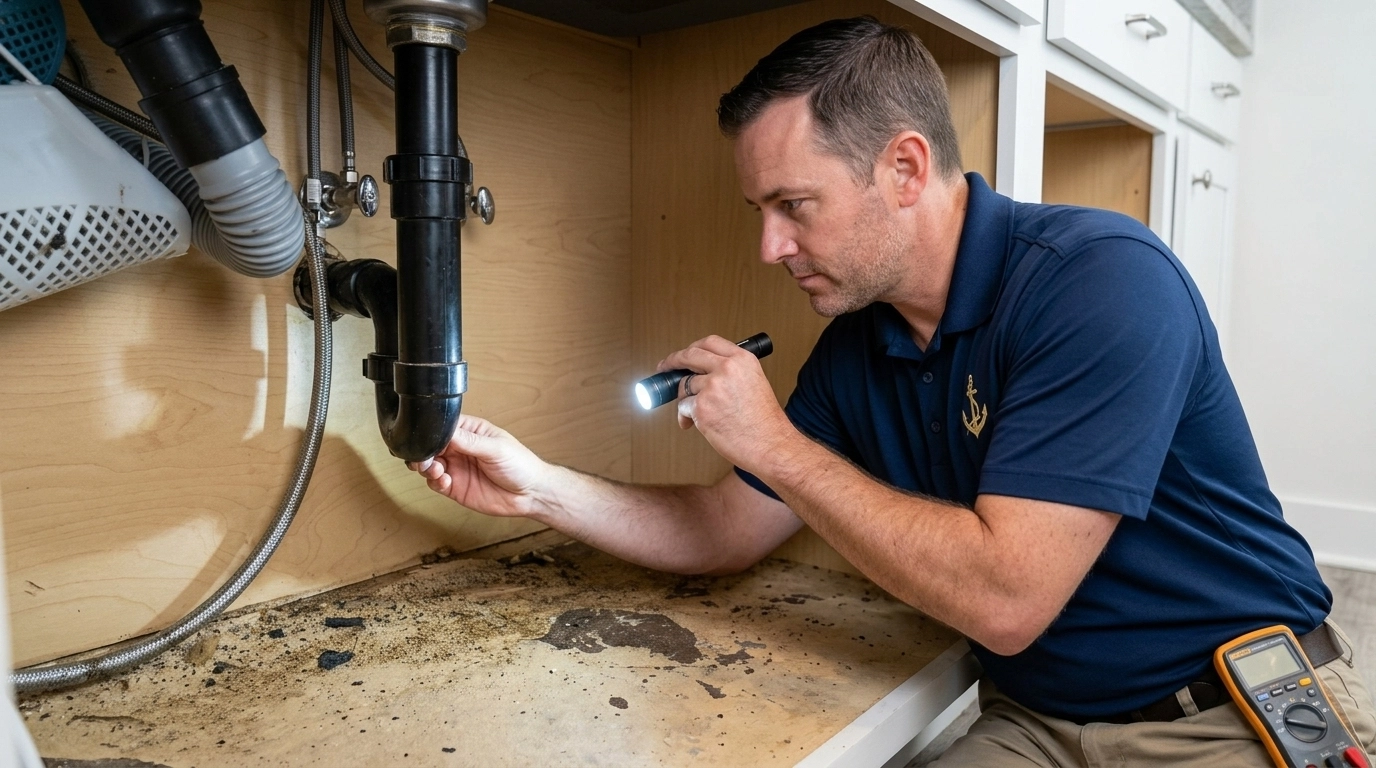
In the world of home maintenance, homeowners often prioritize visible repairs: a cracked window, a peeling coat of paint, or a flickering light. However, the most significant threats to a property's structural integrity and its occupants' health are frequently the ones that remain hidden from daily view. At Veteran Home Inspections, we have observed that the most devastating mold issues don't start with a flood; they start with a drip.
Whether you are a first-time buyer or a seasoned property investor, understanding the critical nature of a comprehensive mold inspection in San Antonio is essential. Because of our local climate, areas like sinks and attics serve as "ground zero" for microbial growth. Ignoring these spaces can lead to a chain reaction of damage that is both expensive to remediate and hazardous to your health.
The Hidden Danger Under Your Sink
The area beneath a kitchen or bathroom sink is a complex intersection of plumbing fixtures, supply lines, and drainage pipes. It is also one of the most neglected areas in a home. Many homeowners use this space for storage, stacking cleaning supplies and trash bins that effectively obscure the view of the back walls and baseboards.
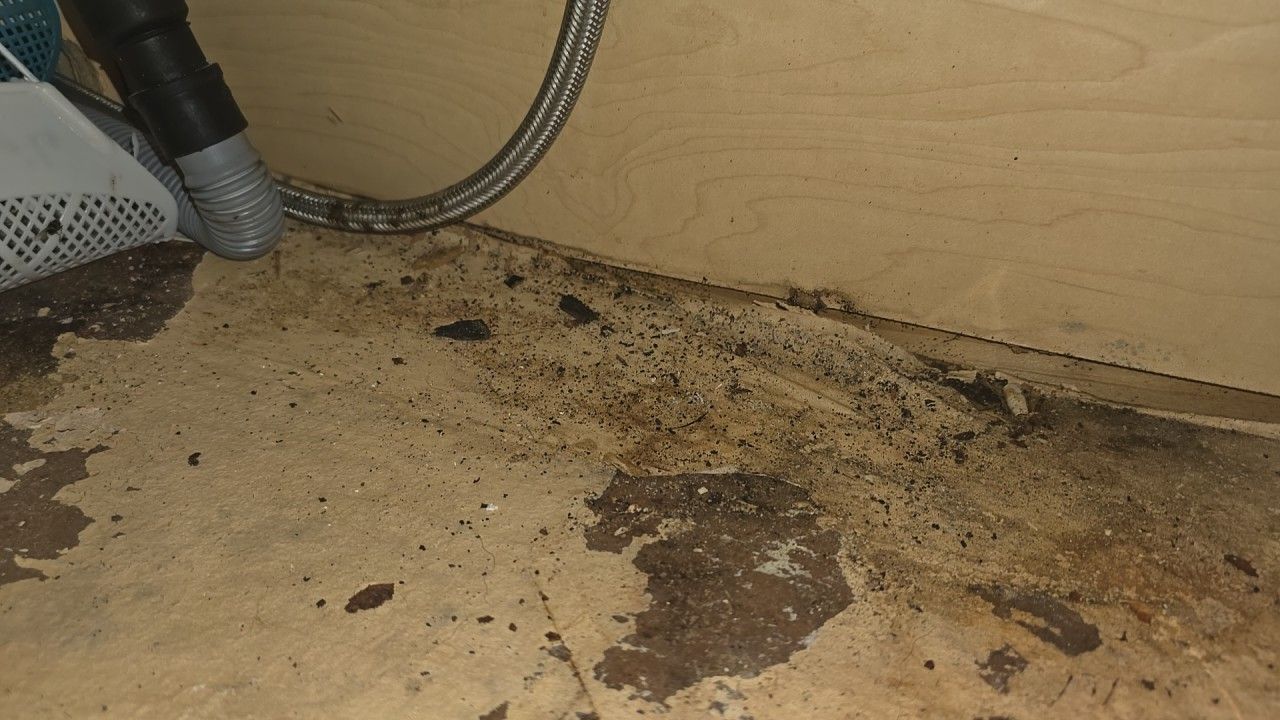
As shown in the image above, even a minor leak from a P-trap or a loose supply valve can saturate the base cabinet and the drywall behind it. Because these cabinets are often made of particle board or plywood: materials that are highly porous: they act as a sponge. Once moisture is introduced to these organic materials in a dark, poorly ventilated space, mold can begin to colonize in as little as 24 to 48 hours.
When we perform a standard home inspection, we don't just look for active leaks; we look for the "ghosts" of moisture. Discoloration, warped wood, and the presence of debris are indicators that the area has been compromised. If these signs are ignored, the mold will eventually penetrate the wall cavity, leading to extensive structural damage that requires professional remediation rather than a simple plumbing fix.
The Attic: A Breeding Ground for Hidden Moisture
If the area under your sink is the most neglected spot inside your home, the attic is arguably the most neglected area of the entire property. In the San Antonio heat, attics can reach extreme temperatures. When you combine this heat with the high humidity levels common in the Texas Hill Country, you create a laboratory environment for mold.
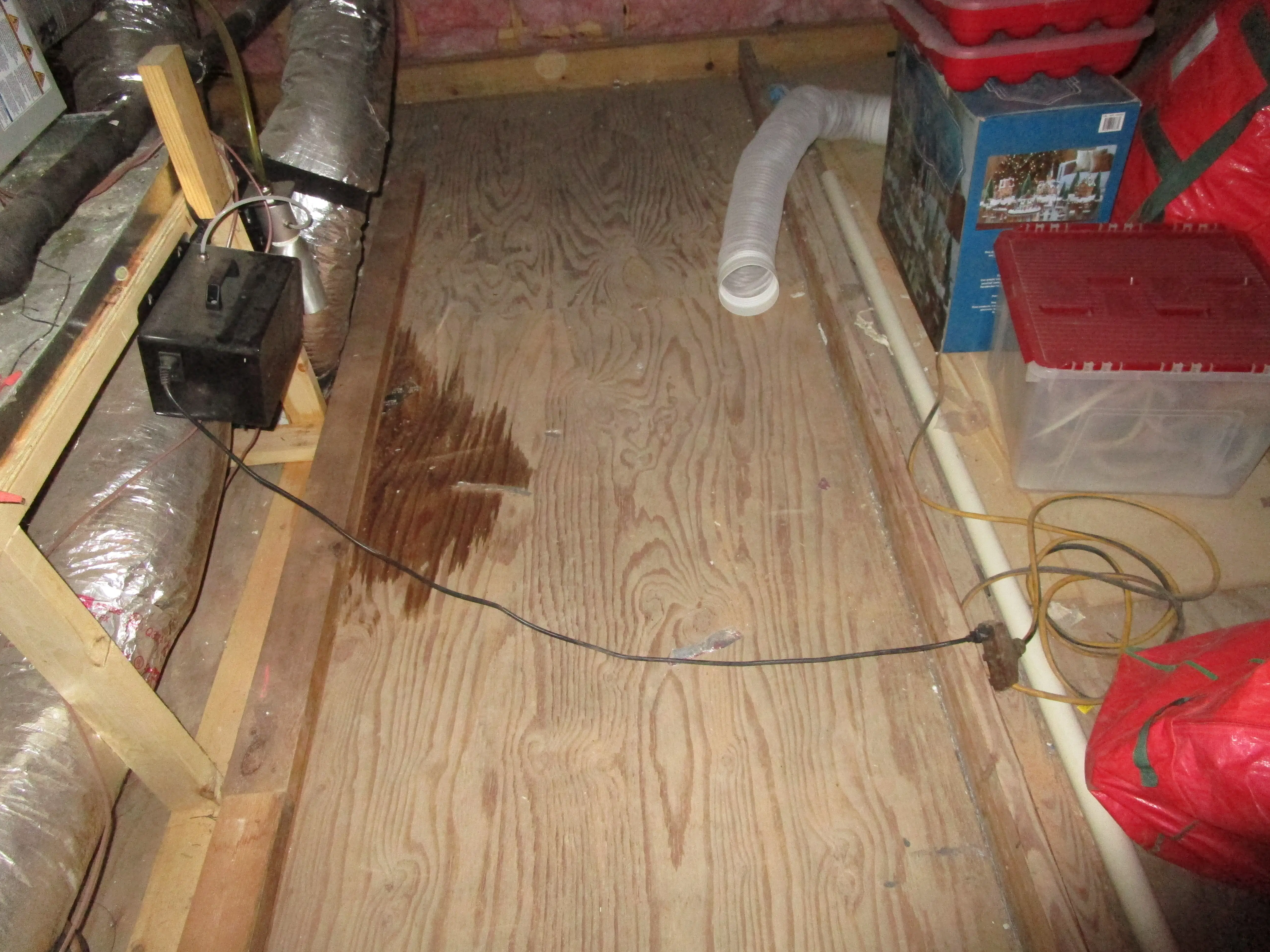
Water intrusion in the attic typically stems from two main sources:
- HVAC Condensation: Your air conditioning system works overtime in the San Antonio summer. If the condensate drain line becomes clogged or the primary drain pan develops a leak, water will quickly saturate the attic floor.
- Roof Penetrations: Small leaks around chimney flashings, vent pipes, or skylights often go unnoticed because the insulation absorbs the initial moisture.
The photograph above illustrates water staining on the plywood subfloor near an HVAC unit. This is a classic example of what our inspectors look for. Left unchecked, this moisture will rot the structural decking and provide the perfect environment for mold to thrive. Because air is constantly circulated through your home’s ductwork: which is often located in the attic: mold spores from this area can easily be distributed throughout your living spaces, compromising your indoor air quality.
The Progression of Neglect: From Drip to Disaster
Many homeowners ask us why we place such a high emphasis on "minor" moisture issues. The answer lies in the progression of the damage. A small leak is a localized problem; mold growth is a systemic one.
When moisture is allowed to sit, it doesn't just affect the surface. It migrates through gravity and capillary action into the framing of your home. By the time you see mold on the outside of a wall, the interior of that wall is likely already heavily colonized.
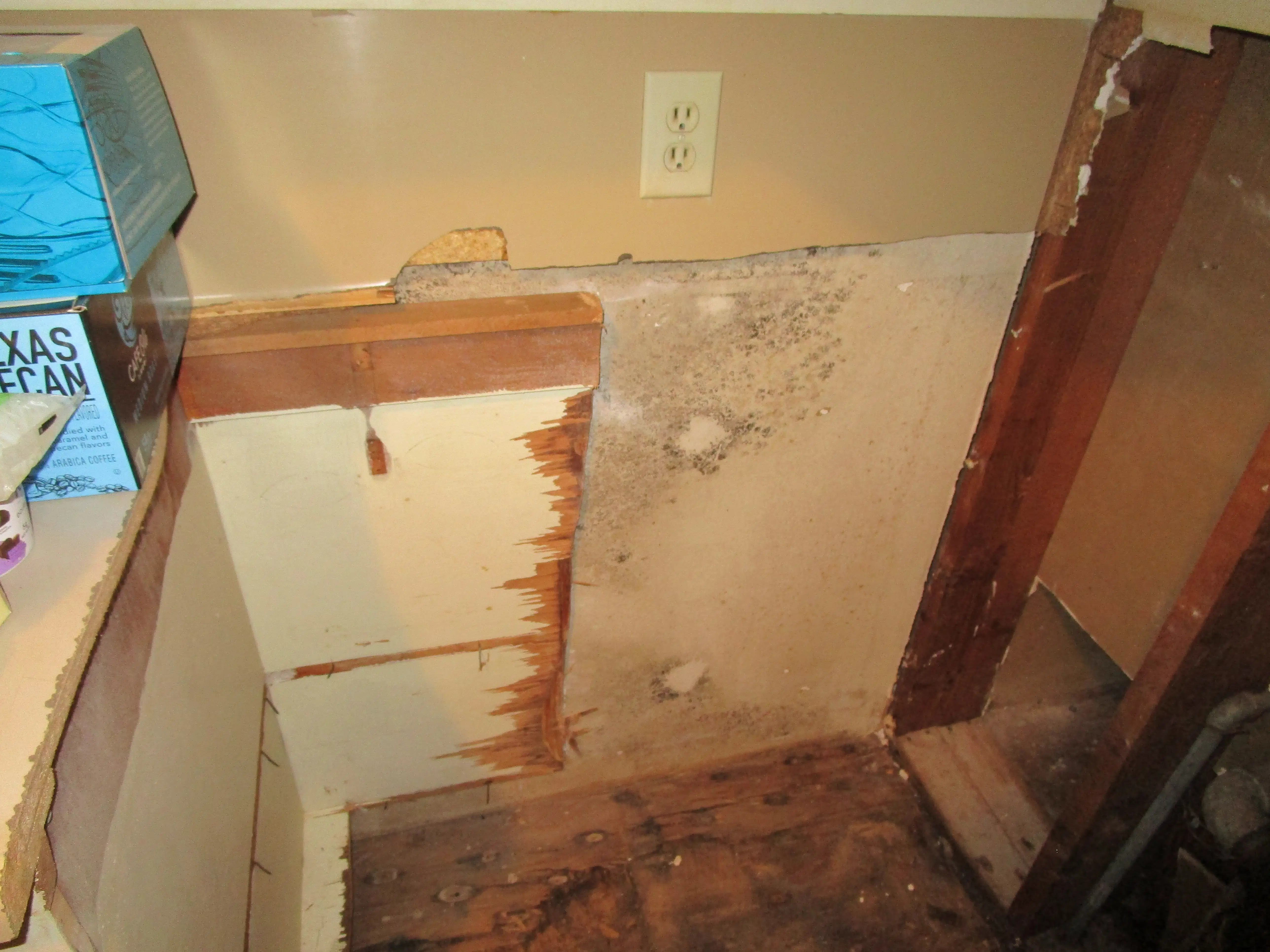
In the image above, you can see the result of long-term moisture intrusion. The paneling has deteriorated, and the microbial growth is extensive. This level of damage often requires the complete removal of drywall, flooring, and even structural studs. This is why we advocate for thermal imaging inspections. At Veteran Home Inspections, we use advanced technology to "see" behind walls, identifying temperature differentials that indicate moisture before it becomes visible to the naked eye.
Why San Antonio Homeowners Must Be Vigilant
The San Antonio environment presents unique challenges for property owners. Our region experiences significant humidity, which prevents moisture from evaporating quickly. When water leaks into an enclosed space: like a cabinet or an attic: it stays there.
Furthermore, many older homes in areas like Boerne and San Antonio were built with materials that are particularly susceptible to water damage. Our background in construction management allows us to understand exactly how these materials behave when exposed to moisture, giving you a deeper insight into the potential repairs and renovations needed.
Professional Advice for Property Optimization
To protect your investment and ensure the safety of your family, we recommend the following proactive steps:
- Monthly Sink Checks: Clear out the cabinets under your sinks once a month. Inspect the pipes and the floor of the cabinet for any dampness or staining.
- Annual Attic Inspections: Even if you don't use your attic for storage, peek inside at least once a year: ideally after a heavy rain: to check for roof leaks or HVAC issues.
- Maintain Proper Ventilation: Ensure your bathroom exhaust fans and attic soffit vents are clear of obstructions to prevent moisture buildup.
- Invest in a Professional Inspection: Before you buy, sell, or even renovate, have a Certified Master Inspector evaluate the property.
Trust the Experts at Veteran Home Inspections
Mold is not an issue that resolves itself; it only expands. Whether you are dealing with a musty smell in the kitchen or suspect a roof leak in the attic, prompt action is your best defense against structural loss and health risks.
At Veteran Home Inspections, we pride ourselves on being a veteran-owned business that brings military-grade precision to every property we evaluate. We provide detailed reports within 24 hours, giving you the clarity you need to make informed decisions about your property.
Don't wait for a small drip to turn into a major liability. Ensure your property is safe, healthy, and structurally sound.
Contact Veteran Home Inspections today to schedule your comprehensive mold inspection in San Antonio and the surrounding Hill Country area.

No comments:
Post a Comment