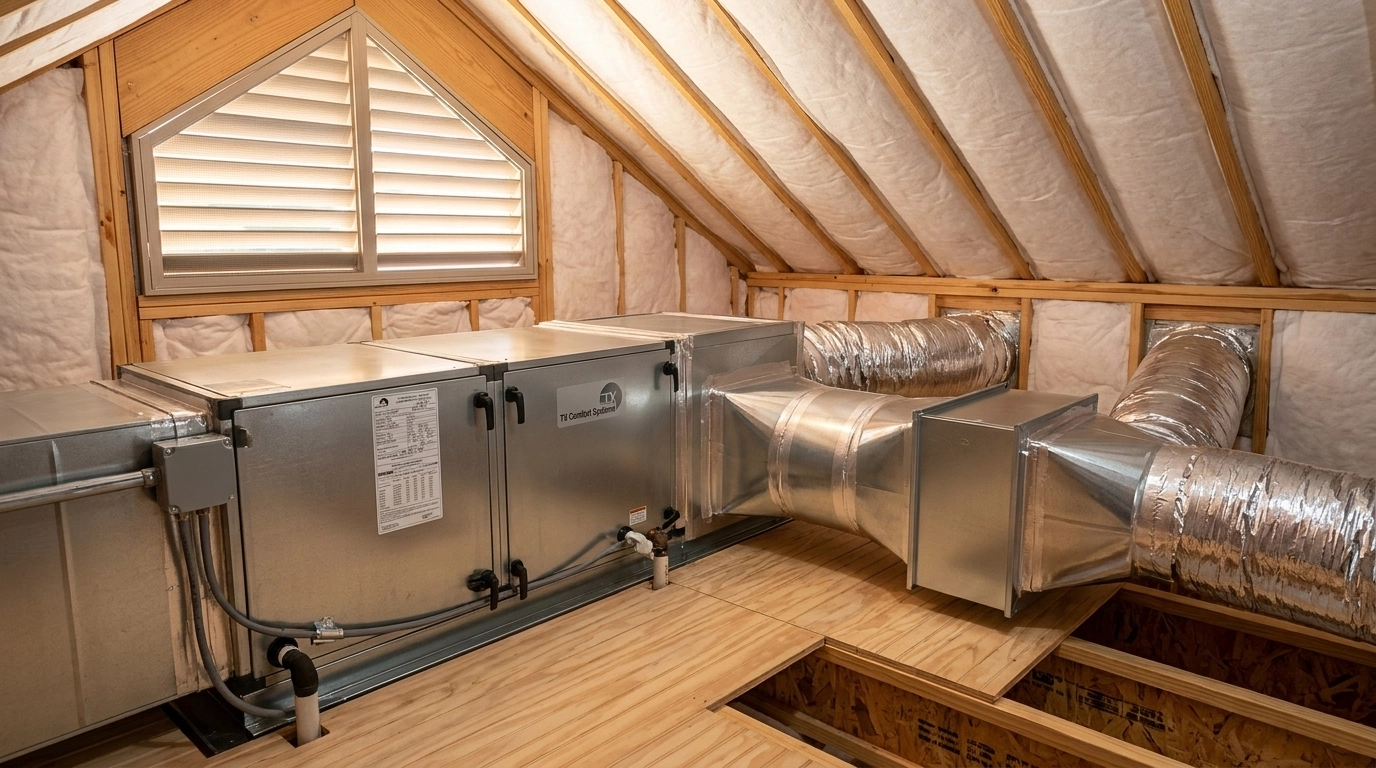
In the sweltering humidity of San Antonio and the surrounding Texas Hill Country, your HVAC system is more than just a luxury: it is the lifeline of your home. It regulates temperature, manages humidity, and filters the air your family breathes every minute of the day. However, because these systems are designed to move large volumes of air and manage significant moisture, they can inadvertently become a breeding ground for mold if not properly monitored.
At Veteran Home Inspections, we frequently encounter homeowners who are unaware that their indoor air quality is being compromised. Mold often hides in plain sight, tucked away inside ductwork or lurking in the dark corners of an HVAC closet. Understanding the signs of contamination and the importance of a professional mold inspection in San Antonio is the first step in ensuring a healthy living environment.
Why Your HVAC System is a Mold Magnet
To understand why mold thrives in HVAC systems, we must look at the basic requirements for fungal growth: moisture, warmth, and organic material. San Antonio’s climate provides the warmth and humidity in abundance. When your air conditioner runs, it pulls moisture from the air, which collects on evaporator coils and drains into a pan.
If this moisture does not drain properly: due to a clogged line or a tilted pan: it creates a stagnant pool of water. Combined with the dust (organic material) that naturally accumulates in vents and ducts, you have a perfect ecosystem for mold spores to colonize. Once mold begins to grow inside the system, every time the fan kicks on, it has the potential to distribute spores throughout your entire home.
Visible Warning Signs Around Your Vents
One of the most common places we identify mold during our inspections is directly on or around the supply vents. Because the air exiting these vents is significantly cooler than the surrounding room air, condensation can form on the metal or plastic surfaces of the vent covers.
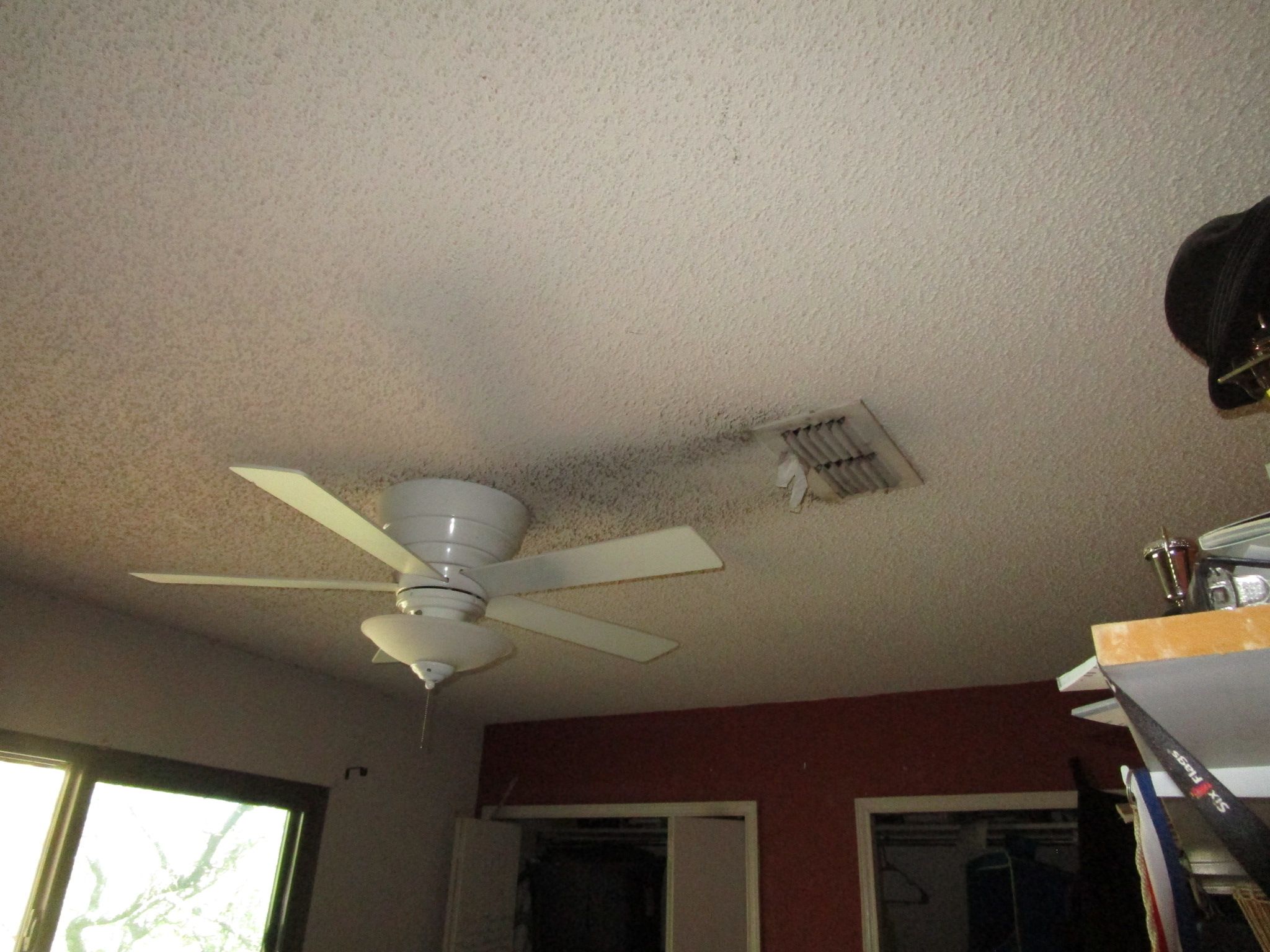
As seen in the image above, mold often manifests as dark, splotchy staining on the ceiling or the vent itself. This is frequently dismissed by homeowners as "just dust" or "dirt from the attic." However, if the discoloration appears fuzzy, slimy, or has a distinct circular pattern, it is almost always mold growth.
When you see mold at the vent, it is rarely an isolated issue. It is often a "red flag" indicating that the internal components of the system are likely contaminated as well. Ignoring these spots allows the mold to further penetrate your drywall and insulation, leading to more expensive remediation costs down the road.
The Hidden Dangers in the HVAC Closet
While vents provide a visible cue, the real source of the problem is often hidden in the mechanical closet. Most San Antonio homes feature an indoor air handler located in a dedicated closet or utility room. These spaces are frequently neglected, becoming dark, humid environments where mold can flourish undetected for months.
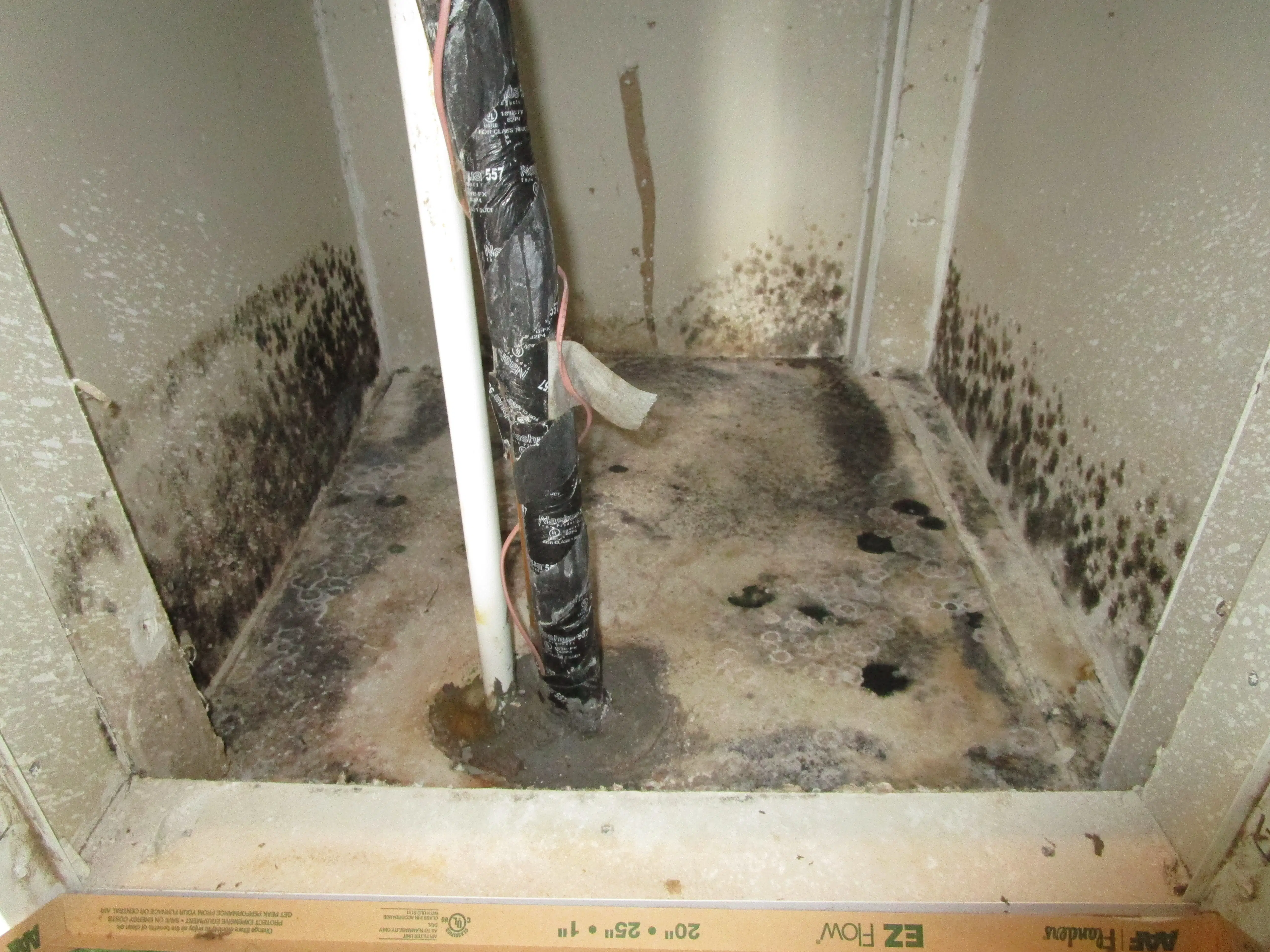
The image above illustrates a severe case of contamination within an HVAC closet. Leaky condensate lines or poor insulation on the refrigerant pipes can lead to significant water accumulation on the floor and walls. Because these areas are often cramped and poorly lit, the mold can spread across the entire structure of the closet before it is ever noticed by the homeowner.
At Veteran Home Inspections, we don't just look at the surfaces; we evaluate the entire environment. We check for proper drainage, look for signs of standing water, and assess whether the closet itself is properly sealed from the rest of the living space to prevent the spread of spores.
How Mold Impacts Your Health and Home
Breathing in mold spores is not just an aesthetic issue; it is a significant health concern. Many residents in the San Antonio area suffer from "seasonal allergies," only to find out that their symptoms persist year-round. This is often due to poor indoor air quality caused by HVAC contamination.
The health risks associated with breathing moldy air include:
- Respiratory Irritation: Chronic coughing, wheezing, and shortness of breath.
- Allergic Reactions: Sneezing, runny nose, and red, itchy eyes.
- Asthma Triggers: Mold can cause frequent and more severe attacks in individuals with asthma.
- Long-term Effects: Prolonged exposure can lead to more serious respiratory infections and fatigue.
Beyond the health implications, mold can compromise the structural integrity of your home. It feeds on organic materials like the paper backing of drywall and the wood framing of your HVAC closet. If left unchecked, the damage can require professional remediation and extensive reconstruction.
The Role of Professional Mold Inspection in San Antonio
Detecting mold requires more than just a flashlight and a quick glance. At Veteran Home Inspections, we utilize advanced technology to find what the naked eye might miss. A professional mold inspection in San Antonio involves a comprehensive evaluation of your home’s moisture levels and air quality.

One of the most effective tools in our arsenal is thermal imaging. Thermal cameras allow us to detect temperature differentials that indicate hidden moisture behind walls or inside ceilings. Since mold needs moisture to grow, finding these "cold spots" helps us pinpoint exactly where a leak or condensation issue is occurring, even if the surface looks dry.
When you hire the inspectors at Veteran Home Inspections, we provide a detailed report within 24 hours. We combine our construction management background with our Certified Master Inspector credentials to offer insights that go beyond a simple checklist. We explain why the mold is growing and what steps are necessary to stop the source of moisture.
The Source: Attic and Mechanical Areas
In many San Antonio homes, the bulk of the HVAC ductwork is located in the attic. This is a harsh environment where temperatures can soar, and any breach in the duct insulation can lead to massive condensation.
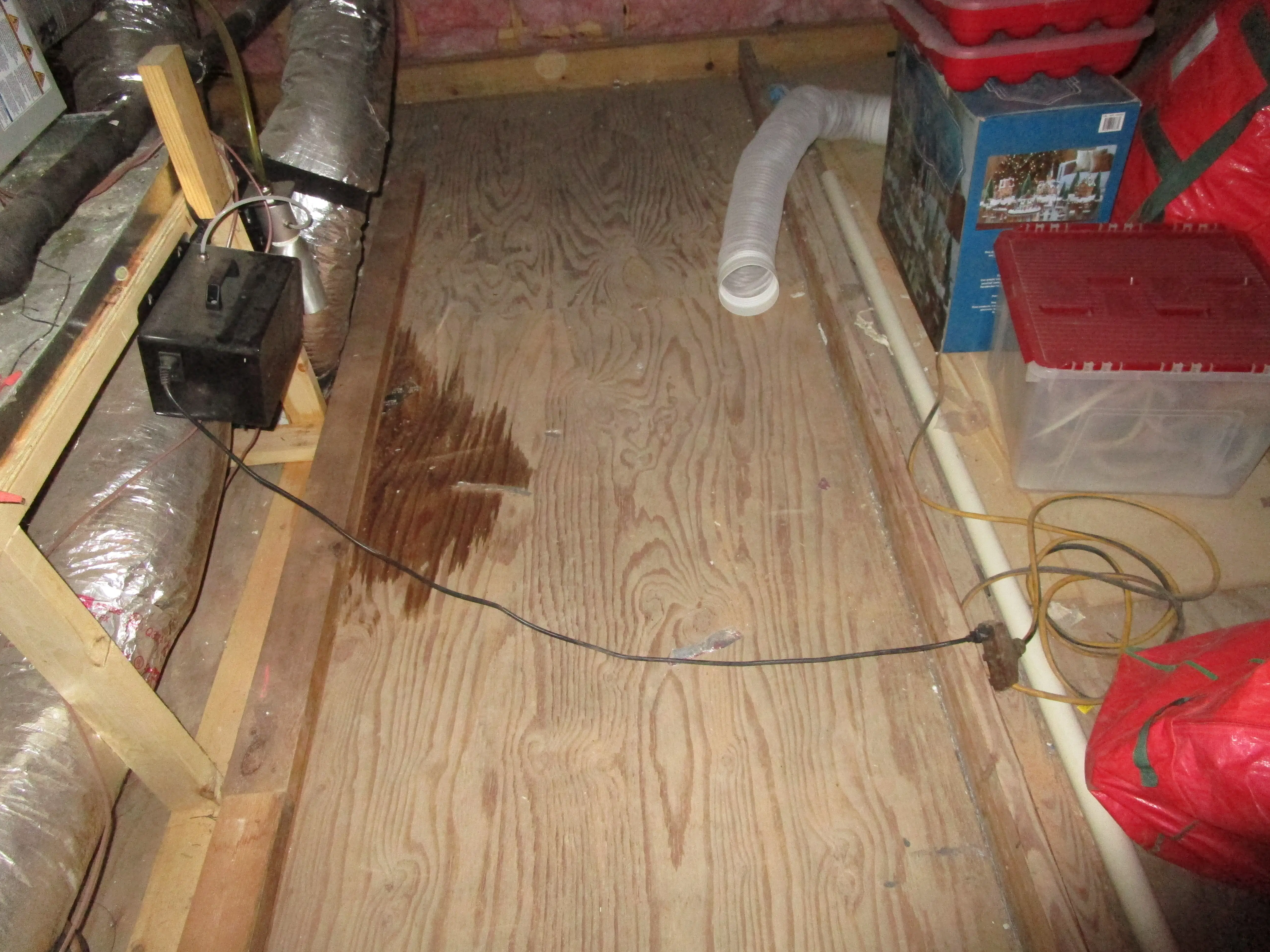
Water staining on the attic floor, as shown above, is a clear indicator that the system is failing to manage moisture. Whether it’s a backed-up primary drain line or a secondary pan that isn't draining, these issues must be addressed immediately. A mold inspection that ignores the attic is incomplete. We make it a point to traverse these difficult spaces to ensure every component of your air delivery system is sound.
Actionable Prevention Steps for Homeowners
While professional inspections are vital, there are several steps you can take to maintain your system and prevent mold growth:
- Regular Filter Changes: Use high-quality HEPA or high-MERV filters and change them every 30 to 90 days. This reduces the "food source" (dust) for mold.
- Clear the Condensate Line: Periodically check the PVC drain line outside your home to ensure water is flowing freely. If it’s dry while the A/C is running, you likely have a clog.
- Monitor Humidity: Keep your home's indoor humidity levels between 30% and 50%. Use a dehumidifier if your HVAC system struggle to keep up during our humid Texas summers.
- Seal the Closet: Ensure your HVAC closet door has a good seal and that the space is kept clean and free of stored items that could restrict airflow.
- Schedule Annual Maintenance: Have a licensed HVAC technician service your system twice a year to clean the coils and check for mechanical issues.
Secure Your Peace of Mind
Your home should be a sanctuary, not a source of illness. If you have noticed musty odors, visible staining around your vents, or if you simply haven't had your air quality checked in years, it is time to act.
The team at Veteran Home Inspections is dedicated to providing the clarity and detail you need to protect your investment and your health. As a veteran-owned business, we bring a high level of discipline and attention to detail to every service we provide, from standard home inspections to specialized mold and water quality testing.
Don't wait for a small spot on the ceiling to become a major health hazard. Contact us today to schedule your comprehensive mold inspection in San Antonio.
Request Your Inspection Online or call us to discuss your specific concerns. Let us help you breathe easier.

No comments:
Post a Comment