You set a petri dish out, leave it open, then mail it to a lab. A few days later, the report arrives with names of mold and perhaps a concerning result. But what does that result actually tell you about your home?
Usually, much less than you need to make a good decision.
A petri-dish kit can show that some airborne particles landed on the plate and that organisms able to grow under the kit’s conditions developed. It cannot, by itself, establish whether your home has a mold problem, where moisture is entering, or what needs to be repaired. A professional assessment starts with the building, not just a dish.
What a Petri-Dish Mold Kit Measures
These kits are commonly called settling plates. You expose a dish containing growth medium to room air for a set period. Some airborne particles settle onto the medium; if viable mold spores land there and the conditions support growth, colonies may form. The dish may then be sent to a lab for analysis.
That process has a basic limitation: the plate only collects what happens to settle onto it. It does not pull a measured volume of air through a sampling device. Results can vary with the plate’s location, exposure time, air movement, and activity in the room. A dish near a draft or a busy walkway may collect a different sample than one tucked onto a shelf.
The lab may accurately analyze the material it receives. But accurate analysis of an unrepresentative sample still does not provide a dependable picture of the whole home.
Why a Positive Result Can Be Misleading
Mold spores are part of the natural environment. Outdoor air can carry them indoors, and spores may settle on surfaces even when there is no active growth inside the house. A settling plate can grow organisms that land on it without distinguishing, on its own, between ordinary background material and a building-related moisture problem.
A “positive” result therefore doesn’t prove that mold is growing in your home, identify a health risk, or show that remediation is needed. The result must be interpreted alongside evidence about the building, moisture, sampling conditions, and the specific question being investigated.
It also matters that a culture-based plate grows organisms that can grow under the conditions used. Some spores may not grow on that medium, and some may not be viable. A plate with little or no visible growth is not proof that mold is absent.
Most importantly, neither a positive nor a negative dish tells you where to look. Hidden growth behind drywall, under flooring, or around a leak may not release particles that happen to land on the plate during the test.
The Questions a Dish Cannot Answer
A petri-dish result cannot inspect your property or explain what is causing a suspected problem. By itself, it cannot tell you:
- Whether a visible stain is mold, another type of discoloration, or residue from a past leak.
- Whether there is concealed moisture behind a wall or beneath a floor.
- Whether a plumbing leak, roof leak, condensation, or drainage issue is contributing to damp materials.
- How extensive the affected area is or what repairs may be appropriate.
- Whether a particular spore count indicates a health risk.
There is no universal federal indoor mold-spore limit that turns a test result into a simple “safe” or “unsafe” verdict. The EPA explains that it has not established standards for airborne mold concentrations. It also notes that sampling is often unnecessary when visible mold is already present and recommends that sampling protocols and results be handled by professionals with relevant experience.
That is why a lab report listing organisms is not the same as a mold assessment. Identification without building context can create alarm without providing a plan.
What a Professional Mold Assessment Adds
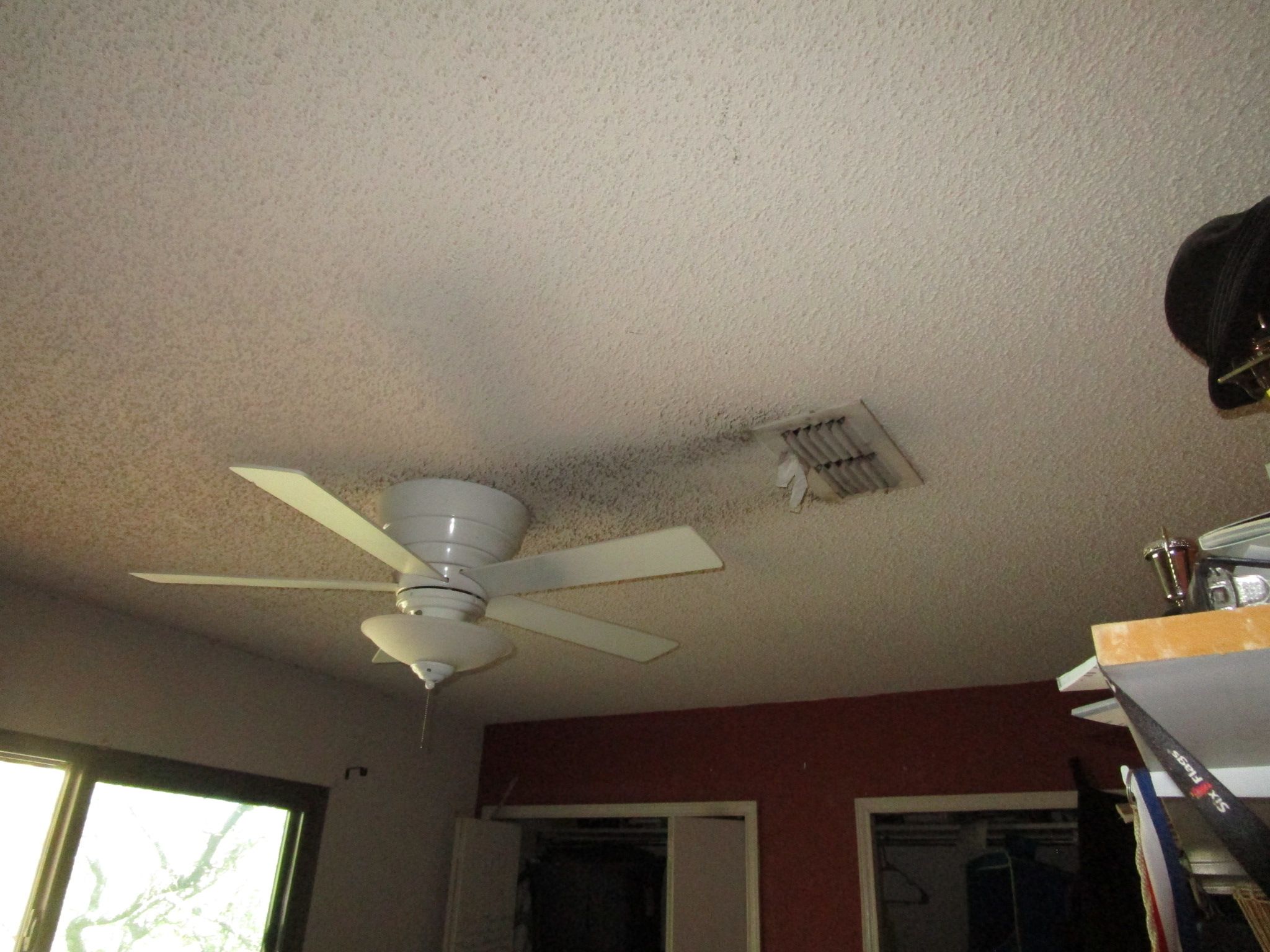
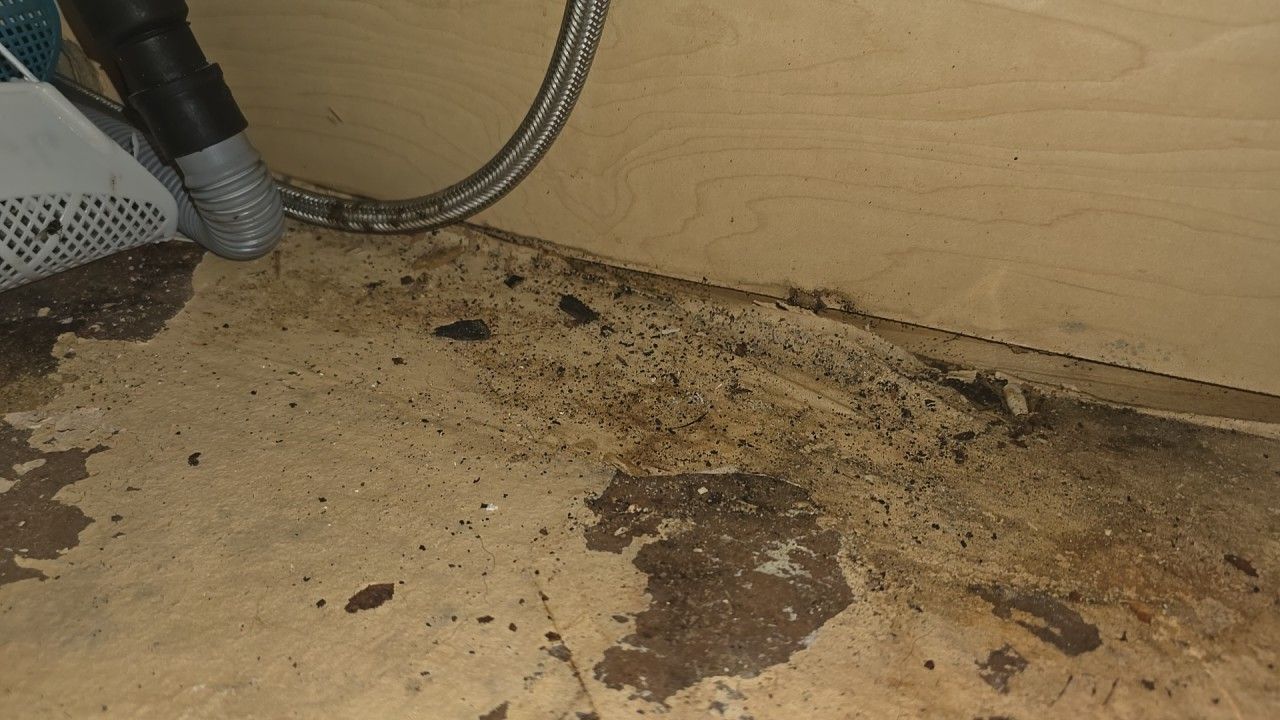
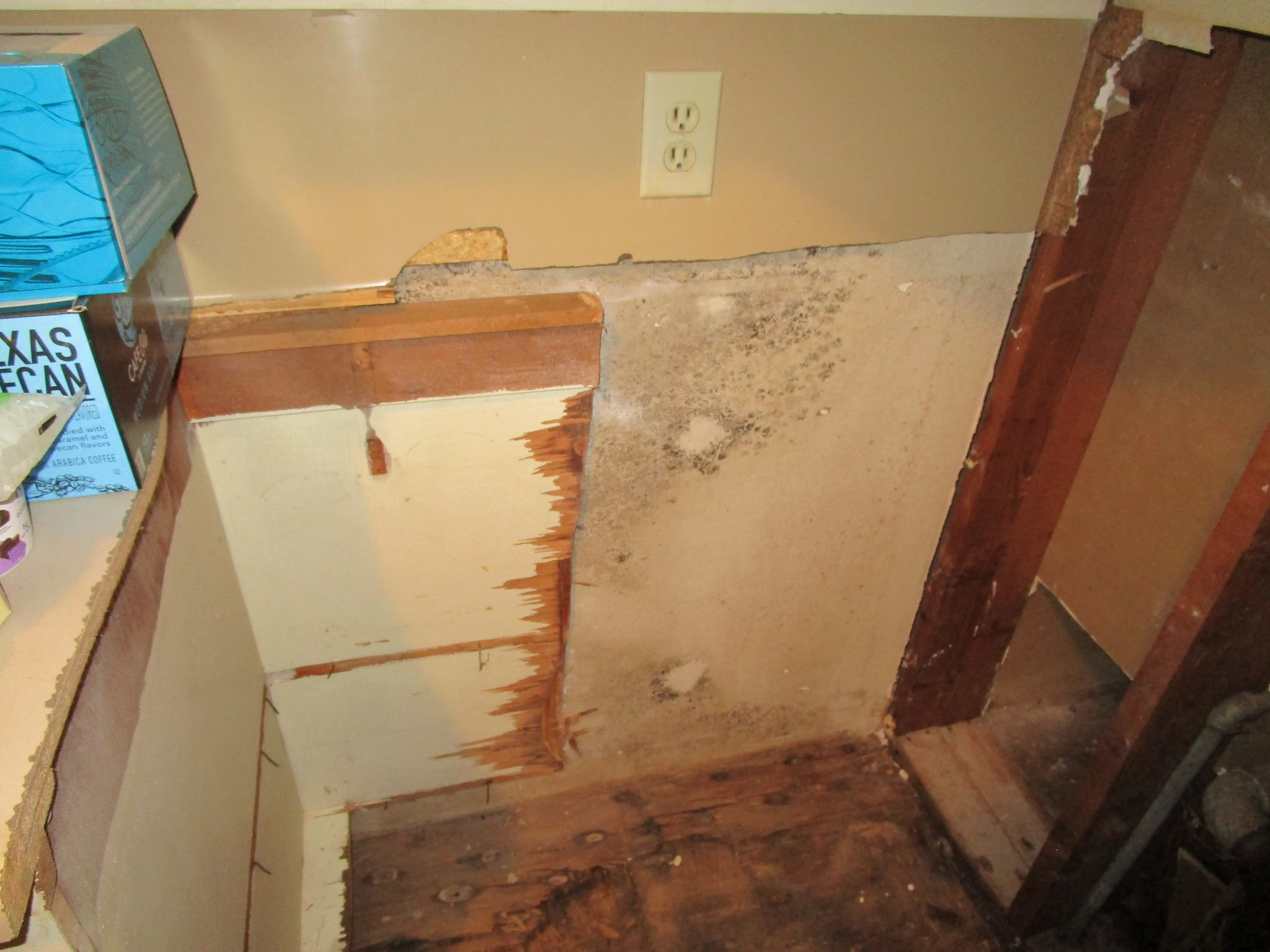
A professional mold assessment looks at the conditions that can allow mold to grow. At Veteran Home Inspections, the process begins with a visual evaluation of the property and areas of concern. The inspector looks for visible growth, water staining, musty odors, and signs of current or past moisture intrusion. Just as importantly, the inspector considers where moisture might be coming from.
Moisture meters can help evaluate building materials. Thermal imaging may help identify temperature patterns that warrant further investigation, but it does not detect mold directly. Any concerning pattern needs to be interpreted in context and, when appropriate, checked with other methods. These tools help guide the investigation; they are not magic mold detectors.
Sampling can add useful information when there is a clear reason to collect it. For example, air sampling may be considered when the source is not visible or when a professional needs to investigate a particular concern. A calibrated air-sampling pump draws a known volume of air onto a collection device. Depending on the method, a laboratory can analyze the sample for mold-related particles or growth.
When appropriate, indoor results may be compared with an outdoor sample collected under similar conditions. That outdoor sample provides context because outdoor fungi are a normal source of indoor spores. It is not a universal pass-or-fail benchmark: results vary with weather, season, ventilation, and sampling conditions. The point is to interpret findings alongside the building inspection, not to let a number make the decision by itself.
Surface sampling may also be appropriate when the inspector needs to investigate material at a particular location. The right sampling method depends on the question being asked. More samples do not automatically mean better answers.
What You Should Expect from the Report
A useful assessment report should connect observations to next steps. Depending on the inspection and testing performed, it should explain:
- What was observed: visible conditions, moisture concerns, and areas inspected.
- Where the concern is located: so you can understand the scope and discuss the issue with a qualified remediation contractor.
- What testing found, if sampling was warranted: including the sample locations and laboratory results.
- What the evidence does, and does not, mean: so you don’t mistake a lab finding for a diagnosis of the entire home.
- What actions are recommended: such as correcting a moisture source and consulting an appropriate remediation professional.
A careful report should not promise that one sample proves a home is safe, nor should it recommend extensive work based on a dish alone. The aim is to give you practical information for addressing the building condition.
When to Skip the Kit and Call a Professional
If you can see suspected mold, notice a persistent musty odor, find recurring water stains, or have had a leak or flooding, a petri dish is unlikely to be your most useful next step. Focus on identifying and correcting the moisture source; testing should be selected only if it helps answer a specific question.
If you’ve already used a kit, don’t panic over a positive result or treat a negative result as clearance. Keep the report, note where and when you placed the dish, and share that information with a qualified inspector. The result may be one small piece of context, but it is not a substitute for inspecting the property.
Get Actionable Answers, Not a Petri Dish of Panic
If you’re looking for a mold inspection in San Antonio, choose an assessment that investigates the building and explains what to do next. Veteran Home Inspections provides mold inspections and testing with laboratory analysis and written findings. Learn more about our mold inspection and testing services or our San Antonio inspection services.
We serve San Antonio and the Texas Hill Country. Call 210-202-1974 or request an inspection online. A petri dish can tell you that something grew on a plate. A professional assessment helps you understand the moisture conditions, the location of the concern, and the next step for your home.

No comments:
Post a Comment