Showing posts with label water intrusion. Show all posts

Tuesday, May 19, 2026

Mold Inspection San Antonio: 5 Things You Should Know About Texas’s New Regulatory Changes


A professional mold inspector using a moisture meter in a bright San Antonio home.

San Antonio is known for many things: the historic River Walk, the vibrant culture, and unfortunately, a climate that is practically a petri dish for mold growth. With our high humidity levels and intense summer heat, moisture intrusion in Texas homes is not a matter of "if," but "when." Whether it is a slow leak under a kitchen sink or a failing HVAC system in a humid attic, mold can quickly become a silent threat to both your property’s structural integrity and your family’s health.

Recently, the regulatory landscape regarding mold in Texas underwent a significant shift. On September 1, 2025, Senate Bill 1255 (SB 1255) officially went into effect, bringing sweeping changes to how mold inspections and remediations are handled across the state. If you are a homeowner or a buyer looking for a mold inspection in San Antonio, these changes directly impact who you hire and the level of protection you receive.

At Veteran Home Inspections, we believe that an informed client is a protected client. We have analyzed these new regulations to explain exactly how they affect you. Here are five things you need to know about the new Texas mold regulatory changes and why they matter for your San Antonio property.

1. Mandatory Individual Licensing for All Workers

The most significant change introduced by SB 1255 is the end of the "supervision exemption." In the past, a mold remediation or assessment company could operate with one licensed supervisor overseeing several unlicensed workers. This often led to inconsistencies in quality and accountability, as the individuals actually performing the work in your home might not have undergone formal training or background checks.

What has changed: As of September 2025, every single individual who performs mold assessment or remediation activities must hold their own valid license or registration from the Texas Department of Licensing and Regulation (TDLR). There are no more shortcuts.

Why this matters to you: This change ensures a much higher baseline of expertise. When you hire the inspectors at Veteran Home Inspections, you are guaranteed that the professional entering your home has met the state’s rigorous standards for education and ethical conduct. Individual licensing promotes accountability; it prevents "fly-by-night" operations from using untrained labor to cut costs, which ultimately protects the air you breathe.

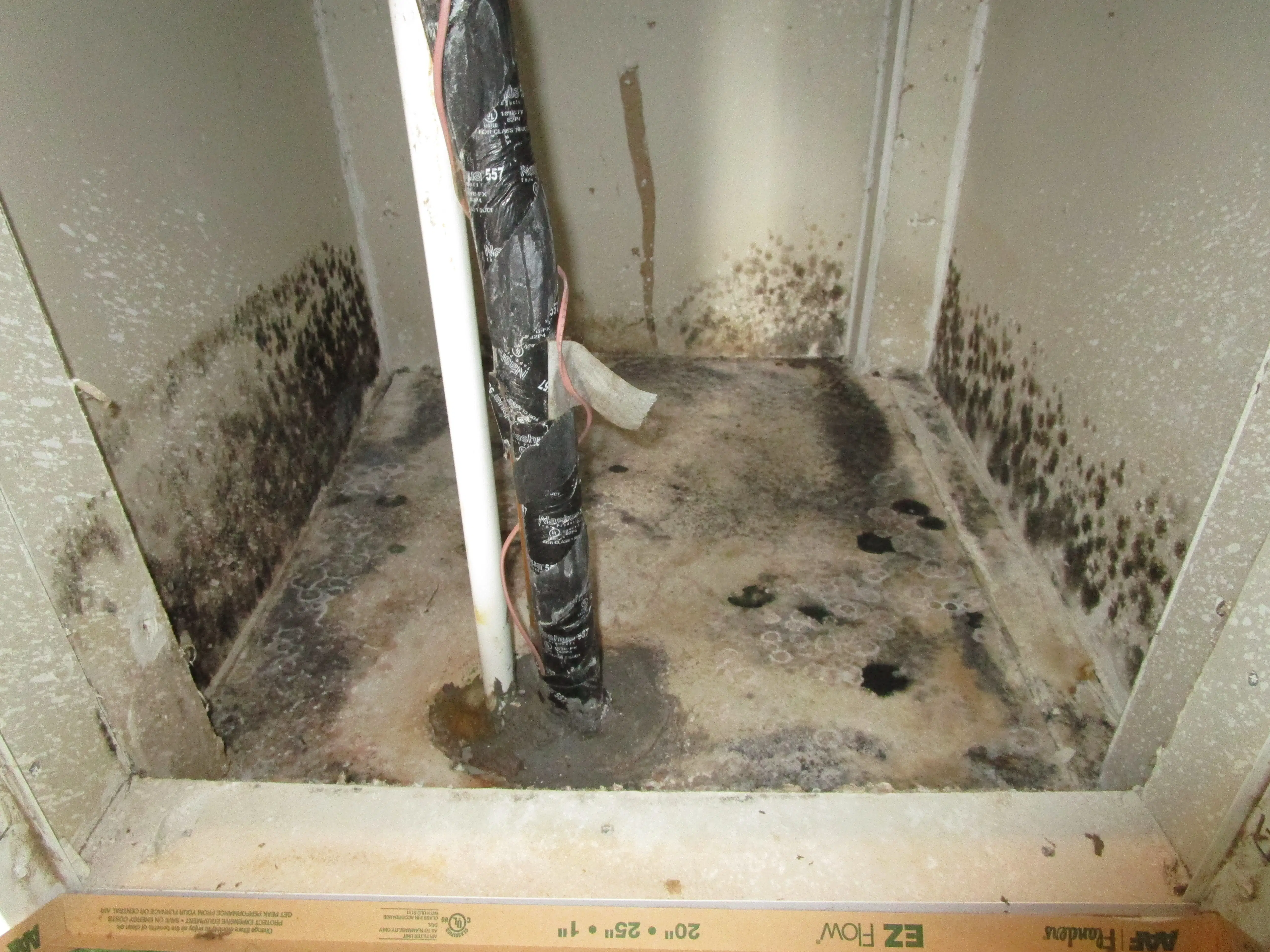
Evidence of mold contamination in an HVAC closet, a common finding during professional inspections.

2. Updated Definitions and the Removal of Mycotoxins

Regulatory language often sounds like "legalese," but the definitions determine what is legally considered a hazard. SB 1255 removed "mycotoxins" from the official state definition of mold in §1958.001(4) of the Occupations Code.

What has changed: While this might seem like a technicality, it narrows the scope of what the TDLR regulates. The state is focusing its regulatory oversight on the physical presence of mold spores and fungal growth rather than the chemical byproducts (mycotoxins) they may release.

Why this matters to you: This change places a heavier emphasis on the physical inspection and air sampling process. It means that your mold inspection must be thorough enough to identify the source of moisture and the presence of spores. At Veteran Home Inspections, we use advanced tools like thermal imaging to find hidden moisture behind walls that traditional "visual-only" inspections might miss. Even if the state definition has shifted, our commitment to identifying the root cause of your air quality issues remains unchanged.

3. The "Judge and Jury" Rule: Assessment vs. Remediation

A critical component of Texas mold law that remains strictly enforced (and further clarified by the new rules) is the separation of duties. Under Texas law, the company that performs the Mold Assessment (the inspection and testing) cannot be the same company that performs the Mold Remediation (the actual cleanup) on the same project.

The conflict of interest: If a company tells you that you have a mold problem and then offers to fix it for $5,000, they have a massive financial incentive to find "problems" that might not exist. This is a clear conflict of interest. Unfortunately, we still find companies doing exactly this, sometimes by using a different "Doing Business As" name to try to hide the affiliation between the assessor an remediator.

How we protect you: Veteran Home Inspections is an independent assessment firm. We do not perform remediation. This independence is your greatest asset. We provide an unbiased, third-party evaluation of your property. If we find an issue, we provide a detailed Mold Remediation Protocol that you can take to any licensed remediator. This ensures you only pay for the work that is truly necessary, saving you thousands of dollars in unneeded repairs.


4. The Critical Role of the Certificate of Mold Damage Remediation (CMDR)

In San Antonio's competitive real estate market, property value is everything. If your home has ever had a mold issue that required remediation, state law requires a Certificate of Mold Damage Remediation (CMDR) to be issued.

The regulatory requirement: To receive a CMDR, a licensed Mold Assessment Consultant must perform a "clearance inspection" after the remediation is finished to verify that the area is safe and the moisture source has been corrected.

Why this matters to you:

  • Property Value: When you go to sell your home, you are legally required to disclose past mold issues. A CMDR is your "get out of jail free" card. It proves to the buyer (and their lender) that the problem was handled professionally and verified by a third party.
  • Insurance: Most insurance companies in Texas will not provide coverage for a home that has a history of mold unless a CMDR is on file.
  • Peace of Mind: Knowing that a Certified Master Inspector has cleared your home gives you the confidence that the air in your home is safe for your family.

Certified Master Inspector badge representing the highest level of expertise in the industry.

5. The San Antonio Humidity Factor and Maintenance

While the laws have changed, the San Antonio climate has not. Our region’s humidity often exceeds 60%, which is the "danger zone" for mold growth. The new regulations emphasize that property owners must take proactive steps to maintain their structures to prevent regulated mold conditions from occurring.

Actionable Advice for San Antonio Homeowners:

  • Monitor Humidity: Keep your indoor relative humidity below 50%. Use a hygrometer to track this, especially in laundry rooms and basements.
  • Inspect HVAC Units: Your air conditioner is your primary dehumidifier. If it isn't cooling or draining correctly, it becomes a mold factory. We often find significant mold growth in HVAC closets during our standard home inspections.
  • Address Leaks Immediately: In the Texas heat, mold can begin to colonize in as little as 24 to 48 hours after a water event.

By following a proactive maintenance schedule and utilizing professional inspections, you can avoid the costly and stressful remediation process altogether.

Why Choose Veteran Home Inspections?

Navigating the new SB 1255 regulations can be confusing, but you don't have to do it alone. At Veteran Home Inspections, we bring a level of discipline and attention to detail that only a veteran-owned business can provide. We are not just looking for spots on a wall; we are evaluating the entire ecosystem of your home to ensure it is a safe, healthy environment.

We provide comprehensive reports within 24 hours, giving you the data you need to make informed decisions quickly. Whether you are buying a new home in Boerne, selling a property in San Antonio, or managing a commercial building in the Hill Country, we have the credentials and the local expertise to protect your interests.

Don’t leave your health or your property value to chance. If you suspect moisture issues or want to ensure your prospective new home is mold-free, contact the experts at Veteran Home Inspections today.

Call us at 210-202-1974 or visit our Contact Page to schedule your professional mold inspection in San Antonio.

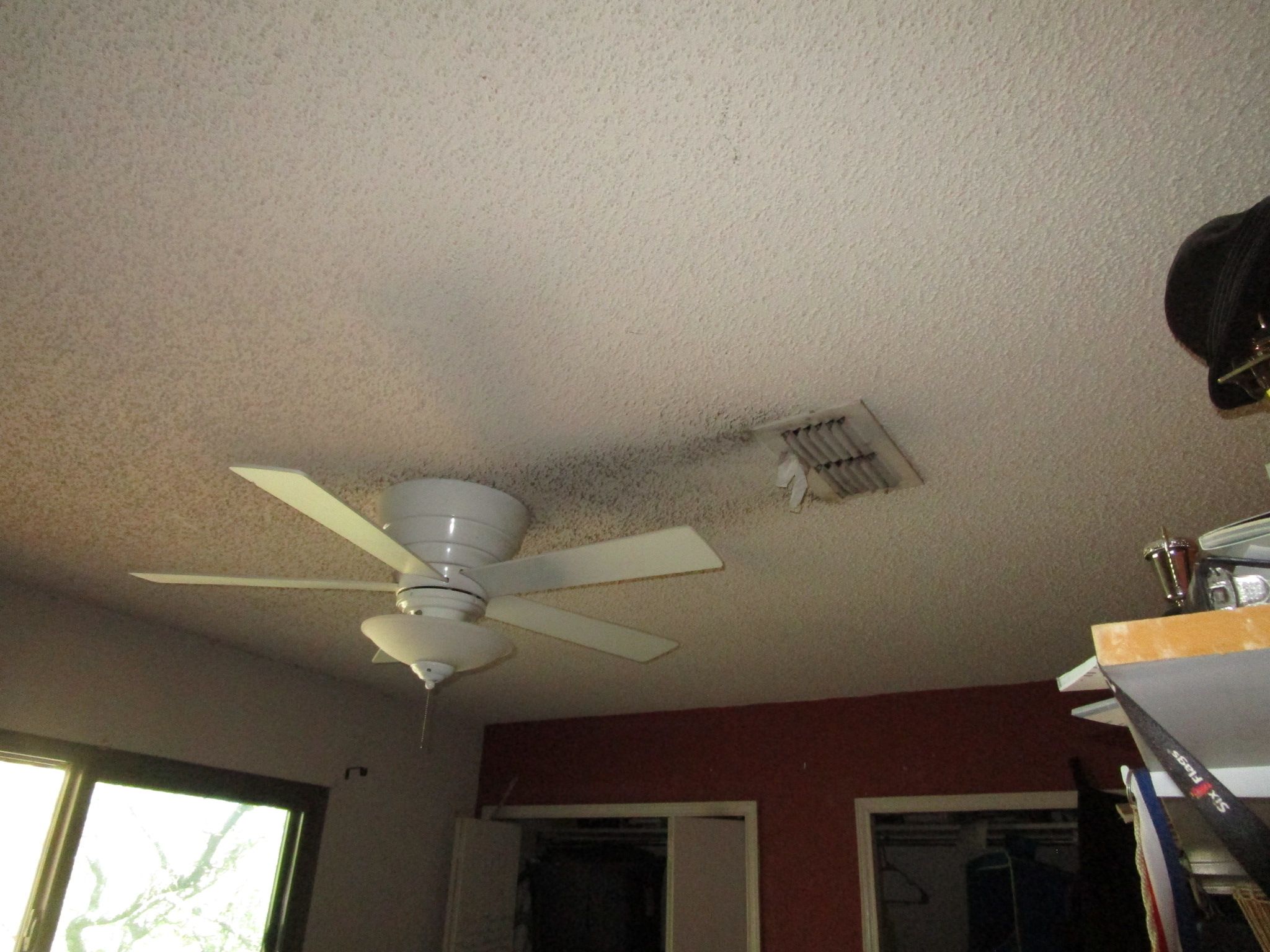
Evidence of water intrusion and mold growth on a ceiling, highlighting the need for expert assessment.

Wednesday, May 13, 2026

Don't Let Mold Kill Your Deal: Navigating San Antonio's Humidity


Thermal image showing water

San Antonio is known for many things: the historic Alamo, the vibrant River Walk, and unfortunately, a climate that acts as a greenhouse for microbial growth. In South Texas, the combination of high humidity and heat isn't just uncomfortable for residents: it is the perfect recipe for mold. For homebuyers and sellers, an undetected mold issue is one of the fastest ways to derail a real estate transaction, leading to collapsed deals, legal disputes, and significant financial loss.

At Veteran Home Inspections, we understand that mold is more than just a cosmetic blemish; it is a structural and health concern that requires a professional, technical approach. If you are navigating the San Antonio real estate market, you must understand how humidity impacts your property and why a specialized mold inspection in San Antonio is a non-negotiable step in your due diligence.

The Humidity Factor: Why San Antonio is a Mold Paradise

The science of mold is simple: it requires spores, a food source (like drywall or wood), and moisture. While you cannot eliminate spores or building materials, you can control moisture. However, in San Antonio, environmental moisture is often beyond a homeowner's direct control.

With average humidity levels frequently climbing above 50%, the air itself can provide enough moisture to trigger mold growth, especially in stagnant areas like attics, crawlspaces, and behind heavy furniture. When warm, humid air meets the cooler surfaces of a home: such as HVAC vents or windows: condensation forms. This "micro-moisture" is all a colony needs to establish itself.

San Antonio Suburban Home

Identifying the Red Flags: Visible vs. Hidden Mold

You might think that mold is easy to spot, but the most dangerous infestations are often the ones you cannot see. While a standard home inspection might note "apparent microbial growth," a dedicated mold inspection goes much deeper.

Visible Indicators

Visible mold often appears as staining or spotting on surfaces. In our region, we frequently see:

  • HVAC Staining: Dark spots around ceiling vents, often caused by condensation and poor duct insulation.
  • Under-Sink Damage: Bubbling cabinet bases or dark spots around P-traps.
  • Baseboard Discoloration: Often indicating a slow leak behind the wall or a slab moisture issue.

Mold on Ceiling Vent

Hidden Indicators

If you notice a persistent "musty" or "earthy" odor, you are likely smelling mold spores even if you can't see them. In many San Antonio homes, mold hides in:

  • The Wall Cavities: Leaks from window flashing or roof eaves can saturate insulation, allowing mold to thrive unseen for years.
  • HVAC Closets: Dark, damp, and poorly ventilated, these areas are high-risk zones for microbial growth.
  • Attic Mechanicals: Condensate drain lines that are improperly installed or clogged can leak directly into the home’s structure.

Hidden Wall Mold

Why Mold Testing is Crucial for Your Real Estate Deal

In a real estate transaction, uncertainty is the enemy. Buyers are often spooked by the word "mold," and without professional data, they are likely to walk away from the deal. Conversely, sellers who ignore potential issues may face liability and lower offers.

For Homebuyers: Negotiating Power and Safety

When you invest in a mold inspection in San Antonio, you are buying peace of mind. Our inspectors at Veteran Home Inspections use advanced tools like thermal imaging and moisture meters to find what the naked eye misses.

  • Avoid Post-Purchase Costs: Remediation can cost thousands. Knowing the extent of the issue allows you to request repairs or credits before you close.
  • Health Protection: For families with allergies or respiratory conditions, ensuring a home has high indoor air quality is a medical necessity.

For Home Sellers: Speed and Disclosure

In Texas, you are legally required to disclose known mold issues. By ordering a pre-listing mold inspection, you take control of the narrative.

  • Build Buyer Trust: Providing a clean professional report or proof of professional remediation eliminates a major hurdle for potential buyers.
  • Prevent Last-Minute Drama: Finding mold during the buyer’s option period can lead to aggressive repair requests or a terminated contract. Addressing it early keeps your sale on track.

The Professional Mold Inspection Process

At Veteran Home Inspections, we don't just "look" for mold; we analyze the environment. Our process is designed to give you a definitive answer.

  1. Visual Assessment: We perform a comprehensive walk-through, focusing on high-risk areas and moisture entry points.
  2. Moisture Mapping: Using moisture meters and thermal cameras, we identify "hot spots" of moisture behind walls and under floors.
  3. Air and Surface Sampling: We collect samples to be analyzed by an accredited laboratory. This determines the type of mold and the concentration of spores in the air compared to the outdoors.
  4. Detailed Reporting: You receive a clear, easy-to-read report within 48 hours, detailing our findings and recommendations.

Mold Testing in progress

Choosing an Expert You Can Trust

When hiring a mold inspector, credentials matter. You should always look for a Certified Master Inspector who understands the unique construction techniques and climate challenges of the San Antonio and Hill Country areas.

As a veteran-owned business, Veteran Home Inspections brings a level of discipline, detail, and integrity to every job. We don't just find problems; we help you understand their severity and the path to a solution. We offer a comprehensive warranty package because we stand behind our work and our commitment to your safety.

Master Inspector Badge

Conclusion: Protect Your Investment Today

Don't let the humidity of San Antonio turn your dream home into a financial nightmare. Whether you are a first-time buyer or an experienced investor, professional mold testing is the only way to ensure the property is safe and sound.

The inspectors at Veteran Home Inspections are ready to provide the clarity you need. We serve clients throughout San Antonio, Boerne, and the surrounding Texas Hill Country with the professional expertise that only a Certified Master Inspector can offer.

Take the first step toward a safe home and a secure deal. Contact Veteran Home Inspections today at 210-202-1974 or visit vhillc.com to schedule your inspection.


Wednesday, May 6, 2026

Thermal Imaging: What Many San Antonio Home Inspectors Won't Tell You

 A professional home inspector in San Antonio using a thermal imaging camera to detect hidden issues behind a wall.

If you are currently navigating the San Antonio real estate market, you’ve likely noticed that almost every home inspection in San Antonio now mentions "thermal imaging" or "infrared technology." It sounds high-tech, expensive, and incredibly thorough.

But here’s the truth that most of the industry would prefer to keep under wraps: A thermal camera is only as good as the person holding it.

At Veteran Home Inspections, we believe in transparency. As a veteran-owned business led by a Certified Master Inspector in San Antonio, we’ve seen how this technology is often used as a marketing gimmick rather than a precision tool. We aren’t just here to check a box; we’re here to ensure your investment is protected.

In this guide, we’re pulling back the curtain on thermal imaging: what it is, what it isn’t, and why most inspectors aren't giving you the full story.

1. It’s Not an X-Ray Machine (And We Shouldn't Pretend It Is)

One of the biggest misconceptions in the industry: often fueled by misleading marketing: is that thermal imaging allows us to see "through" walls. Let’s clear that up immediately: No home inspector has X-ray vision.

Infrared cameras detect surface temperature variations. They don't see through the drywall; they see the thermal signature of what is happening behind it. If there is a moisture leak, the water cools the drywall, creating a "cold spot" that the camera picks up. If there is an electrical wire about to melt a junction box, it creates a "hot spot."

Why this matters to you: If an inspector tells you they can see exactly what kind of pipe is leaking or if there is mold inside a wall just by looking at a screen, they are overpromising. We use thermal imaging to identify anomalies that require further investigation, such as moisture meters or physical probes.

2. The "Free" Thermal Inspection Trap

You’ll see many companies offering a "Free Thermal Scan" with every home inspection. While that sounds like a great deal, you often get exactly what you pay for. When we introduced thermal imaging to our inspection years ago, we increased prices to account for that (one of the reasons we're not the cheapest inspector in the area).

A proper thermal inspection takes time. It requires scanning the entire building envelope, checking every HVAC register, and hunting for electrical hotspots at the breaker panel. Many inspectors who offer it for "free" use it as a 5-minute walk-through tool to snap a few cool-looking pictures for the report without actually analyzing the data.

At Veteran Home Inspections, our thermal imaging inspections are a core part of our mission. We don't just "scan"; we analyze. We look for the "Delta-T" (the difference in temperature) and the patterns that actually signifies a problem, rather than just showing you a pretty rainbow-colored photo of your living room.

A split-screen comparison showing a normal ceiling on the left and a hidden water leak detected via thermal imaging on the right.

3. Training Matters More Than the Equipment

Anyone with a credit card can go to a big-box store and buy a basic infrared camera. However, interpreting those images is a specialized skill.

In the hands of an untrained inspector, a "hot spot" on a wall could be an electrical fire hazard: or it could just be a reflection from a window or a warm stud. Misinterpreting these images leads to two things you want to avoid:

  1. False Alarms: Causing unnecessary panic and potentially killing a real estate deal over nothing.
  2. Missed Defects: Failing to identify a legitimate moisture intrusion because the inspector didn't understand the atmospheric conditions.

As a Certified Master Inspector (CMI)®, we have undergone rigorous training to understand thermography. We know how San Antonio’s humidity and heat index affect thermal readings. If you aren't hiring a Certified Master Inspector in San Antonio, you’re essentially hiring someone who is "learning on the job" with your future home.

The Certified Master Inspector seal, representing the highest level of credentialing in the home inspection industry.

4. The "Delta-T" Secret: Why Timing is Everything

In San Antonio, our weather is a major factor in how well thermal imaging works. For a thermal camera to find missing insulation or air leaks, there needs to be a significant temperature difference between the inside and the outside of the house (the Delta-T).

Most inspectors won't tell you that if they show up at 8:00 AM on a mild 70-degree day, the thermal camera might not show much at all. We strategically use our knowledge of the local climate to maximize the effectiveness of our tools. We understand that in the Texas Hill Country, the late afternoon sun hitting a west-facing wall provides the perfect conditions to see if your builder skipped out on the insulation. We also know how to manipulate the conditions in the house to bring out the details.

5. What We Actually Find (That Others Miss)

When done correctly, thermal imaging is a game-changer. Here is what the inspectors at Veteran Home Inspections are actually looking for:

  • Hidden Moisture: Especially around windows and under second-story bathrooms. Water intrusion often stays hidden behind the paint until the mold starts growing. Mold inspections are far more effective when guided by infrared.
  • Electrical Hazards: We scan the breaker panel for "hot" breakers or loose connections. This is a primary fire prevention step that a standard visual inspection cannot replicate.
  • HVAC Inefficiency: We can see signs showing where your expensive A/C is leaking into the walls. In San Antonio, an air leak in your ductwork is literally throwing money into the wind.

The Veteran Home Inspections Difference

We approach every home inspection with the same discipline and attention to detail we learned in the military. We aren't just looking for "deal breakers"; we are looking for the small things that will cost you money down the road.

When you choose us, you are getting:

  • Expertise: Our extensive inspection experience means we know how these houses are built from the ground up.
  • Speed: Detailed, easy-to-read reports delivered within 24 hours.
  • Value: We offer military and veteran discounts as a way to give back to those who serve.

Don't Settle for a "Basic" Scan

Buying a home in San Antonio, Boerne, or the surrounding Hill Country is likely the largest investment you will ever make. Don’t leave it to an inspector who uses thermal imaging as a prop.

You deserve an inspector who knows the "why" behind the "what." You deserve the peace of mind that comes from a veteran-owned, CMI-led inspection.

Ready for a real look at your future home?
Request your inspection today and let us put our high-tech tools: and our high-level expertise: to work for you.


About Veteran Home Inspections

Based in the Texas Hill Country, Veteran Home Inspections provides comprehensive property evaluations for homebuyers and sellers in San Antonio, Boerne, Bandera, and Kerrville. From standard home inspections to septic and lead-based paint testing, we ensure you have the mission-critical intel you need before you sign on the dotted line.

Veteran Home Inspections Logo

Monday, April 13, 2026

Stucco Secrets: The Invisible Moisture Problems Hiding in San Antonio Homes

 Modern Stucco Home in San Antonio

Stucco is one of the most popular exterior finishes in San Antonio and the surrounding Texas Hill Country. Its timeless, Mediterranean-inspired aesthetic and perceived durability make it a top choice for luxury builds and modern renovations alike. However, for many homeowners, that beautiful exterior hides a costly secret.

In our specific South Texas climate, stucco is not a "set it and forget it" material. The combination of intense humidity, seasonal downpours, and shifting soils creates a perfect storm for moisture intrusion. Because stucco is a porous, cement-based material, it behaves more like a sponge than a shield if it isn't perfectly installed and maintained.

The most dangerous part? By the time you see evidence of a problem on your interior walls, the structural damage behind the stucco has often been occurring for years.

Why the San Antonio Climate is a Threat to Your Stucco

You might associate stucco with the dry, arid climates of Arizona or New Mexico, where it performs exceptionally well. But San Antonio is different. We experience high humidity and sudden, heavy rainfall that puts immense pressure on a home’s "building envelope."

When moisture hangs in the air, stucco absorbs it. Without a properly designed drainage plane behind the finish, that water has nowhere to go. It sits against your wood framing, your sheathing, and your insulation. In the San Antonio heat, this trapped moisture creates a literal incubator for rot and organic growth.

The Hidden Enemy: What Happens Behind the Surface

Most homeowners believe that if the exterior looks clean and the interior paint isn't bubbling, their home is dry. Unfortunately, this is a dangerous assumption. Stucco moisture problems are almost always "blind" issues.

  1. The Sponge Effect: Stucco naturally absorbs water. If the system was installed without a proper "weep screed" at the bottom of the wall, that water cannot escape. It remains trapped, slowly saturating the wooden components of your home.
  2. The Vapor Drive: As the Texas sun beats down on a damp stucco wall, it pushes that moisture inward toward the cooler, air-conditioned interior of your home. This "vapor drive" can force moisture through your house wrap and into your wall cavity.
  3. Compromised Insulation: Wet insulation loses its R-value, meaning your home becomes less energy-efficient. You’ll find yourself paying more for cooling while the moisture continues to degrade your home's skeleton.

Utilizing thermal imaging inspections is one of the only ways to detect these issues before they become visible to the naked eye.

4 Warning Signs You Cannot Afford to Ignore

While many issues are hidden, your home will often provide subtle clues that something is wrong. As a Certified Master Inspector, I recommend looking for these specific "red flags" during your monthly walk-around.

1. "Stucco Tears" (Brown Staining)

If you notice vertical brown or dark streaks appearing below the corners of your windows or where your roof meets a wall, you are looking at "stucco tears." These stains are usually the result of water getting behind the stucco and washing out the tannins from the wood or dirt from the wall cavity. This is a clear indicator that your flashing is either missing or failing.

2. Efflorescence (White Chalky Deposits)

You may see a white, powdery substance on the surface of your stucco. This is called efflorescence. It occurs when water moves through the stucco and carries minerals to the surface. While the powder itself isn't the problem, its presence proves that a significant amount of water is moving through your walls.

3. Deteriorated Caulking Around Windows and Doors

The seal between your stucco and your windows is your first line of defense. In San Antonio, the sun can bake this caulk until it cracks and pulls away. Once that seal is broken, every rainstorm sends gallons of water directly into your wall framing.

4. Cracks Larger Than a Credit Card

Small hairline cracks are common as homes settle, but any crack large enough to stick a credit card into is a gateway for moisture. These cracks need to be professionally evaluated and sealed to prevent systemic failure.

The Structural Reality: Rot and Mold

The end-game for ignored stucco moisture is structural failure. We have seen San Antonio homes where the OSB (oriented strand board) sheathing has turned into the consistency of wet cardboard.

When your home's framing remains damp, it invites wood-destroying insects and mold. Mold in your wall cavities isn't just a repair issue; it’s a health issue. Because we spend so much time indoors with the AC running, the negative pressure in the house can pull mold spores from the wall cavities into your living space.

If you are buying a home, a standard inspection may not be enough to catch these nuances. You need an inspector with a background in construction management who understands how these layers are supposed to be integrated.

Why a Professional Inspection is Mandatory

Because stucco issues are often invisible, you cannot rely on a simple visual "walk-through" by a general contractor. At Veteran Home Inspections, we utilize advanced tools to bridge the gap between what you see and what is actually happening.

  • Thermal Imaging: We use infrared technology to find temperature anomalies in your walls. Wet materials retain heat differently than dry ones, allowing us to "see" moisture through the stucco.
  • Moisture Metering: If we suspect an issue, we use specialized moisture meters to confirm the presence of high moisture levels.
  • Flashing Evaluation: We check every critical junction: kick-out flashing, window headers, expansion joints, and deck attachments: to ensure water is being diverted away from the structure, not into it.

Protecting Your Investment

If you own a stucco home in San Antonio, or if you are considering purchasing one, don't leave the condition of your walls to guesswork. Stucco is a high-performance system that requires high-performance oversight.

Whether you need a pre-listing inspection to ensure your sale goes smoothly or a comprehensive standard home inspection for a new purchase, getting the facts about your stucco is the only way to prevent a five-figure repair bill down the road.

Don't wait for the stains to appear on your drywall. Contact Veteran Home Inspections today to schedule a professional evaluation and ensure your home is truly protected against the Texas elements.

Certified Master Inspector Badge


Summary Checklist for Stucco Homeowners:

  • Check your kick-out flashing: Ensure water from the roof isn't dumping directly into the side of a stucco wall.
  • Inspect the weep screed: Ensure the bottom edge of your stucco is at least 4 inches above the earth and 2 inches above pavement.
  • Seal the gaps: Replace dried or cracked sealant around windows, doors, and light fixtures every 2-3 years.
  • Get a professional scan: Schedule a thermal imaging inspection every few years to catch moisture before it causes rot.

Friday, April 10, 2026

Cracks and Concerns: When Your San Antonio Stucco Needs a Professional Look

 Modern San Antonio home with a clean stucco exterior

Stucco has long been the gold standard for high-end residential architecture in the San Antonio and Texas Hill Country areas. Its durability, fire resistance, and classic Mediterranean aesthetic make it a premier choice for homeowners in Boerne, Bandera, and beyond. However, because stucco is a rigid material, it is also prone to cracking.

For many homeowners, the sight of a single fracture on their exterior wall triggers immediate anxiety. Is your home’s foundation shifting? Is water seeping into your wall cavities? Or is this simply a natural part of the material’s curing process? Understanding the difference between a cosmetic "hairline" crack and a major structural red flag is essential for protecting your investment and your peace of mind.

The San Antonio Climate vs. Your Stucco Exterior

San Antonio presents a unique set of challenges for any rigid building material. The primary culprit is the combination of intense Texas heat and expansive clay soils. During the summer, the sun beats down on your stucco, causing the material to expand. At night, or during a sudden storm, it cools and contracts. Over time, this thermal cycling puts immense stress on the exterior shell of your home.

Furthermore, the soil in the Hill Country is notorious for shifting. As the clay absorbs moisture or dries out during a drought, your foundation moves. Because stucco does not "flex" like wood or vinyl siding, it reacts to these shifts by cracking. Knowing how to interpret these cracks is the first step in responsible home maintenance.

Hairline Cracks: The "Normal" Signs of Life

Not every crack in your stucco is a cause for alarm. In fact, nearly every stucco home will develop minor fractures at some point. These are typically classified as "hairline" cracks: usually less than 1/16 of an inch wide (about the thickness of a credit card).

Why Hairline Cracks Occur:

  • Curing and Shrinkage: As new stucco dries, the water evaporates, causing the material to shrink slightly. This often results in small, spiderweb-like patterns.
  • Minor Settling: Every new home "settles" into the ground during its first few years. Small hairline cracks near windows and door frames are common results of this micro-movement.
  • Vibration: Homes near busy roads or construction sites may develop hairline cracks due to consistent ground vibration.

If you can barely fit the tip of a toothpick into the crack, it is likely a cosmetic issue. These can often be addressed with a high-quality elastomeric paint or a professional stucco patch during your regular maintenance cycle.

Red Flags: When Cracks Mean Structural Trouble

When a crack exceeds 1/16 of an inch, it is no longer just a cosmetic blemish; it is a structural warning sign. These larger gaps allow wind-driven rain to enter the wall system, which can lead to catastrophic internal damage before you ever see a drop of water inside your living room.

Identification of Serious Fractures:

  1. Width: If the crack is wide enough to insert a coin or a pen tip, you have a problem.
  2. Direction: While vertical cracks often relate to shrinkage, diagonal cracks running from the corners of windows or doors usually indicate significant foundation movement.
  3. Separation: If one side of the crack is protruding further out than the other (known as "offsetting"), the stucco is pulling away from the substrate. This suggests the lath or the attachment system has failed.
  4. Growth: If you mark the ends of a crack with a pencil and notice it has grown longer or wider over a month, the structural movement is active and needs an immediate professional home inspection.

The Stair-Step Warning: A Foundation Red Flag

One of the most concerning patterns an inspector looks for is the "stair-step" crack. This occurs when the stucco is applied over concrete blocks or a masonry base. As the foundation shifts, the stress follows the mortar lines of the blocks underneath, creating a jagged, step-like pattern.

Stair-step crack pattern on a stucco wall

If you see stair-step cracks, it is a clear indicator that the ground beneath your home is moving in a way that the structure cannot accommodate. Ignoring these signs can lead to windows that won't open, doors that stick, and eventually, expensive foundation repairs.

Moisture: The Silent Stucco Killer

In San Antonio, moisture is the most significant threat to a stucco home. Unlike brick, which is porous and "breathes," stucco is designed to shed water. If water gets behind the stucco through a crack or poor flashing, it becomes trapped.

Signs of Moisture Infiltration:

  • Staining and Streaking: Look for dark, brownish, or greenish streaks emanating from a crack. This is often "stucco tears," indicating that water is washing minerals and contaminants out from behind the wall.
  • Bubbling and Peeling: If the paint or the stucco itself is starting to bubble or "spall" (flake off), there is likely high hydrostatic pressure from moisture trapped inside.
  • Mold and Odors: If you notice a musty smell near an exterior wall or see visible mold growth on the stucco surface, the internal wood framing may already be rotting.

Moisture staining and damage on a stucco exterior

Moisture damage is particularly prevalent in EIFS (Exterior Insulation and Finish Systems), often called "synthetic stucco." While beautiful, EIFS requires expert installation and perfect sealing. If you suspect moisture issues, a mold inspection and testing service is the only way to confirm the extent of the growth behind your walls.

Thermal Imaging: Seeing Through the Surface

The challenge with stucco is that it hides its secrets well. You might have a massive pocket of moisture or a rotting stud behind a wall that looks perfectly fine to the naked eye. This is where professional technology becomes indispensable.

At Veteran Home Inspections, we utilize thermal imaging (infrared) technology to identify temperature anomalies. Because water-saturated materials retain heat differently than dry ones, an infrared camera can "see" the moisture hidden behind your stucco. This allows us to pinpoint the exact location of a leak without having to tear into your walls, saving you thousands of dollars in exploratory demolition.

The Veteran Home Inspections Advantage

When you are dealing with a material as complex as stucco, you cannot afford a "checkbox" inspection. You need an inspector who understands construction from the ground up.

As a Certified Master Inspector and a veteran-owned business, I bring a level of discipline and technical expertise to every job that goes beyond the standard. My background in construction management means I don't just tell you there is a crack; I explain why it happened and what the likely repair path will look like.

We serve the entire Texas Hill Country, including:

  • Boerne
  • San Antonio
  • Bandera
  • Kerrville

Whether you are buying a new home or noticing new cracks in your current residence, getting an authoritative assessment is the only way to protect your home's value. We provide detailed, easy-to-read reports within 24 hours, giving you the facts you need to make an informed decision.

Take Action Before the Next Storm

Don't wait for a heavy San Antonio rainstorm to find out if your stucco cracks are leaking. A proactive inspection today can prevent a structural failure or a mold colony tomorrow.

Ensure your home is safe, dry, and structurally sound.

Request Your Inspection Online or call us today to speak with a professional about your stucco concerns. At Veteran Home Inspections, we look deeper so you can sleep easier.

Wednesday, October 23, 2019

Do You Need a Real Estate Agent For New Construction Homes?

As a home inspector, I see this issue all the time.  When we get a call for an inspection of a new construction home, one of the questions we ask is if the buyer has an agent.  Looking back, it seems about half of the buyers we work with do have an agent.  Our experience has always been, that when the buyer has an actively involved buyer's agent representing them, the process of buying a new construction home is much smoother.  Recently, we saw this very issue play out in an ideal situation to show the difference.  Two buyers were buying new construction homes in the same development, and working with the same builder.  The first buyer, had an agent.  The second didn't.  We did inspections on both of these homes, and found a very similar problem in both homes.  In the first one, the condensate line from the air conditioner was broken in the attic, and condensate water was leaking out into the attic and had damaged a large area of the ceiling drywall.  This water showed up great on the thermal image we took of the ceiling.
Thermal image of water leak in a new construction house
After this buyer's agent brought the issue to the builder, the damaged drywall was quickly removed, the condensate line was repaired, and everything put back together.  I don't think the closing was even delayed.  
The second buyer was a friend of the first, and she referred Veteran Home Inspections to them, and we went out to do the inspection.  Or at least we tried to.  The first time we went out, the builder had scheduled interior painting for the same time as the inspection.  Well, we can't do an inspection while the painters are there with spray paint equipment, so we had to reschedule.  Since I was there anyways, I took a quick look around, and found that the condensate line for the air conditioner wasn't even hooked up, and was just pouring water all over the upstairs bathroom, inside the cabinet, and draining into the master closet ceiling.  Here's an image of the water in the master closet.  Again, the purple shows the extent of the water intrusion.  
Thermal image of water leak in a new construction house
Unfortunately, the second buyer didn't have an agent representing him, and the builder took advantage of that.  They only cut out small holes in the ceiling to allow the drywall to "dry out" and they refused to replace the bathroom vanity that had significant water damage already showing.  They eventually forced this client to close on the house before I was able to get in to verify that everything was repaired.
Remember, these are both buyers with the same builder, in the same neighborhood.  The inspections were within a few weeks of each other, and the only difference was the agent the first buyer had.
So, if you are looking to buy a house, either new or pre-owned, make sure you have an agent working for you.  The seller (or builder) pays this cost out of their proceeds, so there really isn't much disadvantage to working with your own agent.  
I hope this little example also convinces you that even if you're buying a new construction home, you need to get it inspected by your own inspector.  Hopefully if you are in the San Antonio or Texas Hill Country area, you will call us to do your inspection, but even if you don't, make sure you call someone that is working only for you.
You can book your new construction foundation, pre-drywall, final, and 11-month warranty inspections online at www.vhillc.com, or call us 24/7 at 210-202-1974.

Thursday, August 31, 2017

Flood-Damaged Homes & Buildings


by Nick Gromicko & Mike Marlow
 
Home and business owners should be prepared to protect themselves and their family members from the unique challenges posed by flood-damaged buildings. 
 
Hazards in and around flood-damaged buildings include the risks of:Good boots can protect against sharp debris in flood-damaged buildings
  • growth of large mold colonies;
  • septic system collapse;
  • trip-and-fall injuries;
  • structural collapse; 
  • fire and explosions; 
  • toxic sludge and materials containing waterborne bacteria; and 
  • electrical shock hazards.
Inspection Tips
  • Inspect the building exterior for downed power lines and gas leaks. Gas leaks will smell like rotten eggs. If you suspect a gas leak, contact the utility company immediately.
  • While entering the building, see if the door sticks at the top. If it does, this could mean that the ceiling is ready to collapse. After you open the door, stand outside the doorway, clear of any falling debris.        
  • Wear sturdy, treaded boots. According to the American Red Cross, the most common injury following a disaster is cut feet. Broken bottles, nails, glass, and other dangerous debris may litter the floor, and stairs may be very slippery.
  • Once you are inside the home, check for gas leaks again. If you smell gas or hear a blowing or hissing noise, open a window and quickly leave the building. Turn off the gas at the outside main valve, if you can, and call the gas company from a neighbor's home. If you turn off the gas for any reason, a professional must turn it back on. Never use an open flame inside of a flood-damaged house unless you know that the gas has been turned off and the house is ventilated. To inspect for damage, use a battery-powered lantern or flashlight, and not an open flame or electrical fixture in the house.
  • Do not use appliances that may have gotten wet unless you know they have been dismantled, cleaned and dried.
  • Do not work by yourself. If you are injured, it might take a long time before you receive assistance. If you must work alone, bring a cell phone or radio so you may call for assistance, if the need arises.
  • Bring a HEPA-rated respirator to use in case you detect extensive mold. If you are asthmatic or otherwise at heightened risk to mold exposure, leave the Large mold colonies have grown in this house, which was flooded when a water pipe burst building. Other personal safety equipment, such as gloves and coveralls, may also prevent contact with mold and other contaminants.
  • Examine doors, walls, windows, floors and staircases to make sure that the building shows no signs of potential collapse. Inspect for loose plaster, drywall, and ceilings that may fall. Also, inspect the foundation for evidence of cracks and other structural damage that may render the building uninhabitable.
  • Inspect for fire hazards, such as broken and leaking gas lines, flooded electrical circuits, and submerged furnaces and electrical appliances. Flammable and explosive materials may travel from upstream. Be aware that fire is the most frequent hazard in homes following floods.
  • Inspect for electrical system damage, such as broken and frayed wires, and burned insulation. You can turn off the electricity at the main fuse box or circuit breaker. If you have to step in water to get to the fuse box or circuit breaker, call an electrician first for advice. Electrical equipment should be inspected by a qualified professional and dried before being returned to service.  Salt water and brackish water can cause even more damage very quickly.
  • Inspect for sewage and water supply-line damage. If you suspect sewage lines have been damaged, avoid using the toilets and call a plumber. If water pipes are damaged, contact the water utility company and avoid operating the tap.
  • Use caution while inspecting crawlspaces for a variety of reasons, such as the presence of mold, sewage, asbestos, chemicals, rodents, and the risk of structural collapse.
  • Watch out for animals, especially poisonous snakes, which may have been washed into the building during the flood. You can use a stick to poke through debris to check for dangerous critters.
  • Food that has come into contact with floodwater may be contaminated and it must be thrown away.  Canned food may be salvageable if the can is not dented or damaged.
  • Sterilize water if it is of questionable purity. One easy way to do this is to boil it for at least five minutes. Water wells that may have been affected by floodwater should be pumped out and the water tested for purity before drinking.
  • Have exposed wires replaced by a qualified professional.
  • As much as possible, remove the mud and silt that has entered the home, both by shoveling and hosing the house down. Mud and silt contain sewage and chemicals from farms, factories, roads and buildings. Discard items, such as mattresses and wallboard, that may be contaminated by mud or silt.
  • Turn off the house’s electricity. Do this even if the power company has turned off electricity to the area.
  • Take pictures of the building and its contents for insurance purposes.
We here at Veteran Home Inspections wish everyone in the areas affected by Hurricane Harvey the best.  Take care and be safe.

Mike & Jamie Marlow
Veteran Home Inspections, PLLC
210-202-1974

Wednesday, August 23, 2017

Protect Your Property From Water Damage

With the predicted rainfalls coming from the hurricane headed towards the Texas coast, now is a good time to take a look around your property to see where your vulnerabilities to water are.  A little maintenance and repair now can keep you dry and keep your home or business safe.

Water may be essential to life, but, as a destructive force, water can diminish the value of your home or building. Homes as well as commercial buildings can suffer water damage that results in increased maintenance costs, a decrease in the value of the property, lowered productivity, and potential liability associated with a decline in indoor air quality. The best way to protect against this potential loss is to ensure that the building components which enclose the structure, known as the building envelope, are water-resistant. Also, you will want to ensure that manufacturing processes, if present, do not allow excess water to accumulate. Finally, make sure that the plumbing and ventilation systems, which can be quite complicated in buildings, operate efficiently and are well-maintained. This article provides some basic steps for identifying and eliminating potentially damaging excess moisture.

Identify and Repair All Leaks and Cracks
The following are common building-related sources of water intrusion:
  • windows and doors: Check for leaks around your windows, storefront systems and doors.
  • roof: Improper drainage systems and roof sloping reduce roof life and become a primary source of moisture intrusion. Leaks are also common around vents for exhaust or plumbing, rooftop air-conditioning units, or other specialized equipment.
  • foundation and exterior walls: Seal any cracks and holes in exterior walls, joints and foundations. These often develop as a naturally occurring byproduct of differential soil settlement.
  • plumbing: Check for leaking plumbing fixtures, dripping pipes (including fire sprinkler systems), clogged drains (both interior and exterior), defective water drainage systems and damaged manufacturing equipment.
  • ventilation, heating and air conditioning (HVAC) systems: Numerous types, some very sophisticated, are a crucial component to maintaining a healthy, comfortable work environment. They are comprised of a number of components (including chilled water piping and condensation drains) that can directly contribute to excessive moisture in the work environment. In addition, in humid climates, one of the functions of the system is to reduce the ambient air moisture level (relative humidity) throughout the building. An improperly operating HVAC system will not perform this function.
Prevent Water Intrusion Through Good Inspection and Maintenance Programs
Hire a qualified InterNACHI inspector to perform an inspection of the following elements of your building to ensure that they remain in good condition:
  • flashings and sealants: Flashing, which is typically a thin metal strip found around doors, windows and roofs, are designed to prevent water intrusion in spaces where two building materials come together. Sealants and caulking are specifically applied to prevent moisture intrusion at building joints. Both must be maintained and in good condition.
  • vents: All vents should have appropriate hoods, exhaust to the exterior, and be in good working order.
  • Review the use of manufacturing equipment that may include water for processing or cooling. Ensure wastewater drains adequately away, with no spillage. Check for condensation around hot or cold materials or heat-transfer equipment.
  • HVAC systems are much more complicated in commercial buildings. Check for leakage in supply and return water lines, pumps, air handlers and other components. Drain lines should be clean and clear of obstructions. Ductwork should be insulated to prevent condensation on exterior surfaces.
  • humidity: Except in specialized facilities, the relative humidity in your building should be between 30% and 50%. Condensation on windows, wet stains on walls and ceilings, and musty smells are signs that relative humidity may be high. If you are concerned about the humidity level in your building, consult with a mechanical engineer, contractor or air-conditioning repair company to determine if your HVAC system is properly sized and in good working order. A mechanical engineer should be consulted when renovations to interior spaces take place.
  • moist areas: Regularly clean off, then dry all surfaces where moisture frequently collects.
  • expansion joints: Expansion joints are materials between bricks, pipes and other building materials that absorb movement. If expansion joints are not in good condition, water intrusion can occur.
Protection From Water Damage
  • interior finish materials: Replace drywall, plaster, carpet and stained or water-damaged ceiling tiles. These are not only good evidence of a moisture intrusion problem, but can lead to deterioration of the work environment, if they remain over time.
  • exterior walls: Exterior walls are generally comprised of a number of materials combined into a wall assembly. When properly designed and constructed, the assembly is the first line of defense between water and the interior of your building. It is essential that they be maintained properly (including regular refinishing and/or resealing with the correct materials).
  • storage areas: Storage areas should be kept clean.  Allow air to circulate to prevent potential moisture accumulation.
Act Quickly if  Water Intrusion Occurs
Label shut-off valves so that the water supply can be easily closed in the event of a plumbing leak. If water intrusion does occur, you can minimize the damage by addressing the problem quickly and thoroughly. Immediately remove standing water and all moist materials, and consult with a building professional. Should your building become damaged by a catastrophic event, such as fire, flood or storm, take appropriate action to prevent further water damage, once it is safe to do so. This may include boarding up damaged windows, covering a damaged roof with plastic sheeting, and/or removing wet materials and supplies. Fast action on your part will help minimize the time and expense for repairs, resulting in a faster recovery.

For water intrusion and mold inspections, call Veteran Home Inspections at 210-202-1974.  You can also book online at www.vhillc.com