
San Antonio is known for many things: the historic River Walk, the vibrant culture, and unfortunately, a climate that is practically a petri dish for mold growth. With our high humidity levels and intense summer heat, moisture intrusion in Texas homes is not a matter of "if," but "when." Whether it is a slow leak under a kitchen sink or a failing HVAC system in a humid attic, mold can quickly become a silent threat to both your property’s structural integrity and your family’s health.
Recently, the regulatory landscape regarding mold in Texas underwent a significant shift. On September 1, 2025, Senate Bill 1255 (SB 1255) officially went into effect, bringing sweeping changes to how mold inspections and remediations are handled across the state. If you are a homeowner or a buyer looking for a mold inspection in San Antonio, these changes directly impact who you hire and the level of protection you receive.
At Veteran Home Inspections, we believe that an informed client is a protected client. We have analyzed these new regulations to explain exactly how they affect you. Here are five things you need to know about the new Texas mold regulatory changes and why they matter for your San Antonio property.
1. Mandatory Individual Licensing for All Workers
The most significant change introduced by SB 1255 is the end of the "supervision exemption." In the past, a mold remediation or assessment company could operate with one licensed supervisor overseeing several unlicensed workers. This often led to inconsistencies in quality and accountability, as the individuals actually performing the work in your home might not have undergone formal training or background checks.
What has changed: As of September 2025, every single individual who performs mold assessment or remediation activities must hold their own valid license or registration from the Texas Department of Licensing and Regulation (TDLR). There are no more shortcuts.
Why this matters to you: This change ensures a much higher baseline of expertise. When you hire the inspectors at Veteran Home Inspections, you are guaranteed that the professional entering your home has met the state’s rigorous standards for education and ethical conduct. Individual licensing promotes accountability; it prevents "fly-by-night" operations from using untrained labor to cut costs, which ultimately protects the air you breathe.
2. Updated Definitions and the Removal of Mycotoxins
Regulatory language often sounds like "legalese," but the definitions determine what is legally considered a hazard. SB 1255 removed "mycotoxins" from the official state definition of mold in §1958.001(4) of the Occupations Code.
What has changed: While this might seem like a technicality, it narrows the scope of what the TDLR regulates. The state is focusing its regulatory oversight on the physical presence of mold spores and fungal growth rather than the chemical byproducts (mycotoxins) they may release.
Why this matters to you: This change places a heavier emphasis on the physical inspection and air sampling process. It means that your mold inspection must be thorough enough to identify the source of moisture and the presence of spores. At Veteran Home Inspections, we use advanced tools like thermal imaging to find hidden moisture behind walls that traditional "visual-only" inspections might miss. Even if the state definition has shifted, our commitment to identifying the root cause of your air quality issues remains unchanged.
3. The "Judge and Jury" Rule: Assessment vs. Remediation
A critical component of Texas mold law that remains strictly enforced (and further clarified by the new rules) is the separation of duties. Under Texas law, the company that performs the Mold Assessment (the inspection and testing) cannot be the same company that performs the Mold Remediation (the actual cleanup) on the same project.
The conflict of interest: If a company tells you that you have a mold problem and then offers to fix it for $5,000, they have a massive financial incentive to find "problems" that might not exist. This is a clear conflict of interest. Unfortunately, we still find companies doing exactly this, sometimes by using a different "Doing Business As" name to try to hide the affiliation between the assessor an remediator.
How we protect you: Veteran Home Inspections is an independent assessment firm. We do not perform remediation. This independence is your greatest asset. We provide an unbiased, third-party evaluation of your property. If we find an issue, we provide a detailed Mold Remediation Protocol that you can take to any licensed remediator. This ensures you only pay for the work that is truly necessary, saving you thousands of dollars in unneeded repairs.
4. The Critical Role of the Certificate of Mold Damage Remediation (CMDR)
In San Antonio's competitive real estate market, property value is everything. If your home has ever had a mold issue that required remediation, state law requires a Certificate of Mold Damage Remediation (CMDR) to be issued.
The regulatory requirement: To receive a CMDR, a licensed Mold Assessment Consultant must perform a "clearance inspection" after the remediation is finished to verify that the area is safe and the moisture source has been corrected.
Why this matters to you:
- Property Value: When you go to sell your home, you are legally required to disclose past mold issues. A CMDR is your "get out of jail free" card. It proves to the buyer (and their lender) that the problem was handled professionally and verified by a third party.
- Insurance: Most insurance companies in Texas will not provide coverage for a home that has a history of mold unless a CMDR is on file.
- Peace of Mind: Knowing that a Certified Master Inspector has cleared your home gives you the confidence that the air in your home is safe for your family.
5. The San Antonio Humidity Factor and Maintenance
While the laws have changed, the San Antonio climate has not. Our region’s humidity often exceeds 60%, which is the "danger zone" for mold growth. The new regulations emphasize that property owners must take proactive steps to maintain their structures to prevent regulated mold conditions from occurring.
Actionable Advice for San Antonio Homeowners:
- Monitor Humidity: Keep your indoor relative humidity below 50%. Use a hygrometer to track this, especially in laundry rooms and basements.
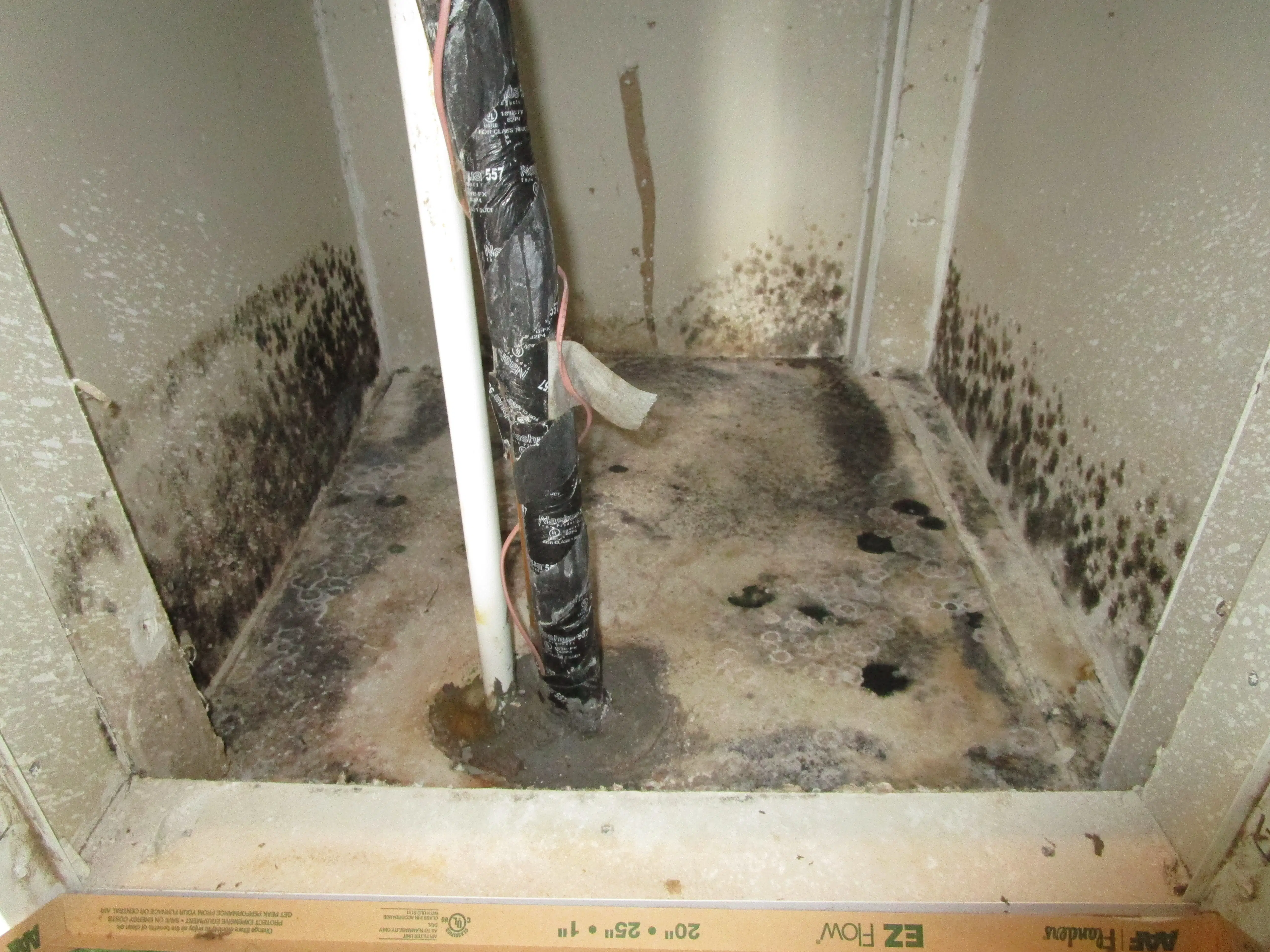
- Inspect HVAC Units: Your air conditioner is your primary dehumidifier. If it isn't cooling or draining correctly, it becomes a mold factory. We often find significant mold growth in HVAC closets during our standard home inspections.
- Address Leaks Immediately: In the Texas heat, mold can begin to colonize in as little as 24 to 48 hours after a water event.
By following a proactive maintenance schedule and utilizing professional inspections, you can avoid the costly and stressful remediation process altogether.
Why Choose Veteran Home Inspections?
Navigating the new SB 1255 regulations can be confusing, but you don't have to do it alone. At Veteran Home Inspections, we bring a level of discipline and attention to detail that only a veteran-owned business can provide. We are not just looking for spots on a wall; we are evaluating the entire ecosystem of your home to ensure it is a safe, healthy environment.
We provide comprehensive reports within 24 hours, giving you the data you need to make informed decisions quickly. Whether you are buying a new home in Boerne, selling a property in San Antonio, or managing a commercial building in the Hill Country, we have the credentials and the local expertise to protect your interests.
Don’t leave your health or your property value to chance. If you suspect moisture issues or want to ensure your prospective new home is mold-free, contact the experts at Veteran Home Inspections today.
Call us at 210-202-1974 or visit our Contact Page to schedule your professional mold inspection in San Antonio.


No comments:
Post a Comment