Showing posts with label moisture control. Show all posts

Friday, August 28, 2026

That Musty Smell Isn't "Normal": 5 Signs Your San Antonio Home Needs a Mold Inspection

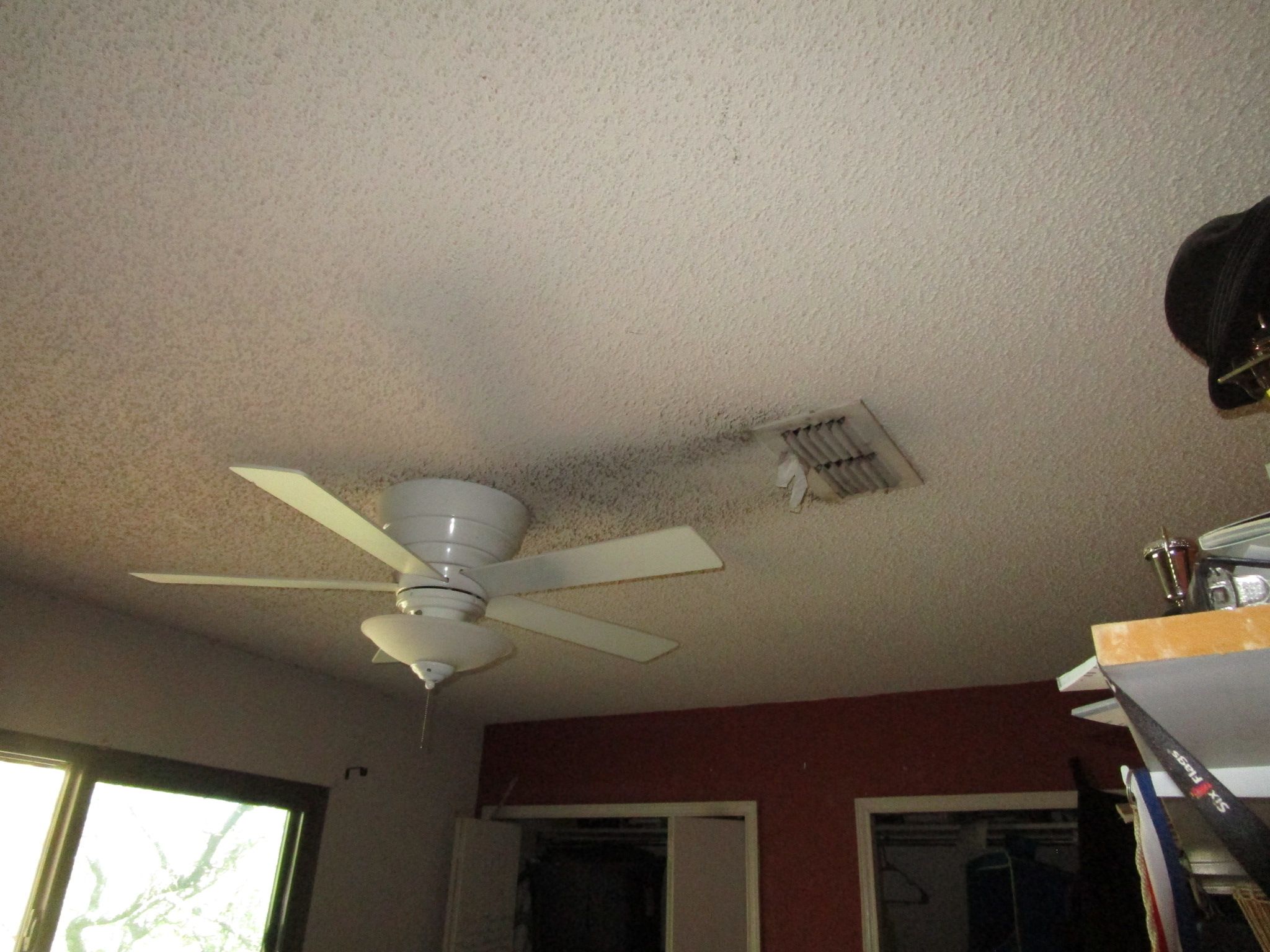
 Visible mold-like staining around a bedroom HVAC vent on a textured ceiling

Late-summer humidity can expose moisture problems that remain hidden during drier months. In San Antonio and throughout the Texas Hill Country, a musty odor may become more noticeable when warm, humid air meets cool surfaces, poorly ventilated spaces, or an air-conditioning system working continuously.

A musty smell does not prove that mold is present. However, it is a signal that you should investigate the source rather than cover the odor with air fresheners or assume it is simply part of an older home.

Mold growth requires moisture and a suitable surface. If you identify one or more of the warning signs below, scheduling a professional mold inspection in San Antonio can help you determine whether the concern is related to active moisture, past water damage, indoor humidity, or another building condition.

1. Persistent Musty or Earthy Odors

A persistent musty, earthy, or “old basement” smell is one of the most common reasons homeowners request a mold inspection. The odor may be strongest in a closet, bathroom, bedroom, attic, crawl space, HVAC area, or room located below a plumbing fixture.

Do not assume the odor is harmless simply because you cannot see mold. Growth may be located:

  • Behind drywall or paneling
  • Under flooring or carpet
  • Around HVAC equipment or ductwork
  • Inside cabinets beneath plumbing fixtures
  • In attics, crawl spaces, or wall cavities
  • Near roof penetrations or exterior wall openings

Odors can also come from damp insulation, decaying building materials, plumbing leaks, or poorly ventilated areas. A professional inspection helps separate these possibilities so you can address the source instead of repeatedly treating the symptom.

What you should do: Note when and where the odor is strongest. Pay attention to whether it increases after rain, when the air conditioner runs, or when the home has been closed up. This information gives the inspector a useful starting point and can reduce unnecessary investigation.

2. Discoloration on Walls, Ceilings, or Other Surfaces

Brown, yellow, gray, green, or black discoloration may indicate water staining, microbial growth, or a combination of both. Peeling paint, bubbling drywall, swollen trim, and deteriorated caulk are also important indicators because they suggest that moisture has affected the material.

Water intrusion and possible mold growth visible on a ceiling and upper wall

Pay particular attention to staining:

  • Around ceiling vents and light fixtures
  • Beneath bathrooms, kitchens, and laundry rooms
  • Near windows and exterior doors
  • Along baseboards and wall corners
  • Around skylights, chimneys, and roof transitions
  • In closets against exterior walls

A discolored area is not automatically mold. It may be an old stain that has dried, but a professional should still evaluate the surrounding material if the cause was never corrected. Painting over the area without identifying the moisture source can conceal a developing problem and make future repairs more disruptive.

What you should do: Avoid scraping, sanding, or disturbing suspicious material before it has been evaluated. Document the location with photographs and check whether the surface feels soft, damp, swollen, or unusually cool.

3. Past or Present Leaks

Even a leak that has been repaired can leave behind moisture-damaged materials. Water may have entered wall cavities, insulation, subflooring, or ceiling assemblies before the leak was discovered. If wet materials were not dried thoroughly, mold may develop later.

Common sources include:

  • Roof leaks after heavy rain or storms
  • Plumbing leaks beneath sinks or behind walls
  • Overflowing tubs, toilets, or washing machines
  • Air-conditioning condensate problems
  • Foundation or exterior drainage issues
  • Water intrusion around windows and doors

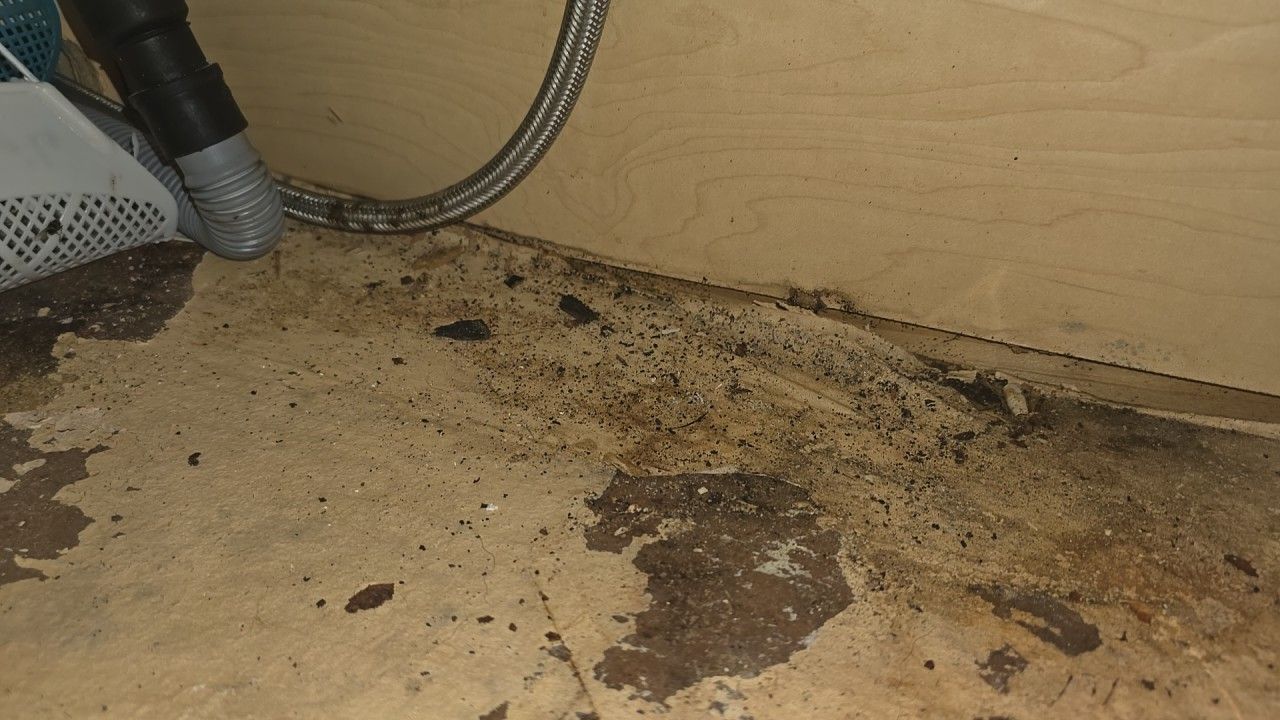
Moisture damage and possible microbial growth beneath a sink

A previous owner may also have completed cosmetic repairs without resolving the original cause. Fresh paint, replacement trim, or patched drywall does not necessarily confirm that the affected area was properly dried and remediated.

What you should do: Gather any available repair records, insurance claims, plumber invoices, or information about prior flooding. Share those details with the inspector because the history of a leak can help determine where hidden moisture may remain.

If water is actively entering the home, stop the source first when possible and contact the appropriate plumbing, roofing, or water-damage professional. Mold inspection identifies conditions and concerns; it does not replace emergency leak repair or professional remediation.

4. Repeated Condensation Problems

Condensation occurs when warm, moisture-laden air contacts a cooler surface. In San Antonio’s hot and humid climate, this can happen around air-conditioning vents, ductwork, windows, uninsulated pipes, and poorly ventilated rooms.

One isolated instance of condensation may not indicate a major problem. Repeated moisture, however, can create conditions that support mold growth over time. Watch for:

  • Water droplets on supply vents
  • Damp areas around HVAC equipment
  • Condensation on windows or cold-water pipes
  • Rust or staining near duct connections
  • Damp attic insulation
  • Persistent humidity in bathrooms, closets, or bedrooms

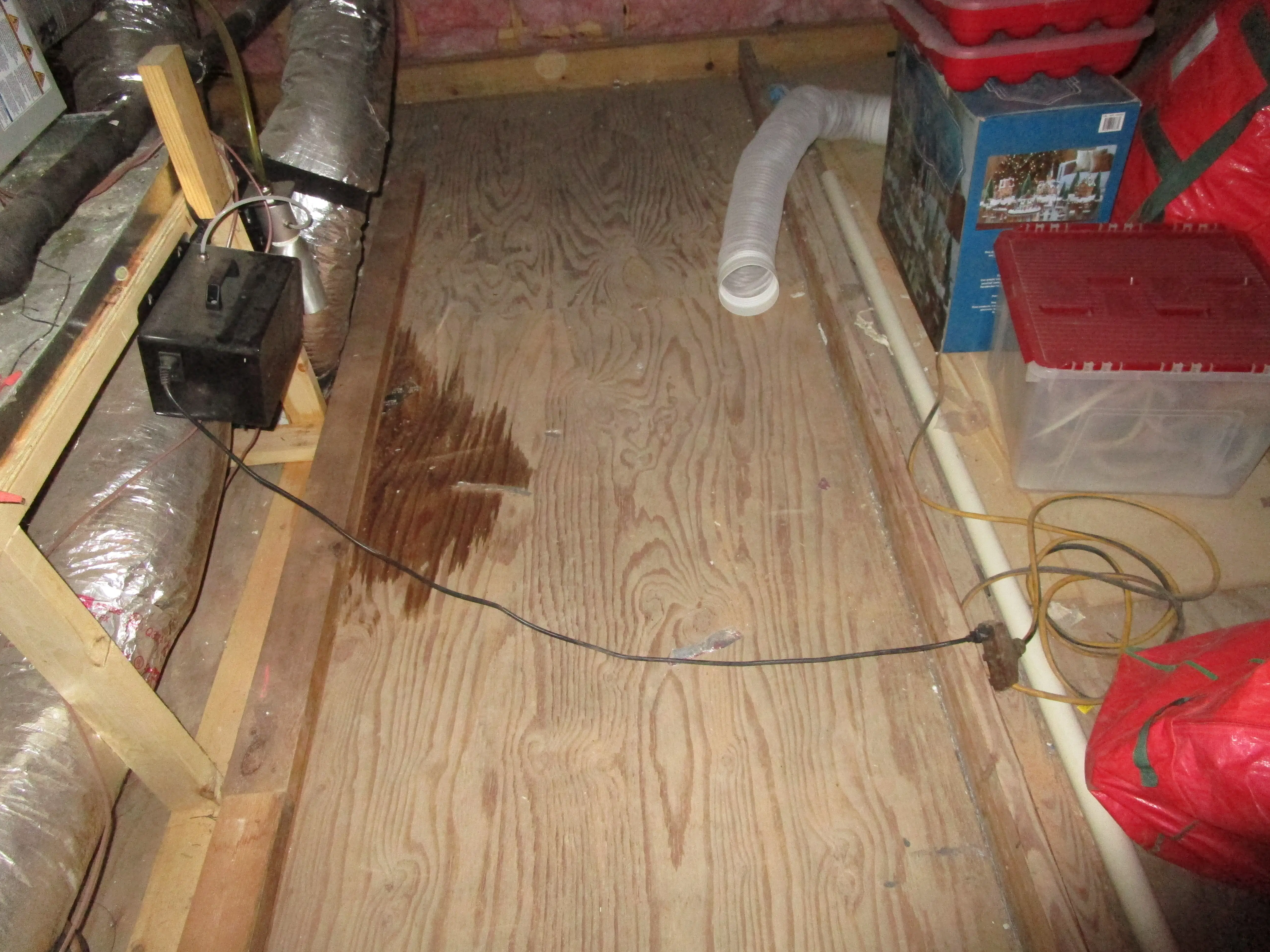
Attic mechanical area with water staining near HVAC components and ductwork

Condensation can also point to inadequate ventilation, blocked airflow, insulation gaps, excessive indoor humidity, or an HVAC drainage issue. Identifying the contributing condition benefits you in two ways: it helps reduce the chance of mold growth and can improve comfort and energy efficiency.

What you should do: Use bathroom exhaust fans during showers and for a period afterward. Keep HVAC filters clean, make sure supply and return vents are not blocked, and monitor indoor humidity with a reliable hygrometer. If condensation continues despite these steps, schedule an evaluation rather than relying on repeated cleaning.

5. Unexplained Allergy or Respiratory Symptoms

Mold and other indoor contaminants can aggravate allergy and respiratory symptoms in sensitive individuals. You may notice sneezing, congestion, coughing, eye irritation, wheezing, or asthma symptoms that seem worse in one room or improve after spending time away from the property.

These symptoms can have many causes, including seasonal pollen, dust, pets, cleaning products, and other environmental irritants. They do not establish that mold is present, and a home inspection cannot diagnose a medical condition.

However, a pattern is worth taking seriously: especially when symptoms occur alongside musty odors, visible staining, water damage, or recurring condensation.

What you should do: Consult a qualified medical professional about health concerns. At the same time, investigate the property if symptoms appear connected to specific rooms or building conditions. This two-part approach protects your health while helping you identify potential environmental contributors.

What Does a Professional Mold Inspection Include?

A thorough mold inspection in San Antonio should be based on the property’s history, visible conditions, moisture patterns, and the reason for the inspection. Depending on the scope, the evaluation may include:

Visual Inspection

The inspector examines accessible areas for visible growth, water staining, damaged materials, ventilation concerns, and conditions that could support microbial growth. This includes reviewing rooms, attics, crawl spaces, HVAC areas, plumbing locations, and other relevant portions of the property when accessible.

Moisture Evaluation and Infrared Imaging

Moisture meters help identify elevated moisture in building materials. Infrared imaging can reveal temperature differences associated with concealed moisture, missing insulation, or other conditions that are not apparent during a visual review.

Thermal image revealing a hidden water leak in a ceiling

Thermal imaging does not see through walls or identify mold directly. It is an investigative tool that can help the inspector target areas for further evaluation. Veteran Home Inspections uses professional infrared cameras during inspections to help identify hidden water leaks and other concerns.

Air and Surface Sampling

When appropriate to the inspection scope, air sampling may be used to compare indoor airborne particles with an outdoor or reference sample. Surface sampling, such as a swab or tape-lift sample, may help identify material collected from a suspicious area.

Sampling should support the inspection: not replace it. The U.S. Environmental Protection Agency explains that mold sampling is not always necessary, particularly when significant visible growth and a clear moisture source are already present. There is also no universal federal standard defining a “safe” indoor mold level. Results require professional interpretation in the context of the building’s conditions.

Written Findings and Recommendations

A useful report should document observed conditions, photographs, moisture concerns, sampling results when collected, and practical recommendations. The goal is to give you a clear path forward: correct the moisture source, determine whether materials need specialized remediation, and verify repairs when appropriate.

When Should You Stop Guessing and Call an Expert?

Schedule a professional evaluation when:

  • A musty odor persists after cleaning and ventilation
  • Staining returns after being painted or cleaned
  • You have experienced flooding or a significant leak
  • Condensation repeatedly affects the same areas
  • You find suspicious growth in an HVAC or attic space
  • Allergy-like symptoms seem connected to the home
  • You are buying or selling a property with unresolved moisture concerns

Do not disturb large areas of suspected growth or remove contaminated materials without understanding the appropriate safety and remediation requirements. If occupants have serious respiratory symptoms, are immunocompromised, or have other health concerns, consult a medical professional promptly.

Get Clear Answers About Your San Antonio Home

Moisture problems rarely improve when they are ignored. Early evaluation can help you identify the source, prevent additional damage, and make informed decisions about repairs or remediation.

Veteran Home Inspections provides property inspection services for homeowners and buyers in San Antonio and the surrounding Texas Hill Country. We can help investigate visible concerns, moisture conditions, and areas that may require additional professional attention.

Request an inspection online or call 210-202-1974 to discuss your concerns and determine the right next step.

Additional Resources

Monday, August 17, 2026

Beyond the Sniff Test: How Professional Mold Inspections Find What Homeowners Miss


Black mold staining on a bedroom ceiling near an HVAC vent, highlighting hidden indoor air quality issues

When it comes to maintaining a healthy living environment in the Texas Hill Country, few things create as much immediate anxiety as the suspicion of mold. Whether you notice a faint, earthy musty smell in your hallway or you are preparing to purchase a home in San Antonio, Boerne, or Kerrville, identifying mold growth is critical. Many homeowners assume that a quick DIY test kit from the local hardware store or a simple "sniff test" is enough to clear the air. Unfortunately, these makeshift methods often provide a false sense of security while leaving extensive, damaging colonies untouched behind your walls.

At Veteran Home Inspections, we believe that safeguarding your property requires precision, advanced technology, and professional expertise. Mold is rarely a surface-level problem you can spot easily with the naked eye. To protect your investment and your family's respiratory health, you need to understand why DIY checks fall short and how professional mold inspections reveal the unseen hazards lurking in your home.


The Illusion of the DIY Mold Test Kit

It is tempting to pick up a low-cost petri dish test kit, leave it out for an hour, and mail it away for a quick lab fee. On the surface, it feels proactive and cost-effective. However, building science and environmental professionals recognize major flaws in consumer-grade DIY kits:

  • Ubiquitous Spores: Mold spores exist naturally in the outdoor air everywhere: including San Antonio. Opening a petri dish indoors will almost always capture some spores, frequently triggering alarmist "positive" results even when indoor air quality is entirely normal.
  • Lack of Baseline Comparison: Professional air testing compares indoor spore counts and species diversity directly against an outdoor baseline sample. DIY kits lack this crucial comparative metric.
  • No Source Identification: A petri dish tells you that spores are floating around your home, but it cannot tell you where they are originating. It provides zero insight into structural moisture leaks or hidden colonies.

Relying on a DIY kit is like checking your car's engine health by looking at the steering wheel: it misses the core mechanical issues entirely.


Where Mold Hides Out of Sight

Mold thrives in dark, damp, and undisturbed environments. In South and Central Texas, high humidity combined with fluctuating indoor temperatures creates prime conditions for microbial growth in areas you rarely inspect.

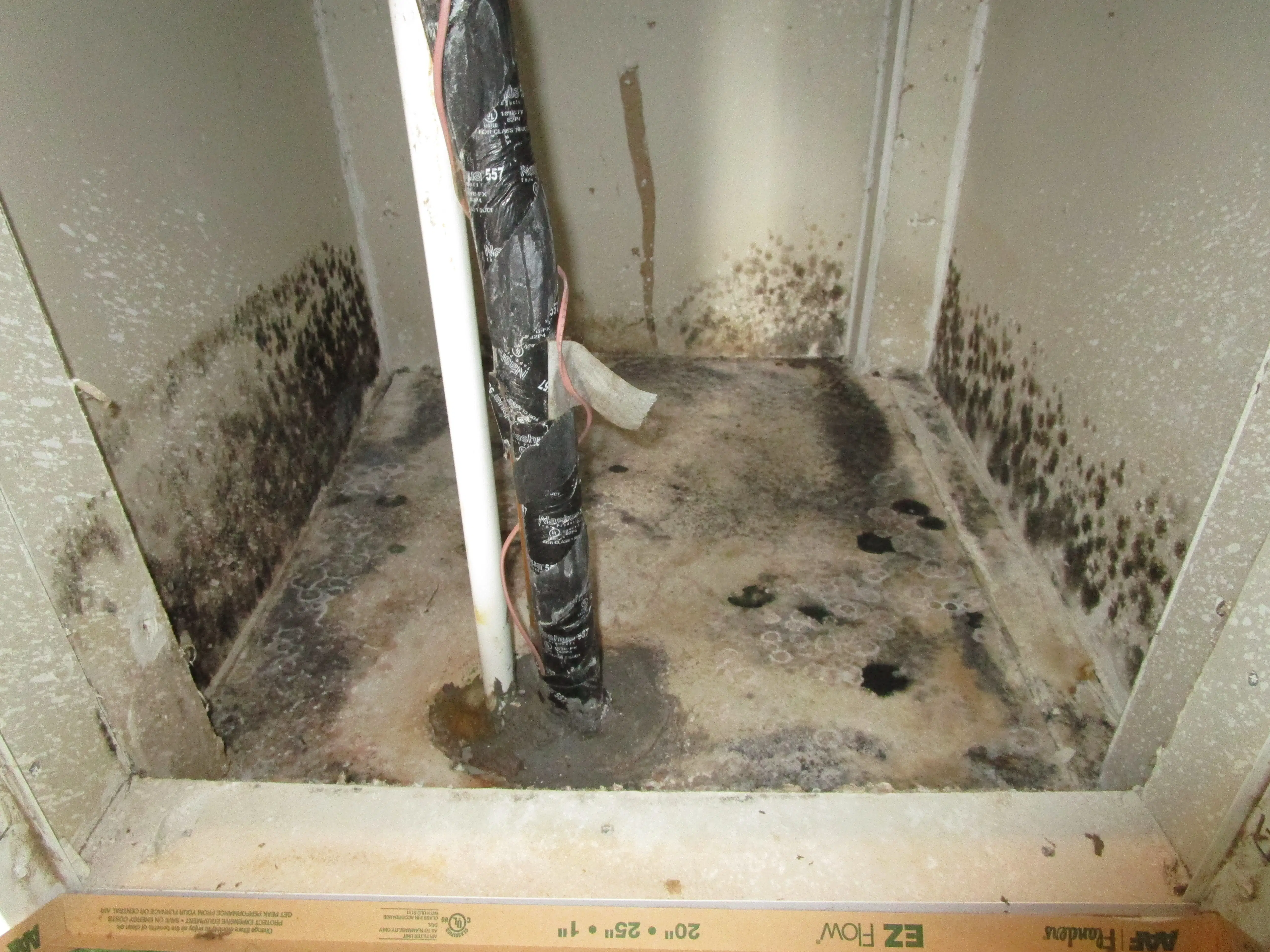
Extensive black microbial growth and moisture damage inside an HVAC closet

Common blind spots where mold flourishes include:

  • Inside HVAC Systems and Ductwork: Your heating and cooling system circulates air throughout every room. If condensation accumulates in the handler or duct lining, mold spores can multiply rapidly and disperse across the entire house every time the system kicks on.
  • Behind Drywall and Baseboards: Slow plumbing leaks, window frame seepage, or roof leaks saturate framing and drywall paper from the inside out, creating hidden reservoirs of mold before any staining appears on the painted surface.
  • Under Flooring and Subfloors: Bathrooms, kitchens, and laundry rooms frequently experience micro-leaks around fixtures and appliances. Water seeps beneath vinyl, tile, or laminate flooring, creating trapped moisture pockets.
  • Attics and Crawlspaces: Poor attic ventilation, wet crawlspaces, or unsealed roof penetrations allow ambient moisture to condense on wooden roof decking, subflooring, and framing.

Advanced Professional Tools of the Trade

Professional mold inspectors do not rely on guesswork or a strong sense of smell. At Veteran Home Inspections, we utilize specialized, non-invasive diagnostic tools designed to locate moisture and microbial activity before tearing down your walls:

Thermal Imaging Cameras

Infrared thermography detects minute surface temperature variations. Because damp materials hold thermal energy differently than dry materials, a thermal camera instantly highlights hidden wet spots behind walls or ceilings, pointing directly to potential mold breeding grounds.

Precision Moisture Meters

Pin and pin-less moisture meters measure the exact saturation percentage of building materials like wood, drywall, and masonry. This allows our inspectors to map out moisture migration paths and identify active leaks.

Calibrated Air Sampling Pumps

Using professional spore trap cassettes and calibrated pumps, we draw precise volumes of indoor air to capture airborne particulate matter. These samples are sent to accredited independent laboratories for detailed species identification and concentration analysis.


Visual Inspection vs. Comprehensive Testing

A thorough professional mold assessment is a two-part process that combines a meticulous physical evaluation with scientific testing.

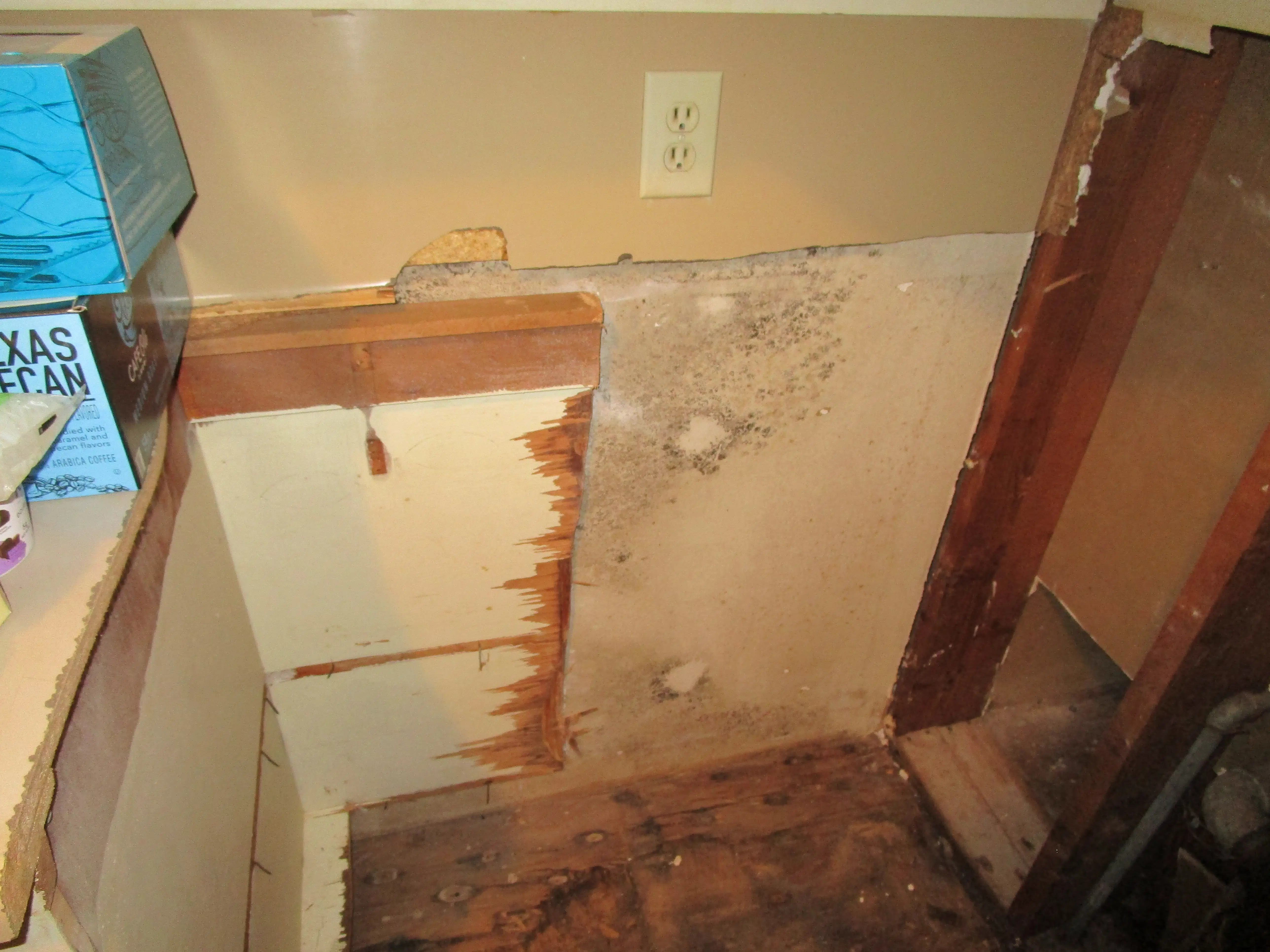
Visible mold and water damage on an exposed wall and floor paneling

During a visual inspection, the inspectors examine the property's exterior drainage, rooflines, plumbing fixtures, and interior living spaces for signs of past or active water intrusion. We check high-risk zones like under-sink plumbing cabinets and mechanical rooms for early indicators of trouble.

When conditions warrant testing, we gather targeted air and surface samples (such as tape lifts or swab samples of suspicious staining). The resulting laboratory report provides objective data, detailing whether spore concentrations exceed normal outdoor thresholds and identifying specific allergenic or toxic species present in the home.


Protecting Your Health and Property Value

Unaddressed mold can compromise structural wood framing, ruin drywall integrity, and trigger persistent allergic reactions, asthma attacks, and respiratory distress for occupants. For homebuyers in the San Antonio area, discovering mold after closing can lead to expensive remediation bills that derail your budget.

By investing in a comprehensive professional mold inspection before finalizing a real estate purchase or after experiencing a plumbing leak, you secure complete clarity regarding your indoor environment. You gain actionable, expert recommendations that target the root moisture source rather than merely cleaning surface blemishes.

Evidence of water damage and potential microbial growth underneath a kitchen sink baseboard


Schedule Your Professional Inspection Today

Don't leave your indoor air quality to chance or rely on inconclusive DIY test kits. When you need accurate, detailed insights into your property's condition, trust the experts who combine rigorous building science with military-grade precision and discipline.

Contact Veteran Home Inspections today at 210-202-1974 or visit our contact page to schedule your comprehensive property and air quality assessment across San Antonio, Boerne, Kerrville, and the surrounding Texas Hill Country communities.

Friday, August 7, 2026

The Difference Between Mold Testing and Mold Inspection : And Why You Need Both


Black mold growth around an HVAC vent signaling moisture issues

When purchasing a home or managing property maintenance in the Texas Hill Country, few discoveries invoke as much immediate concern as mold. Whether you are evaluating a historic property in Bandera, a suburban home in San Antonio, or new construction in Boerne or Kerrville, moisture and microbial growth can compromise indoor air quality and structural integrity.

However, a widespread point of confusion among homebuyers and property owners is the distinction between a mold inspection and mold testing. Too often, these terms are used interchangeably, leading to misguided expenditures, false aversions, or worse: untreated contamination that puts your health and investment at risk.

At Veteran Home Inspections, we believe that clarity is the foundation of smart property ownership. Below, we break down the fundamental differences between mold inspections and mold testing, explain why relying on only one creates dangerous blind spots, and outline our comprehensive protocol to protect your property.


What Is a Mold Inspection?

A mold inspection is a comprehensive, on-site investigative assessment of your property. Think of it as a forensic examination of your building envelope and HVAC systems. The primary goal of an inspection is not merely to find mold, but to locate the underlying moisture problems that allow mold to thrive.

During a professional mold inspection, the inspectors at Veteran Home Inspections utilize advanced diagnostic tools: such as high-resolution thermal imaging cameras and precision moisture meters: to evaluate areas prone to dampness.

Water intrusion and mold damage on a ceiling and upper wall

Key components of a professional mold inspection include:

  • Visual Assessment: Thoroughly examining every accessible room, crawlspace, attic, and basement for signs of water staining, discoloration, peeling paint, and active fungal growth.
  • Moisture Mapping: Scanning walls, baseboards, and subfloors with moisture meters to detect hidden dampness behind drywall or beneath flooring.
  • Thermal Imaging: Using infrared technology to identify temperature differentials caused by hidden plumbing leaks, roof breaches, or inadequate insulation.
  • HVAC Evaluation: Checking heating, ventilation, and air conditioning units and ductwork for condensation issues, microbial contamination, and filtration failures.

The outcome of a mold inspection is a detailed understanding of where moisture is entering your home, how far any existing contamination has spread, and what corrective measures are required to resolve the root cause. For more details on our diagnostic capabilities, visit our thermal imaging inspections page.


What Is Mold Testing?

While an inspection investigates the physical environment and moisture dynamics of a property, mold testing is a laboratory-based analytical process. Mold testing involves collecting physical samples from the property and sending them to an accredited independent laboratory for scientific evaluation.

There are two primary types of mold samples collected during testing:

  1. Air Samples: Using specialized calibrated pumps, air is pulled through collection cassettes to capture airborne spores. The lab analyzes these samples to measure spore concentrations per cubic meter and identify the genera present (such as Aspergillus, Penicillium, or Stachybotrys chartarum, commonly known as toxic black mold).
  2. Surface Samples: Utilizing tape lifts, swabs, or bulk material cuttings, inspectors collect visible residues or suspect accumulations from surfaces to confirm whether mold is present and determine its concentration.

Mold contamination inside an HVAC utility closet

It is important to understand what mold testing can and cannot do. Testing provides precise scientific data regarding the types and quantities of spores in a specific sample at a specific moment in time. However, mold testing does not tell you where the moisture is coming from or how to fix the building defect. A lab report listing high spore counts in a living room does not isolate whether the source is a leaky roof, a sweating AC duct, or a faulty window seal.


Why Doing One Without the Other Leaves Critical Gaps

Navigating property purchases or indoor air quality concerns requires complete information. Relying on only half of the equation exposes you to significant risk.

The Danger of Inspection Without Testing

If an inspector performs a thorough visual and thermal assessment and finds no visible mold or active moisture intrusion, testing is rarely necessary. However, if suspicious musty odors are present or occupants suffer from unexplained respiratory symptoms: yet no mold is visible: skipping testing leaves you guessing. Targeted air testing can confirm whether hidden mold reservoirs exist within wall cavities or HVAC ductwork, validating health concerns before you finalize a real estate transaction.

The Danger of Testing Without Inspection

Conversely, ordering a mail-order DIY mold test kit or hiring an unqualified technician to take air samples without conducting a comprehensive structural inspection is a recipe for wasted money.

  • The Spore Baseline Problem: Spores are naturally present in outdoor air everywhere in Texas. Without professional interpretation, air test numbers lack context.
  • The Blind Spot: If a lab report reveals high concentrations of Stachybotrys, but no inspection was performed to locate the active water leak feeding the colony, you are treating a symptom while the root cause continues to rot your framing and drywall.

Exposed wall and floor showing advanced water damage and mold growth

As highlighted on our services page, true peace of mind requires connecting the dots between physical building conditions and lab analysis.


Our Proven Process: Inspection First, Targeted Testing Second

At Veteran Home Inspections, we follow a rigorous, methodical protocol designed to give you actionable insights without unnecessary expenses.

  1. Comprehensive Initial Inspection: We begin with a meticulous physical inspection of the property, utilizing our construction background, thermal cameras, and moisture meters to map out every square foot of concern: from under-sink plumbing cavities to complex attic assemblies.
  2. Evaluation of Findings: If we identify active water leaks, damp building materials, or visible fungal growth (such as under-sink moisture accumulation or HVAC closet contamination), we document the exact source and outline immediate remediation steps. In many cases, fixing the moisture source and cleaning the surface resolves the issue completely, rendering costly lab testing redundant.
  3. Strategic, Targeted Testing: When our inspection reveals hidden risk factors, musty odors without obvious sources, or when clients require baseline documentation for health or real estate negotiations, we deploy precise, targeted sampling. We place air and surface tests in exact locations where our diagnostics indicate a high probability of hidden issues.
  4. Actionable Reporting: Within 24 hours of completing our assessment, you receive a detailed, comprehensive report outlining our findings, photographic evidence, and clear recommendations.

Protect Your Investment With Veteran-Led Precision

Mold is not just an aesthetic nuisance; left unchecked, it degrades indoor air quality, triggers chronic allergies, and accelerates structural deterioration. Whether you are closing on a dream home or maintaining an established property in San Antonio, Boerne, Kerrville, or Bandera, understanding your environment requires expert guidance.

Combine our rigorous inspection standards with our commitment to veteran-owned excellence. We invite you to explore our FAQ and testimonials to see why homeowners across the Texas Hill Country trust our certified expertise.

Don't leave your indoor air quality to guesswork. Request your inspection today or call us directly at 210-202-1974 to schedule a comprehensive evaluation with the professionals at Veteran Home Inspections.

Monday, August 3, 2026

That Musty Smell in Your San Antonio Home Isn't 'Normal' : Here's What It Costs You


Mold contamination in an HVAC closet showing extensive microbial growth

It is easy to write off a lingering, earthy odor in your home as just a quirk of living in South Texas. With our subtropical climate, high humidity, and sudden rainstorms, many homeowners assume that a musty smell in the hallway, laundry room, or near the air conditioning vents is simply part of the package.

At Veteran Home Inspections, we are here to set the record straight: musty smells are never normal. That odor is the distinct signature of active microbial growth: commonly known as mold. When you smell mold, you are inhaling microscopic spores and volatile organic compounds (VOCs) released by colonies feeding on hidden moisture behind your walls, under your flooring, or inside your HVAC ductwork.

Ignoring that smell does not make it go away; it only drives up the ultimate cost. From stealthy property value destruction and aggressive health consequences to staggering professional remediation bills, let's examine what that musty odor is actually costing you.


The Hidden Health Toll: Breathing San Antonio's Spores

When mold colonies thrive in damp, unventilated spaces, they release millions of spores into your indoor air. While healthy adults may experience minor irritation, vulnerable members of your household face severe health consequences.

1. Respiratory Distress and Asthma Aggravation

Mold exposure is a well-documented trigger for asthma attacks, chronic coughing, wheezing, and shortness of breath. If you or your family members find yourselves waking up with persistent nasal congestion, itchy eyes, or sore throats that mysteriously clear up when you leave the house, your indoor air quality is likely compromised.

2. Chronic Fatigue and Neurological Symptoms

Beyond respiratory irritation, toxic mold species (such as Stachybotrys chartarum, or black mold) can produce mycotoxins. Prolonged exposure to these toxins can lead to chronic fatigue, headaches, difficulty concentrating, and skin rashes.

When you address a musty smell early through a thorough mold inspection, you are not just protecting your building materials: you are safeguarding your family's physical well-being.


The Property Value Penalty: The Cost of a Failed Sale

If you are planning to sell your Texas Hill Country home, a musty odor is the ultimate deal-breaker. Buyers today are hyper-aware of moisture issues, and savvy home inspectors carry moisture meters and thermal cameras to sniff out hidden water damage instantly.

Black mold staining around a bedroom HVAC vent indicating moisture issues

1. Failed Buyer Negotiations and Price Slashes

When a prospective buyer walks into a home and catches a whiff of mold, their immediate reaction is panic. Even if the underlying issue is minor, buyers will often demand thousands of dollars in concessions, or they will walk away from the transaction entirely. A failed sale sits on the market longer, costing you mortgage payments, property taxes, and carrying costs.

2. Disclosure Liabilities

In Texas real estate transactions, sellers are required to disclose known material defects. If you ignore a musty smell and attempt to mask it with air fresheners or candles prior to listing, you expose yourself to severe legal liability and post-closing litigation if the buyer discovers undisclosed mold down the road.


The Financial Shock: Remediation and Repair Costs

Many homeowners delay investigating a musty smell because they fear the cost of fixing it. Ironically, waiting turns a manageable moisture issue into a five-figure disaster.

  • Small, Contained Areas ($500 – $1,500): Catching a small mold patch behind a bathroom vanity or under a sink early keeps remediation costs relatively low.
  • Moderate One-Room Infestations ($1,500 – $4,000): If moisture has penetrated drywall or flooring across an entire room due to a slow plumbing leak, professional containment, demolition, and sanitization will be required.
  • Whole-Home or HVAC System Remediation ($8,000 – $25,000+): When mold infiltrates air ducts, spreads through multiple rooms, or rots structural framing, remediation requires extensive containment barriers, HEPA air scrubbers, structural drying, and complete reconstruction.

By investing in professional diagnostic services early, you can intercept moisture issues before they require major structural overhauls. Explore our comprehensive services to see how we help homeowners protect their investments.


Professional Mold Inspection vs. DIY Cleaning: When to Call the Experts

When you spot a small patch of mold on tile grout or a window sill, a bit of household cleaner and elbow grease might suffice. However, a persistent musty smell with no visible source is a completely different scenario.

Water intrusion and mold damage peeling paint on an upper wall

Here is how to know when it is time to bring in certified professionals:

  • The Odor Lingers: If the smell remains after deep cleaning, the source is hidden inside wall cavities, subfloors, or ductwork.
  • The Affected Area Exceeds 10 Square Feet: EPA guidelines recommend professional containment and removal for larger contamination zones to prevent spreading spores throughout the house.
  • Recent Water Damage or Flooding: If your home has experienced roof leaks, plumbing failures, or AC condensation overflows, hidden mold is almost certainly developing.
  • Health Symptoms Present: If anyone in your home suffers from unexplained respiratory issues or allergies, do not attempt DIY remediation, as disturbing the mold can release massive spore loads into the air.

Uncovering Hidden Culprits: How Veteran Home Inspections Can Help

Finding the root cause of a musty smell requires specialized tools and construction knowledge. At Veteran Home Inspections, our Certified Master Inspectors utilize advanced diagnostic equipment: including thermal imaging cameras and moisture meters: to trace water intrusion to its source.

Exposed wall and floor area showing mold growth and water damage

Whether you are buying a new property, preparing to list your home, or simply worried about indoor air quality in San Antonio, Boerne, Bandera, or Kerrville, we provide actionable insights and rapid, detailed reports within 24 hours.

Do not let a hidden moisture problem drain your bank account and threaten your health. Take control of your home environment today.

Contact Veteran Home Inspections or request an inspection online to schedule your professional mold assessment and ensure your property is safe, clean, and sound.

Tuesday, May 19, 2026

Mold Inspection San Antonio: 5 Things You Should Know About Texas’s New Regulatory Changes


A professional mold inspector using a moisture meter in a bright San Antonio home.

San Antonio is known for many things: the historic River Walk, the vibrant culture, and unfortunately, a climate that is practically a petri dish for mold growth. With our high humidity levels and intense summer heat, moisture intrusion in Texas homes is not a matter of "if," but "when." Whether it is a slow leak under a kitchen sink or a failing HVAC system in a humid attic, mold can quickly become a silent threat to both your property’s structural integrity and your family’s health.

Recently, the regulatory landscape regarding mold in Texas underwent a significant shift. On September 1, 2025, Senate Bill 1255 (SB 1255) officially went into effect, bringing sweeping changes to how mold inspections and remediations are handled across the state. If you are a homeowner or a buyer looking for a mold inspection in San Antonio, these changes directly impact who you hire and the level of protection you receive.

At Veteran Home Inspections, we believe that an informed client is a protected client. We have analyzed these new regulations to explain exactly how they affect you. Here are five things you need to know about the new Texas mold regulatory changes and why they matter for your San Antonio property.

1. Mandatory Individual Licensing for All Workers

The most significant change introduced by SB 1255 is the end of the "supervision exemption." In the past, a mold remediation or assessment company could operate with one licensed supervisor overseeing several unlicensed workers. This often led to inconsistencies in quality and accountability, as the individuals actually performing the work in your home might not have undergone formal training or background checks.

What has changed: As of September 2025, every single individual who performs mold assessment or remediation activities must hold their own valid license or registration from the Texas Department of Licensing and Regulation (TDLR). There are no more shortcuts.

Why this matters to you: This change ensures a much higher baseline of expertise. When you hire the inspectors at Veteran Home Inspections, you are guaranteed that the professional entering your home has met the state’s rigorous standards for education and ethical conduct. Individual licensing promotes accountability; it prevents "fly-by-night" operations from using untrained labor to cut costs, which ultimately protects the air you breathe.

Evidence of mold contamination in an HVAC closet, a common finding during professional inspections.

2. Updated Definitions and the Removal of Mycotoxins

Regulatory language often sounds like "legalese," but the definitions determine what is legally considered a hazard. SB 1255 removed "mycotoxins" from the official state definition of mold in §1958.001(4) of the Occupations Code.

What has changed: While this might seem like a technicality, it narrows the scope of what the TDLR regulates. The state is focusing its regulatory oversight on the physical presence of mold spores and fungal growth rather than the chemical byproducts (mycotoxins) they may release.

Why this matters to you: This change places a heavier emphasis on the physical inspection and air sampling process. It means that your mold inspection must be thorough enough to identify the source of moisture and the presence of spores. At Veteran Home Inspections, we use advanced tools like thermal imaging to find hidden moisture behind walls that traditional "visual-only" inspections might miss. Even if the state definition has shifted, our commitment to identifying the root cause of your air quality issues remains unchanged.

3. The "Judge and Jury" Rule: Assessment vs. Remediation

A critical component of Texas mold law that remains strictly enforced (and further clarified by the new rules) is the separation of duties. Under Texas law, the company that performs the Mold Assessment (the inspection and testing) cannot be the same company that performs the Mold Remediation (the actual cleanup) on the same project.

The conflict of interest: If a company tells you that you have a mold problem and then offers to fix it for $5,000, they have a massive financial incentive to find "problems" that might not exist. This is a clear conflict of interest. Unfortunately, we still find companies doing exactly this, sometimes by using a different "Doing Business As" name to try to hide the affiliation between the assessor an remediator.

How we protect you: Veteran Home Inspections is an independent assessment firm. We do not perform remediation. This independence is your greatest asset. We provide an unbiased, third-party evaluation of your property. If we find an issue, we provide a detailed Mold Remediation Protocol that you can take to any licensed remediator. This ensures you only pay for the work that is truly necessary, saving you thousands of dollars in unneeded repairs.


4. The Critical Role of the Certificate of Mold Damage Remediation (CMDR)

In San Antonio's competitive real estate market, property value is everything. If your home has ever had a mold issue that required remediation, state law requires a Certificate of Mold Damage Remediation (CMDR) to be issued.

The regulatory requirement: To receive a CMDR, a licensed Mold Assessment Consultant must perform a "clearance inspection" after the remediation is finished to verify that the area is safe and the moisture source has been corrected.

Why this matters to you:

  • Property Value: When you go to sell your home, you are legally required to disclose past mold issues. A CMDR is your "get out of jail free" card. It proves to the buyer (and their lender) that the problem was handled professionally and verified by a third party.
  • Insurance: Most insurance companies in Texas will not provide coverage for a home that has a history of mold unless a CMDR is on file.
  • Peace of Mind: Knowing that a Certified Master Inspector has cleared your home gives you the confidence that the air in your home is safe for your family.

Certified Master Inspector badge representing the highest level of expertise in the industry.

5. The San Antonio Humidity Factor and Maintenance

While the laws have changed, the San Antonio climate has not. Our region’s humidity often exceeds 60%, which is the "danger zone" for mold growth. The new regulations emphasize that property owners must take proactive steps to maintain their structures to prevent regulated mold conditions from occurring.

Actionable Advice for San Antonio Homeowners:

  • Monitor Humidity: Keep your indoor relative humidity below 50%. Use a hygrometer to track this, especially in laundry rooms and basements.
  • Inspect HVAC Units: Your air conditioner is your primary dehumidifier. If it isn't cooling or draining correctly, it becomes a mold factory. We often find significant mold growth in HVAC closets during our standard home inspections.
  • Address Leaks Immediately: In the Texas heat, mold can begin to colonize in as little as 24 to 48 hours after a water event.

By following a proactive maintenance schedule and utilizing professional inspections, you can avoid the costly and stressful remediation process altogether.

Why Choose Veteran Home Inspections?

Navigating the new SB 1255 regulations can be confusing, but you don't have to do it alone. At Veteran Home Inspections, we bring a level of discipline and attention to detail that only a veteran-owned business can provide. We are not just looking for spots on a wall; we are evaluating the entire ecosystem of your home to ensure it is a safe, healthy environment.

We provide comprehensive reports within 24 hours, giving you the data you need to make informed decisions quickly. Whether you are buying a new home in Boerne, selling a property in San Antonio, or managing a commercial building in the Hill Country, we have the credentials and the local expertise to protect your interests.

Don’t leave your health or your property value to chance. If you suspect moisture issues or want to ensure your prospective new home is mold-free, contact the experts at Veteran Home Inspections today.

Call us at 210-202-1974 or visit our Contact Page to schedule your professional mold inspection in San Antonio.

Evidence of water intrusion and mold growth on a ceiling, highlighting the need for expert assessment.

Wednesday, May 13, 2026

Don't Let Mold Kill Your Deal: Navigating San Antonio's Humidity


Thermal image showing water

San Antonio is known for many things: the historic Alamo, the vibrant River Walk, and unfortunately, a climate that acts as a greenhouse for microbial growth. In South Texas, the combination of high humidity and heat isn't just uncomfortable for residents: it is the perfect recipe for mold. For homebuyers and sellers, an undetected mold issue is one of the fastest ways to derail a real estate transaction, leading to collapsed deals, legal disputes, and significant financial loss.

At Veteran Home Inspections, we understand that mold is more than just a cosmetic blemish; it is a structural and health concern that requires a professional, technical approach. If you are navigating the San Antonio real estate market, you must understand how humidity impacts your property and why a specialized mold inspection in San Antonio is a non-negotiable step in your due diligence.

The Humidity Factor: Why San Antonio is a Mold Paradise

The science of mold is simple: it requires spores, a food source (like drywall or wood), and moisture. While you cannot eliminate spores or building materials, you can control moisture. However, in San Antonio, environmental moisture is often beyond a homeowner's direct control.

With average humidity levels frequently climbing above 50%, the air itself can provide enough moisture to trigger mold growth, especially in stagnant areas like attics, crawlspaces, and behind heavy furniture. When warm, humid air meets the cooler surfaces of a home: such as HVAC vents or windows: condensation forms. This "micro-moisture" is all a colony needs to establish itself.

San Antonio Suburban Home

Identifying the Red Flags: Visible vs. Hidden Mold

You might think that mold is easy to spot, but the most dangerous infestations are often the ones you cannot see. While a standard home inspection might note "apparent microbial growth," a dedicated mold inspection goes much deeper.

Visible Indicators

Visible mold often appears as staining or spotting on surfaces. In our region, we frequently see:

  • HVAC Staining: Dark spots around ceiling vents, often caused by condensation and poor duct insulation.
  • Under-Sink Damage: Bubbling cabinet bases or dark spots around P-traps.
  • Baseboard Discoloration: Often indicating a slow leak behind the wall or a slab moisture issue.

Mold on Ceiling Vent

Hidden Indicators

If you notice a persistent "musty" or "earthy" odor, you are likely smelling mold spores even if you can't see them. In many San Antonio homes, mold hides in:

  • The Wall Cavities: Leaks from window flashing or roof eaves can saturate insulation, allowing mold to thrive unseen for years.
  • HVAC Closets: Dark, damp, and poorly ventilated, these areas are high-risk zones for microbial growth.
  • Attic Mechanicals: Condensate drain lines that are improperly installed or clogged can leak directly into the home’s structure.

Hidden Wall Mold

Why Mold Testing is Crucial for Your Real Estate Deal

In a real estate transaction, uncertainty is the enemy. Buyers are often spooked by the word "mold," and without professional data, they are likely to walk away from the deal. Conversely, sellers who ignore potential issues may face liability and lower offers.

For Homebuyers: Negotiating Power and Safety

When you invest in a mold inspection in San Antonio, you are buying peace of mind. Our inspectors at Veteran Home Inspections use advanced tools like thermal imaging and moisture meters to find what the naked eye misses.

  • Avoid Post-Purchase Costs: Remediation can cost thousands. Knowing the extent of the issue allows you to request repairs or credits before you close.
  • Health Protection: For families with allergies or respiratory conditions, ensuring a home has high indoor air quality is a medical necessity.

For Home Sellers: Speed and Disclosure

In Texas, you are legally required to disclose known mold issues. By ordering a pre-listing mold inspection, you take control of the narrative.

  • Build Buyer Trust: Providing a clean professional report or proof of professional remediation eliminates a major hurdle for potential buyers.
  • Prevent Last-Minute Drama: Finding mold during the buyer’s option period can lead to aggressive repair requests or a terminated contract. Addressing it early keeps your sale on track.

The Professional Mold Inspection Process

At Veteran Home Inspections, we don't just "look" for mold; we analyze the environment. Our process is designed to give you a definitive answer.

  1. Visual Assessment: We perform a comprehensive walk-through, focusing on high-risk areas and moisture entry points.
  2. Moisture Mapping: Using moisture meters and thermal cameras, we identify "hot spots" of moisture behind walls and under floors.
  3. Air and Surface Sampling: We collect samples to be analyzed by an accredited laboratory. This determines the type of mold and the concentration of spores in the air compared to the outdoors.
  4. Detailed Reporting: You receive a clear, easy-to-read report within 48 hours, detailing our findings and recommendations.

Mold Testing in progress

Choosing an Expert You Can Trust

When hiring a mold inspector, credentials matter. You should always look for a Certified Master Inspector who understands the unique construction techniques and climate challenges of the San Antonio and Hill Country areas.

As a veteran-owned business, Veteran Home Inspections brings a level of discipline, detail, and integrity to every job. We don't just find problems; we help you understand their severity and the path to a solution. We offer a comprehensive warranty package because we stand behind our work and our commitment to your safety.

Master Inspector Badge

Conclusion: Protect Your Investment Today

Don't let the humidity of San Antonio turn your dream home into a financial nightmare. Whether you are a first-time buyer or an experienced investor, professional mold testing is the only way to ensure the property is safe and sound.

The inspectors at Veteran Home Inspections are ready to provide the clarity you need. We serve clients throughout San Antonio, Boerne, and the surrounding Texas Hill Country with the professional expertise that only a Certified Master Inspector can offer.

Take the first step toward a safe home and a secure deal. Contact Veteran Home Inspections today at 210-202-1974 or visit vhillc.com to schedule your inspection.


Monday, April 13, 2026

Stucco Secrets: The Invisible Moisture Problems Hiding in San Antonio Homes

 Modern Stucco Home in San Antonio

Stucco is one of the most popular exterior finishes in San Antonio and the surrounding Texas Hill Country. Its timeless, Mediterranean-inspired aesthetic and perceived durability make it a top choice for luxury builds and modern renovations alike. However, for many homeowners, that beautiful exterior hides a costly secret.

In our specific South Texas climate, stucco is not a "set it and forget it" material. The combination of intense humidity, seasonal downpours, and shifting soils creates a perfect storm for moisture intrusion. Because stucco is a porous, cement-based material, it behaves more like a sponge than a shield if it isn't perfectly installed and maintained.

The most dangerous part? By the time you see evidence of a problem on your interior walls, the structural damage behind the stucco has often been occurring for years.

Why the San Antonio Climate is a Threat to Your Stucco

You might associate stucco with the dry, arid climates of Arizona or New Mexico, where it performs exceptionally well. But San Antonio is different. We experience high humidity and sudden, heavy rainfall that puts immense pressure on a home’s "building envelope."

When moisture hangs in the air, stucco absorbs it. Without a properly designed drainage plane behind the finish, that water has nowhere to go. It sits against your wood framing, your sheathing, and your insulation. In the San Antonio heat, this trapped moisture creates a literal incubator for rot and organic growth.

The Hidden Enemy: What Happens Behind the Surface

Most homeowners believe that if the exterior looks clean and the interior paint isn't bubbling, their home is dry. Unfortunately, this is a dangerous assumption. Stucco moisture problems are almost always "blind" issues.

  1. The Sponge Effect: Stucco naturally absorbs water. If the system was installed without a proper "weep screed" at the bottom of the wall, that water cannot escape. It remains trapped, slowly saturating the wooden components of your home.
  2. The Vapor Drive: As the Texas sun beats down on a damp stucco wall, it pushes that moisture inward toward the cooler, air-conditioned interior of your home. This "vapor drive" can force moisture through your house wrap and into your wall cavity.
  3. Compromised Insulation: Wet insulation loses its R-value, meaning your home becomes less energy-efficient. You’ll find yourself paying more for cooling while the moisture continues to degrade your home's skeleton.

Utilizing thermal imaging inspections is one of the only ways to detect these issues before they become visible to the naked eye.

4 Warning Signs You Cannot Afford to Ignore

While many issues are hidden, your home will often provide subtle clues that something is wrong. As a Certified Master Inspector, I recommend looking for these specific "red flags" during your monthly walk-around.

1. "Stucco Tears" (Brown Staining)

If you notice vertical brown or dark streaks appearing below the corners of your windows or where your roof meets a wall, you are looking at "stucco tears." These stains are usually the result of water getting behind the stucco and washing out the tannins from the wood or dirt from the wall cavity. This is a clear indicator that your flashing is either missing or failing.

2. Efflorescence (White Chalky Deposits)

You may see a white, powdery substance on the surface of your stucco. This is called efflorescence. It occurs when water moves through the stucco and carries minerals to the surface. While the powder itself isn't the problem, its presence proves that a significant amount of water is moving through your walls.

3. Deteriorated Caulking Around Windows and Doors

The seal between your stucco and your windows is your first line of defense. In San Antonio, the sun can bake this caulk until it cracks and pulls away. Once that seal is broken, every rainstorm sends gallons of water directly into your wall framing.

4. Cracks Larger Than a Credit Card

Small hairline cracks are common as homes settle, but any crack large enough to stick a credit card into is a gateway for moisture. These cracks need to be professionally evaluated and sealed to prevent systemic failure.

The Structural Reality: Rot and Mold

The end-game for ignored stucco moisture is structural failure. We have seen San Antonio homes where the OSB (oriented strand board) sheathing has turned into the consistency of wet cardboard.

When your home's framing remains damp, it invites wood-destroying insects and mold. Mold in your wall cavities isn't just a repair issue; it’s a health issue. Because we spend so much time indoors with the AC running, the negative pressure in the house can pull mold spores from the wall cavities into your living space.

If you are buying a home, a standard inspection may not be enough to catch these nuances. You need an inspector with a background in construction management who understands how these layers are supposed to be integrated.

Why a Professional Inspection is Mandatory

Because stucco issues are often invisible, you cannot rely on a simple visual "walk-through" by a general contractor. At Veteran Home Inspections, we utilize advanced tools to bridge the gap between what you see and what is actually happening.

  • Thermal Imaging: We use infrared technology to find temperature anomalies in your walls. Wet materials retain heat differently than dry ones, allowing us to "see" moisture through the stucco.
  • Moisture Metering: If we suspect an issue, we use specialized moisture meters to confirm the presence of high moisture levels.
  • Flashing Evaluation: We check every critical junction: kick-out flashing, window headers, expansion joints, and deck attachments: to ensure water is being diverted away from the structure, not into it.

Protecting Your Investment

If you own a stucco home in San Antonio, or if you are considering purchasing one, don't leave the condition of your walls to guesswork. Stucco is a high-performance system that requires high-performance oversight.

Whether you need a pre-listing inspection to ensure your sale goes smoothly or a comprehensive standard home inspection for a new purchase, getting the facts about your stucco is the only way to prevent a five-figure repair bill down the road.

Don't wait for the stains to appear on your drywall. Contact Veteran Home Inspections today to schedule a professional evaluation and ensure your home is truly protected against the Texas elements.

Certified Master Inspector Badge


Summary Checklist for Stucco Homeowners:

  • Check your kick-out flashing: Ensure water from the roof isn't dumping directly into the side of a stucco wall.
  • Inspect the weep screed: Ensure the bottom edge of your stucco is at least 4 inches above the earth and 2 inches above pavement.
  • Seal the gaps: Replace dried or cracked sealant around windows, doors, and light fixtures every 2-3 years.
  • Get a professional scan: Schedule a thermal imaging inspection every few years to catch moisture before it causes rot.

Friday, April 10, 2026

Cracks and Concerns: When Your San Antonio Stucco Needs a Professional Look

 Modern San Antonio home with a clean stucco exterior

Stucco has long been the gold standard for high-end residential architecture in the San Antonio and Texas Hill Country areas. Its durability, fire resistance, and classic Mediterranean aesthetic make it a premier choice for homeowners in Boerne, Bandera, and beyond. However, because stucco is a rigid material, it is also prone to cracking.

For many homeowners, the sight of a single fracture on their exterior wall triggers immediate anxiety. Is your home’s foundation shifting? Is water seeping into your wall cavities? Or is this simply a natural part of the material’s curing process? Understanding the difference between a cosmetic "hairline" crack and a major structural red flag is essential for protecting your investment and your peace of mind.

The San Antonio Climate vs. Your Stucco Exterior

San Antonio presents a unique set of challenges for any rigid building material. The primary culprit is the combination of intense Texas heat and expansive clay soils. During the summer, the sun beats down on your stucco, causing the material to expand. At night, or during a sudden storm, it cools and contracts. Over time, this thermal cycling puts immense stress on the exterior shell of your home.

Furthermore, the soil in the Hill Country is notorious for shifting. As the clay absorbs moisture or dries out during a drought, your foundation moves. Because stucco does not "flex" like wood or vinyl siding, it reacts to these shifts by cracking. Knowing how to interpret these cracks is the first step in responsible home maintenance.

Hairline Cracks: The "Normal" Signs of Life

Not every crack in your stucco is a cause for alarm. In fact, nearly every stucco home will develop minor fractures at some point. These are typically classified as "hairline" cracks: usually less than 1/16 of an inch wide (about the thickness of a credit card).

Why Hairline Cracks Occur:

  • Curing and Shrinkage: As new stucco dries, the water evaporates, causing the material to shrink slightly. This often results in small, spiderweb-like patterns.
  • Minor Settling: Every new home "settles" into the ground during its first few years. Small hairline cracks near windows and door frames are common results of this micro-movement.
  • Vibration: Homes near busy roads or construction sites may develop hairline cracks due to consistent ground vibration.

If you can barely fit the tip of a toothpick into the crack, it is likely a cosmetic issue. These can often be addressed with a high-quality elastomeric paint or a professional stucco patch during your regular maintenance cycle.

Red Flags: When Cracks Mean Structural Trouble

When a crack exceeds 1/16 of an inch, it is no longer just a cosmetic blemish; it is a structural warning sign. These larger gaps allow wind-driven rain to enter the wall system, which can lead to catastrophic internal damage before you ever see a drop of water inside your living room.

Identification of Serious Fractures:

  1. Width: If the crack is wide enough to insert a coin or a pen tip, you have a problem.
  2. Direction: While vertical cracks often relate to shrinkage, diagonal cracks running from the corners of windows or doors usually indicate significant foundation movement.
  3. Separation: If one side of the crack is protruding further out than the other (known as "offsetting"), the stucco is pulling away from the substrate. This suggests the lath or the attachment system has failed.
  4. Growth: If you mark the ends of a crack with a pencil and notice it has grown longer or wider over a month, the structural movement is active and needs an immediate professional home inspection.

The Stair-Step Warning: A Foundation Red Flag

One of the most concerning patterns an inspector looks for is the "stair-step" crack. This occurs when the stucco is applied over concrete blocks or a masonry base. As the foundation shifts, the stress follows the mortar lines of the blocks underneath, creating a jagged, step-like pattern.

Stair-step crack pattern on a stucco wall

If you see stair-step cracks, it is a clear indicator that the ground beneath your home is moving in a way that the structure cannot accommodate. Ignoring these signs can lead to windows that won't open, doors that stick, and eventually, expensive foundation repairs.

Moisture: The Silent Stucco Killer

In San Antonio, moisture is the most significant threat to a stucco home. Unlike brick, which is porous and "breathes," stucco is designed to shed water. If water gets behind the stucco through a crack or poor flashing, it becomes trapped.

Signs of Moisture Infiltration:

  • Staining and Streaking: Look for dark, brownish, or greenish streaks emanating from a crack. This is often "stucco tears," indicating that water is washing minerals and contaminants out from behind the wall.
  • Bubbling and Peeling: If the paint or the stucco itself is starting to bubble or "spall" (flake off), there is likely high hydrostatic pressure from moisture trapped inside.
  • Mold and Odors: If you notice a musty smell near an exterior wall or see visible mold growth on the stucco surface, the internal wood framing may already be rotting.

Moisture staining and damage on a stucco exterior

Moisture damage is particularly prevalent in EIFS (Exterior Insulation and Finish Systems), often called "synthetic stucco." While beautiful, EIFS requires expert installation and perfect sealing. If you suspect moisture issues, a mold inspection and testing service is the only way to confirm the extent of the growth behind your walls.

Thermal Imaging: Seeing Through the Surface

The challenge with stucco is that it hides its secrets well. You might have a massive pocket of moisture or a rotting stud behind a wall that looks perfectly fine to the naked eye. This is where professional technology becomes indispensable.

At Veteran Home Inspections, we utilize thermal imaging (infrared) technology to identify temperature anomalies. Because water-saturated materials retain heat differently than dry ones, an infrared camera can "see" the moisture hidden behind your stucco. This allows us to pinpoint the exact location of a leak without having to tear into your walls, saving you thousands of dollars in exploratory demolition.

The Veteran Home Inspections Advantage

When you are dealing with a material as complex as stucco, you cannot afford a "checkbox" inspection. You need an inspector who understands construction from the ground up.

As a Certified Master Inspector and a veteran-owned business, I bring a level of discipline and technical expertise to every job that goes beyond the standard. My background in construction management means I don't just tell you there is a crack; I explain why it happened and what the likely repair path will look like.

We serve the entire Texas Hill Country, including:

  • Boerne
  • San Antonio
  • Bandera
  • Kerrville

Whether you are buying a new home or noticing new cracks in your current residence, getting an authoritative assessment is the only way to protect your home's value. We provide detailed, easy-to-read reports within 24 hours, giving you the facts you need to make an informed decision.

Take Action Before the Next Storm

Don't wait for a heavy San Antonio rainstorm to find out if your stucco cracks are leaking. A proactive inspection today can prevent a structural failure or a mold colony tomorrow.

Ensure your home is safe, dry, and structurally sound.

Request Your Inspection Online or call us today to speak with a professional about your stucco concerns. At Veteran Home Inspections, we look deeper so you can sleep easier.