Late-summer humidity can expose moisture problems that remain hidden during drier months. In San Antonio and throughout the Texas Hill Country, a musty odor may become more noticeable when warm, humid air meets cool surfaces, poorly ventilated spaces, or an air-conditioning system working continuously.
A musty smell does not prove that mold is present. However, it is a signal that you should investigate the source rather than cover the odor with air fresheners or assume it is simply part of an older home.
Mold growth requires moisture and a suitable surface. If you identify one or more of the warning signs below, scheduling a professional mold inspection in San Antonio can help you determine whether the concern is related to active moisture, past water damage, indoor humidity, or another building condition.
1. Persistent Musty or Earthy Odors
A persistent musty, earthy, or “old basement” smell is one of the most common reasons homeowners request a mold inspection. The odor may be strongest in a closet, bathroom, bedroom, attic, crawl space, HVAC area, or room located below a plumbing fixture.
Do not assume the odor is harmless simply because you cannot see mold. Growth may be located:
- Behind drywall or paneling
- Under flooring or carpet
- Around HVAC equipment or ductwork
- Inside cabinets beneath plumbing fixtures
- In attics, crawl spaces, or wall cavities
- Near roof penetrations or exterior wall openings
Odors can also come from damp insulation, decaying building materials, plumbing leaks, or poorly ventilated areas. A professional inspection helps separate these possibilities so you can address the source instead of repeatedly treating the symptom.
What you should do: Note when and where the odor is strongest. Pay attention to whether it increases after rain, when the air conditioner runs, or when the home has been closed up. This information gives the inspector a useful starting point and can reduce unnecessary investigation.
2. Discoloration on Walls, Ceilings, or Other Surfaces
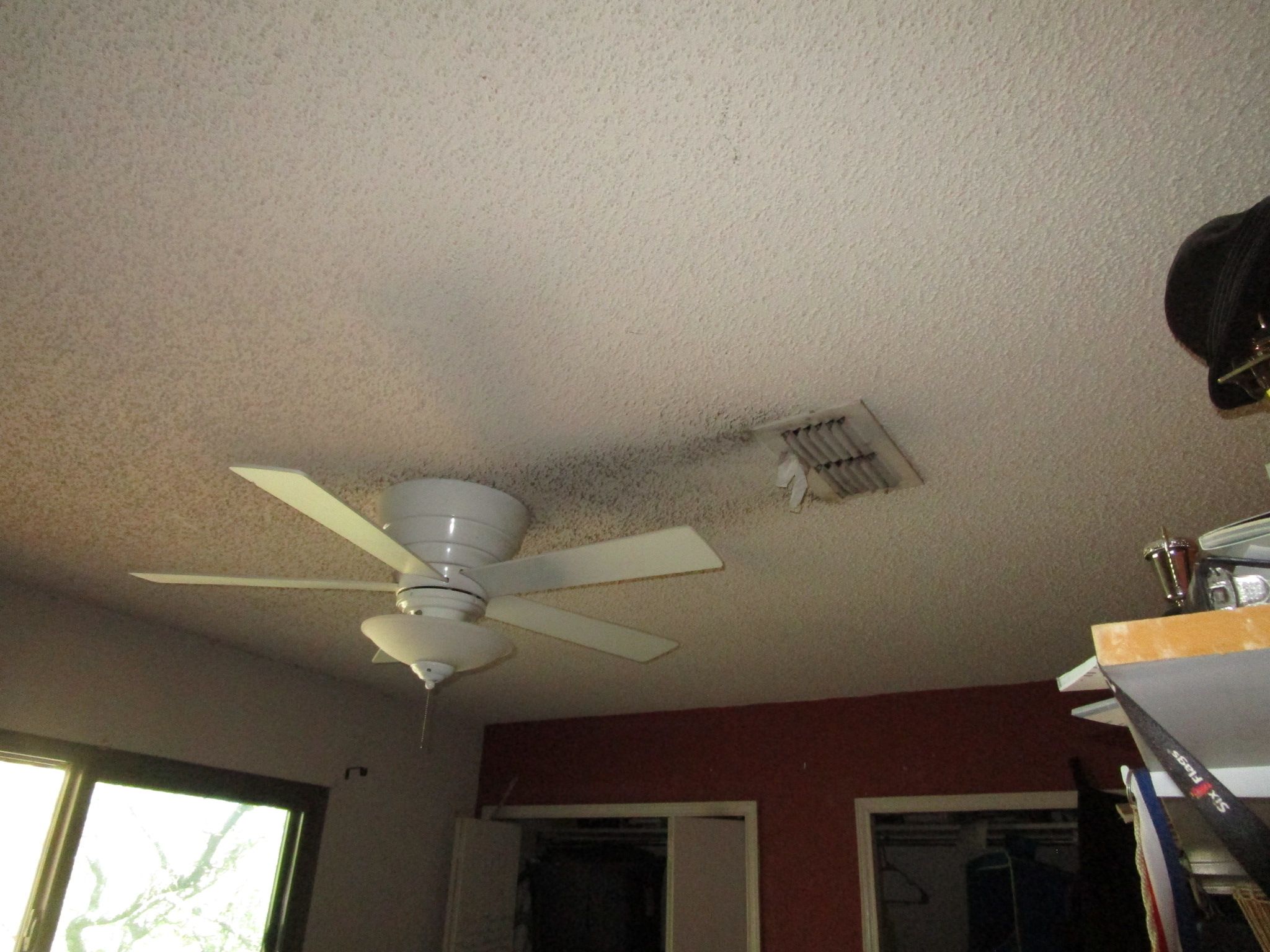
Brown, yellow, gray, green, or black discoloration may indicate water staining, microbial growth, or a combination of both. Peeling paint, bubbling drywall, swollen trim, and deteriorated caulk are also important indicators because they suggest that moisture has affected the material.

Pay particular attention to staining:
- Around ceiling vents and light fixtures
- Beneath bathrooms, kitchens, and laundry rooms
- Near windows and exterior doors
- Along baseboards and wall corners
- Around skylights, chimneys, and roof transitions
- In closets against exterior walls
A discolored area is not automatically mold. It may be an old stain that has dried, but a professional should still evaluate the surrounding material if the cause was never corrected. Painting over the area without identifying the moisture source can conceal a developing problem and make future repairs more disruptive.
What you should do: Avoid scraping, sanding, or disturbing suspicious material before it has been evaluated. Document the location with photographs and check whether the surface feels soft, damp, swollen, or unusually cool.
3. Past or Present Leaks
Even a leak that has been repaired can leave behind moisture-damaged materials. Water may have entered wall cavities, insulation, subflooring, or ceiling assemblies before the leak was discovered. If wet materials were not dried thoroughly, mold may develop later.
Common sources include:
- Roof leaks after heavy rain or storms
- Plumbing leaks beneath sinks or behind walls
- Overflowing tubs, toilets, or washing machines
- Air-conditioning condensate problems
- Foundation or exterior drainage issues
- Water intrusion around windows and doors
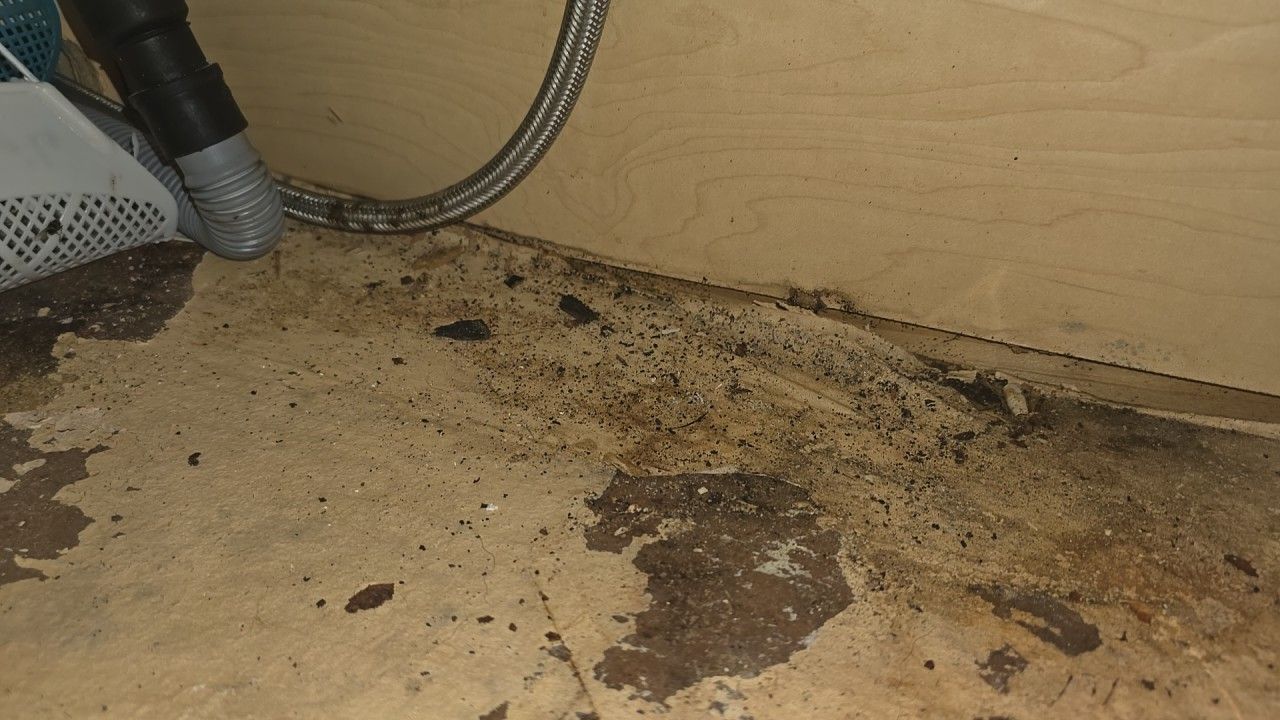
A previous owner may also have completed cosmetic repairs without resolving the original cause. Fresh paint, replacement trim, or patched drywall does not necessarily confirm that the affected area was properly dried and remediated.
What you should do: Gather any available repair records, insurance claims, plumber invoices, or information about prior flooding. Share those details with the inspector because the history of a leak can help determine where hidden moisture may remain.
If water is actively entering the home, stop the source first when possible and contact the appropriate plumbing, roofing, or water-damage professional. Mold inspection identifies conditions and concerns; it does not replace emergency leak repair or professional remediation.
4. Repeated Condensation Problems
Condensation occurs when warm, moisture-laden air contacts a cooler surface. In San Antonio’s hot and humid climate, this can happen around air-conditioning vents, ductwork, windows, uninsulated pipes, and poorly ventilated rooms.
One isolated instance of condensation may not indicate a major problem. Repeated moisture, however, can create conditions that support mold growth over time. Watch for:
- Water droplets on supply vents
- Damp areas around HVAC equipment
- Condensation on windows or cold-water pipes
- Rust or staining near duct connections
- Damp attic insulation
- Persistent humidity in bathrooms, closets, or bedrooms
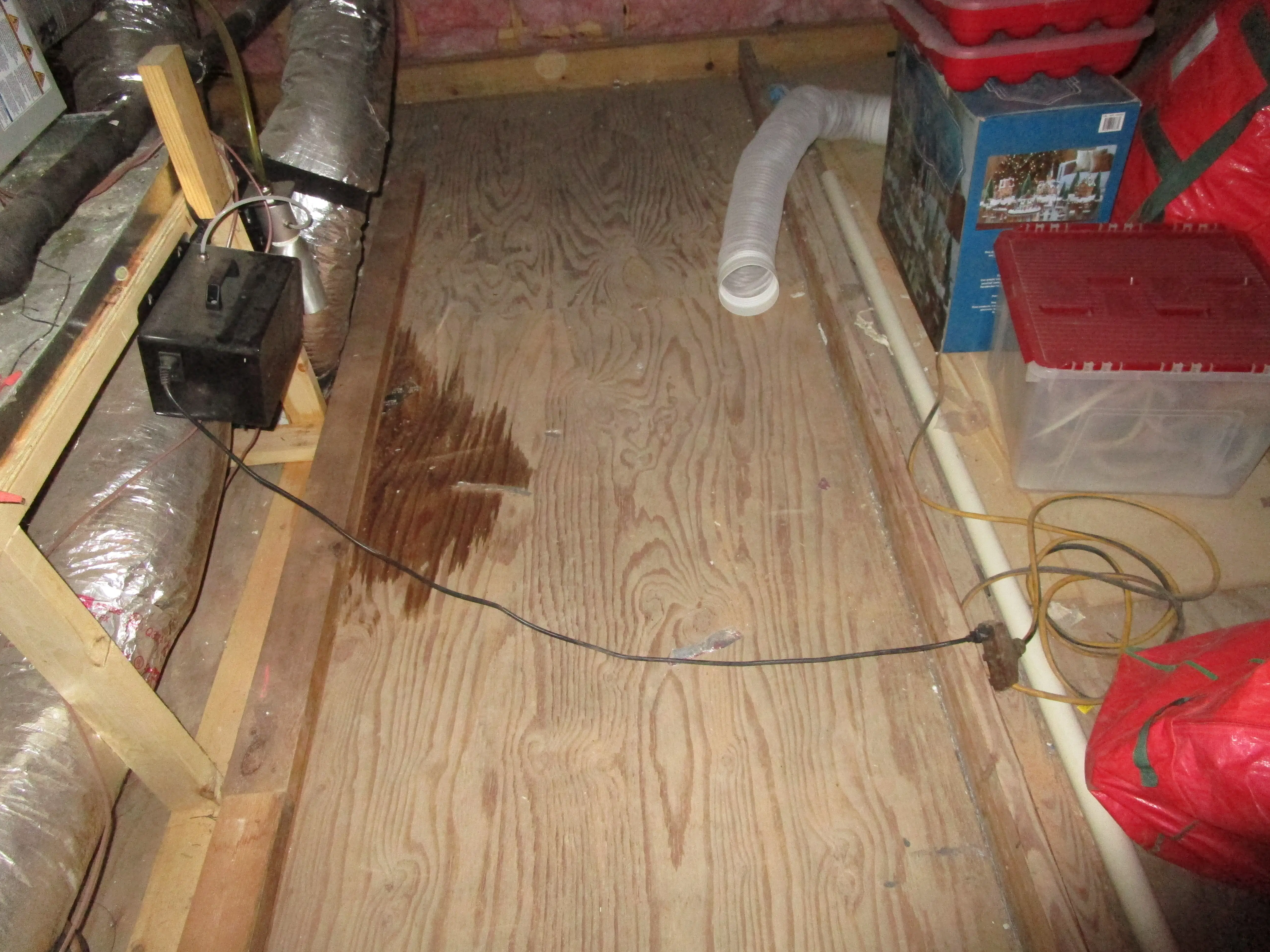
Condensation can also point to inadequate ventilation, blocked airflow, insulation gaps, excessive indoor humidity, or an HVAC drainage issue. Identifying the contributing condition benefits you in two ways: it helps reduce the chance of mold growth and can improve comfort and energy efficiency.
What you should do: Use bathroom exhaust fans during showers and for a period afterward. Keep HVAC filters clean, make sure supply and return vents are not blocked, and monitor indoor humidity with a reliable hygrometer. If condensation continues despite these steps, schedule an evaluation rather than relying on repeated cleaning.
5. Unexplained Allergy or Respiratory Symptoms
Mold and other indoor contaminants can aggravate allergy and respiratory symptoms in sensitive individuals. You may notice sneezing, congestion, coughing, eye irritation, wheezing, or asthma symptoms that seem worse in one room or improve after spending time away from the property.
These symptoms can have many causes, including seasonal pollen, dust, pets, cleaning products, and other environmental irritants. They do not establish that mold is present, and a home inspection cannot diagnose a medical condition.
However, a pattern is worth taking seriously: especially when symptoms occur alongside musty odors, visible staining, water damage, or recurring condensation.
What you should do: Consult a qualified medical professional about health concerns. At the same time, investigate the property if symptoms appear connected to specific rooms or building conditions. This two-part approach protects your health while helping you identify potential environmental contributors.
What Does a Professional Mold Inspection Include?
A thorough mold inspection in San Antonio should be based on the property’s history, visible conditions, moisture patterns, and the reason for the inspection. Depending on the scope, the evaluation may include:
Visual Inspection
The inspector examines accessible areas for visible growth, water staining, damaged materials, ventilation concerns, and conditions that could support microbial growth. This includes reviewing rooms, attics, crawl spaces, HVAC areas, plumbing locations, and other relevant portions of the property when accessible.
Moisture Evaluation and Infrared Imaging
Moisture meters help identify elevated moisture in building materials. Infrared imaging can reveal temperature differences associated with concealed moisture, missing insulation, or other conditions that are not apparent during a visual review.

Thermal imaging does not see through walls or identify mold directly. It is an investigative tool that can help the inspector target areas for further evaluation. Veteran Home Inspections uses professional infrared cameras during inspections to help identify hidden water leaks and other concerns.
Air and Surface Sampling
When appropriate to the inspection scope, air sampling may be used to compare indoor airborne particles with an outdoor or reference sample. Surface sampling, such as a swab or tape-lift sample, may help identify material collected from a suspicious area.
Sampling should support the inspection: not replace it. The U.S. Environmental Protection Agency explains that mold sampling is not always necessary, particularly when significant visible growth and a clear moisture source are already present. There is also no universal federal standard defining a “safe” indoor mold level. Results require professional interpretation in the context of the building’s conditions.
Written Findings and Recommendations
A useful report should document observed conditions, photographs, moisture concerns, sampling results when collected, and practical recommendations. The goal is to give you a clear path forward: correct the moisture source, determine whether materials need specialized remediation, and verify repairs when appropriate.
When Should You Stop Guessing and Call an Expert?
Schedule a professional evaluation when:
- A musty odor persists after cleaning and ventilation
- Staining returns after being painted or cleaned
- You have experienced flooding or a significant leak
- Condensation repeatedly affects the same areas
- You find suspicious growth in an HVAC or attic space
- Allergy-like symptoms seem connected to the home
- You are buying or selling a property with unresolved moisture concerns
Do not disturb large areas of suspected growth or remove contaminated materials without understanding the appropriate safety and remediation requirements. If occupants have serious respiratory symptoms, are immunocompromised, or have other health concerns, consult a medical professional promptly.
Get Clear Answers About Your San Antonio Home
Moisture problems rarely improve when they are ignored. Early evaluation can help you identify the source, prevent additional damage, and make informed decisions about repairs or remediation.
Veteran Home Inspections provides property inspection services for homeowners and buyers in San Antonio and the surrounding Texas Hill Country. We can help investigate visible concerns, moisture conditions, and areas that may require additional professional attention.
Request an inspection online or call 210-202-1974 to discuss your concerns and determine the right next step.

No comments:
Post a Comment