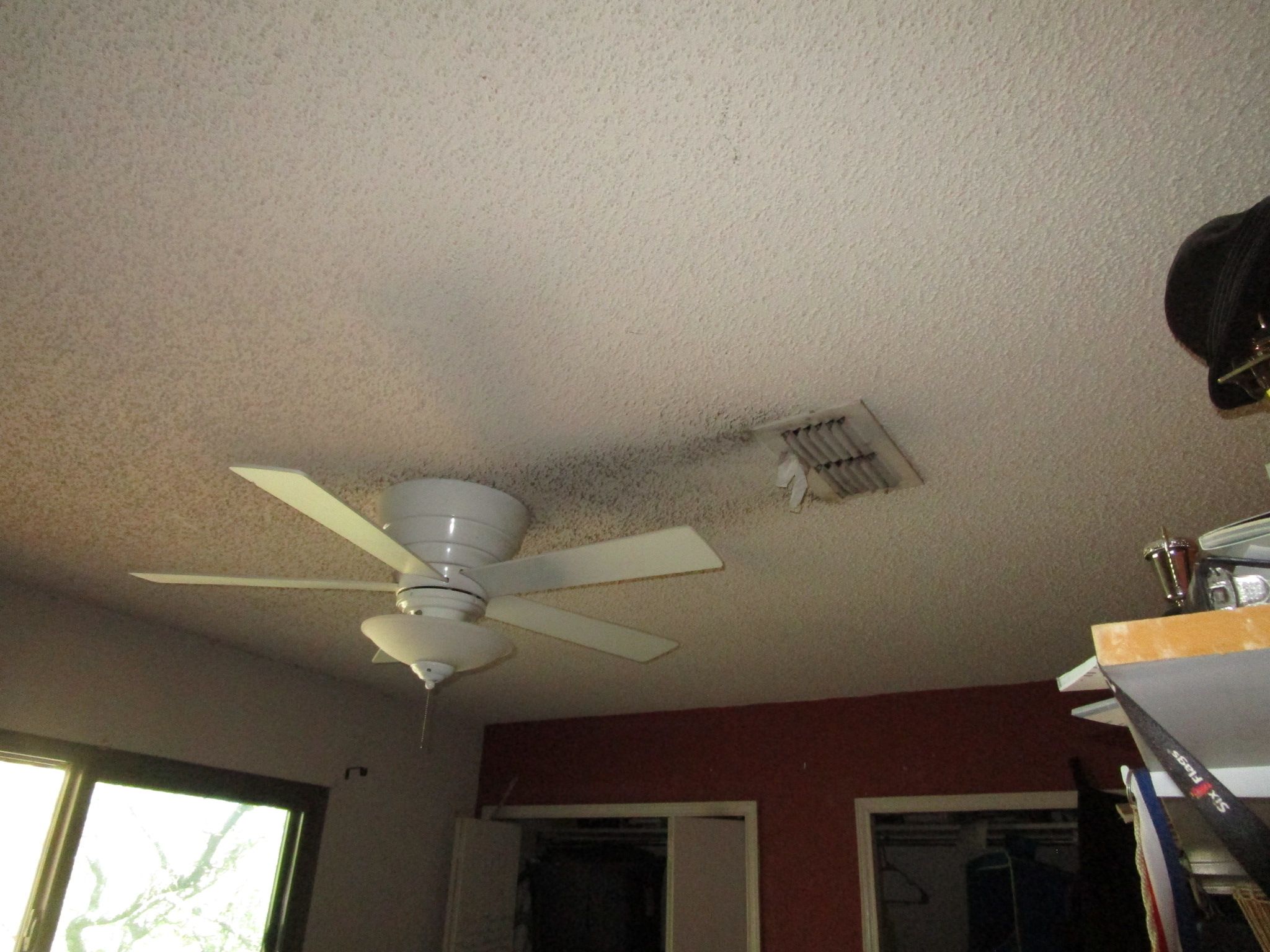
When it comes to maintaining a healthy living environment in the Texas Hill Country, few things create as much immediate anxiety as the suspicion of mold. Whether you notice a faint, earthy musty smell in your hallway or you are preparing to purchase a home in San Antonio, Boerne, or Kerrville, identifying mold growth is critical. Many homeowners assume that a quick DIY test kit from the local hardware store or a simple "sniff test" is enough to clear the air. Unfortunately, these makeshift methods often provide a false sense of security while leaving extensive, damaging colonies untouched behind your walls.
At Veteran Home Inspections, we believe that safeguarding your property requires precision, advanced technology, and professional expertise. Mold is rarely a surface-level problem you can spot easily with the naked eye. To protect your investment and your family's respiratory health, you need to understand why DIY checks fall short and how professional mold inspections reveal the unseen hazards lurking in your home.
The Illusion of the DIY Mold Test Kit
It is tempting to pick up a low-cost petri dish test kit, leave it out for an hour, and mail it away for a quick lab fee. On the surface, it feels proactive and cost-effective. However, building science and environmental professionals recognize major flaws in consumer-grade DIY kits:
- Ubiquitous Spores: Mold spores exist naturally in the outdoor air everywhere: including San Antonio. Opening a petri dish indoors will almost always capture some spores, frequently triggering alarmist "positive" results even when indoor air quality is entirely normal.
- Lack of Baseline Comparison: Professional air testing compares indoor spore counts and species diversity directly against an outdoor baseline sample. DIY kits lack this crucial comparative metric.
- No Source Identification: A petri dish tells you that spores are floating around your home, but it cannot tell you where they are originating. It provides zero insight into structural moisture leaks or hidden colonies.
Relying on a DIY kit is like checking your car's engine health by looking at the steering wheel: it misses the core mechanical issues entirely.
Where Mold Hides Out of Sight
Mold thrives in dark, damp, and undisturbed environments. In South and Central Texas, high humidity combined with fluctuating indoor temperatures creates prime conditions for microbial growth in areas you rarely inspect.
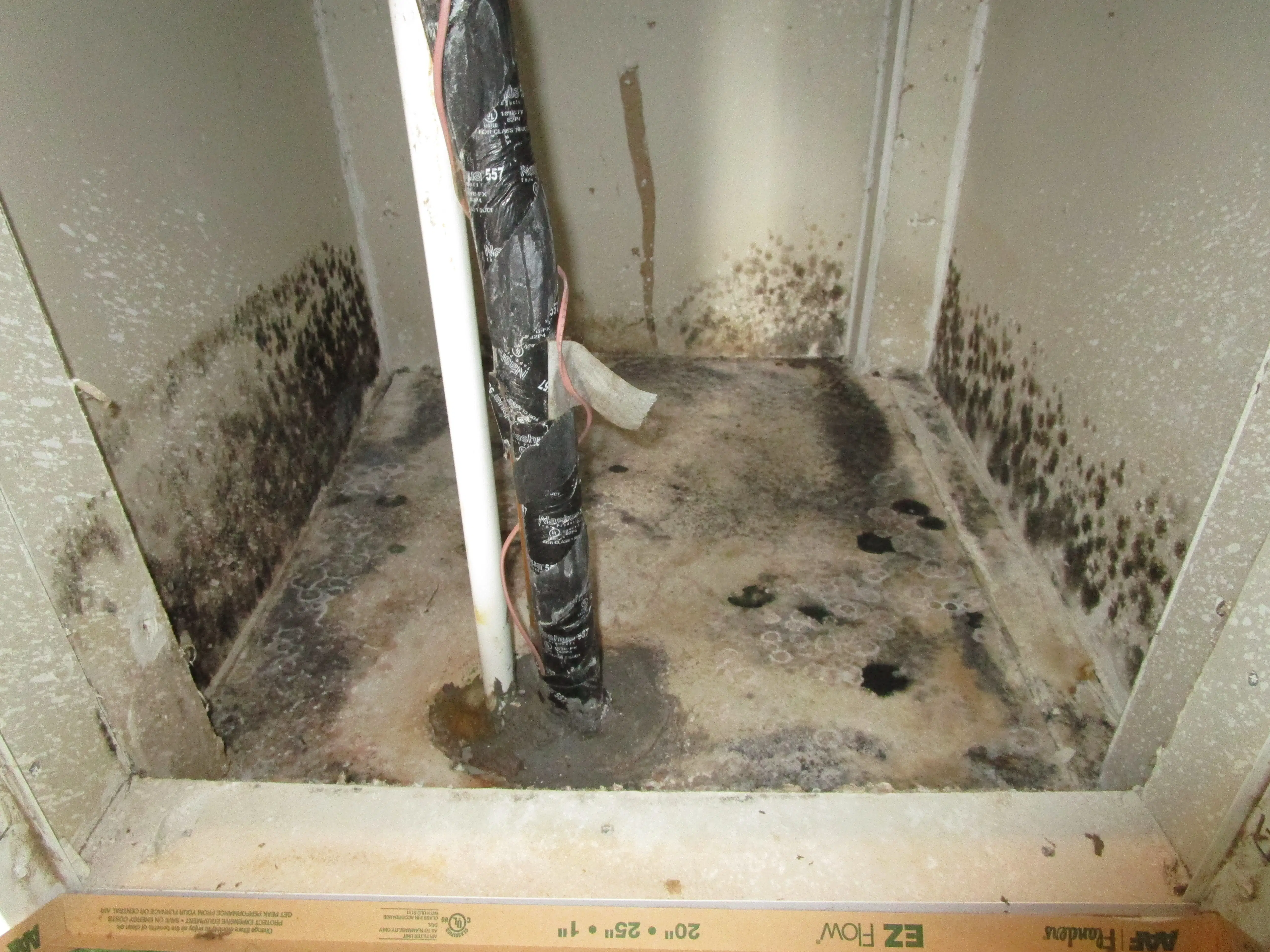
Common blind spots where mold flourishes include:
- Inside HVAC Systems and Ductwork: Your heating and cooling system circulates air throughout every room. If condensation accumulates in the handler or duct lining, mold spores can multiply rapidly and disperse across the entire house every time the system kicks on.
- Behind Drywall and Baseboards: Slow plumbing leaks, window frame seepage, or roof leaks saturate framing and drywall paper from the inside out, creating hidden reservoirs of mold before any staining appears on the painted surface.
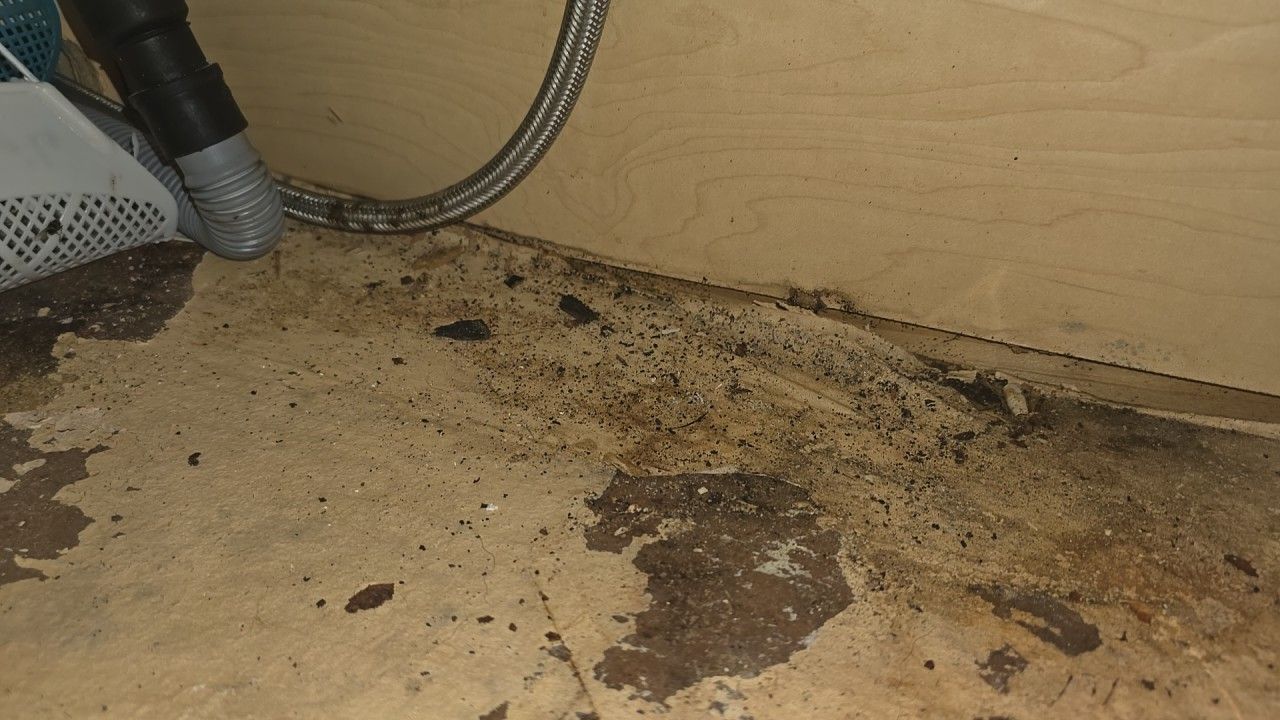
- Under Flooring and Subfloors: Bathrooms, kitchens, and laundry rooms frequently experience micro-leaks around fixtures and appliances. Water seeps beneath vinyl, tile, or laminate flooring, creating trapped moisture pockets.
- Attics and Crawlspaces: Poor attic ventilation, wet crawlspaces, or unsealed roof penetrations allow ambient moisture to condense on wooden roof decking, subflooring, and framing.
Advanced Professional Tools of the Trade
Professional mold inspectors do not rely on guesswork or a strong sense of smell. At Veteran Home Inspections, we utilize specialized, non-invasive diagnostic tools designed to locate moisture and microbial activity before tearing down your walls:
Thermal Imaging Cameras
Infrared thermography detects minute surface temperature variations. Because damp materials hold thermal energy differently than dry materials, a thermal camera instantly highlights hidden wet spots behind walls or ceilings, pointing directly to potential mold breeding grounds.
Precision Moisture Meters
Pin and pin-less moisture meters measure the exact saturation percentage of building materials like wood, drywall, and masonry. This allows our inspectors to map out moisture migration paths and identify active leaks.
Calibrated Air Sampling Pumps
Using professional spore trap cassettes and calibrated pumps, we draw precise volumes of indoor air to capture airborne particulate matter. These samples are sent to accredited independent laboratories for detailed species identification and concentration analysis.
Visual Inspection vs. Comprehensive Testing
A thorough professional mold assessment is a two-part process that combines a meticulous physical evaluation with scientific testing.
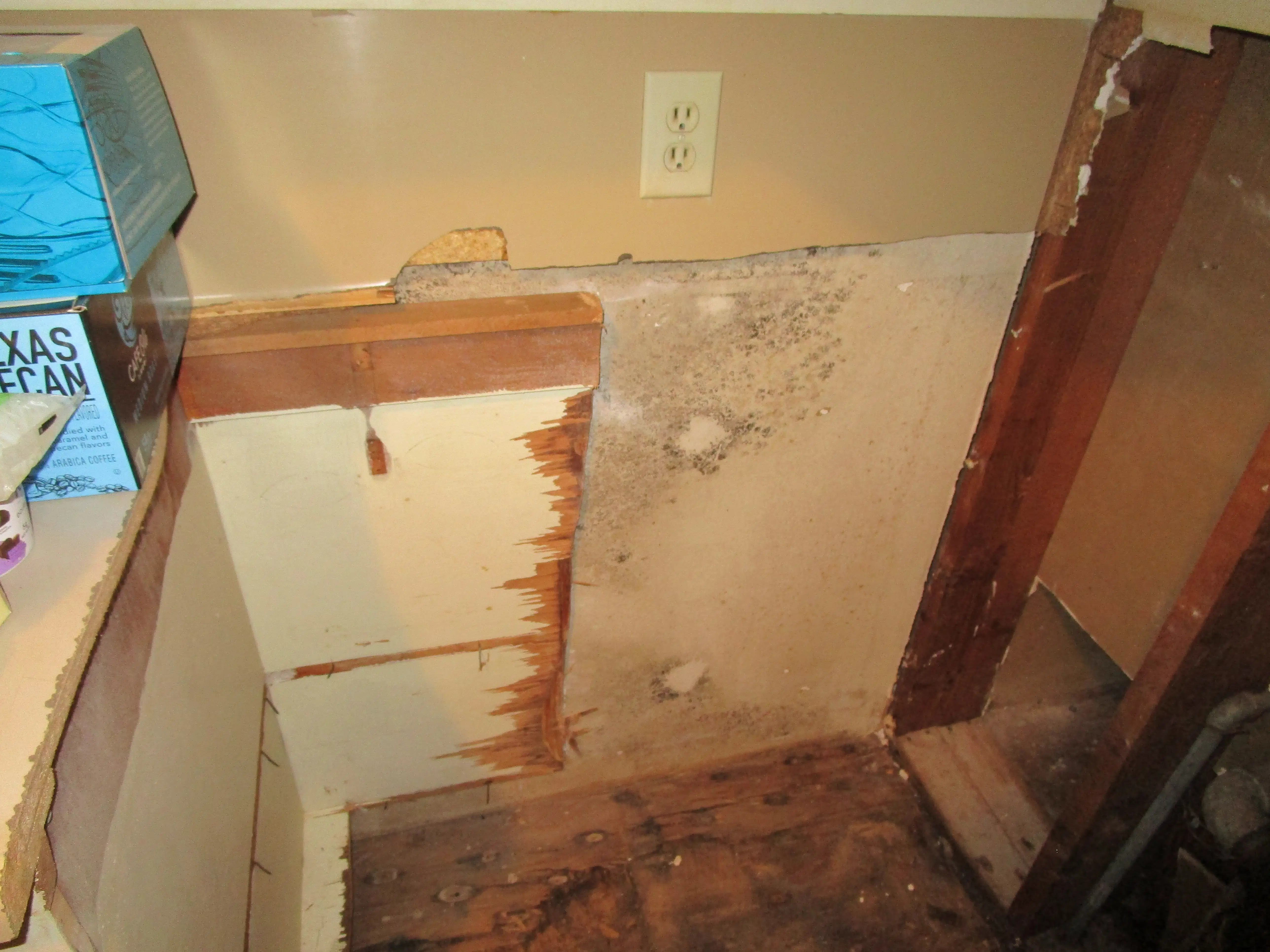
During a visual inspection, the inspectors examine the property's exterior drainage, rooflines, plumbing fixtures, and interior living spaces for signs of past or active water intrusion. We check high-risk zones like under-sink plumbing cabinets and mechanical rooms for early indicators of trouble.
When conditions warrant testing, we gather targeted air and surface samples (such as tape lifts or swab samples of suspicious staining). The resulting laboratory report provides objective data, detailing whether spore concentrations exceed normal outdoor thresholds and identifying specific allergenic or toxic species present in the home.
Protecting Your Health and Property Value
Unaddressed mold can compromise structural wood framing, ruin drywall integrity, and trigger persistent allergic reactions, asthma attacks, and respiratory distress for occupants. For homebuyers in the San Antonio area, discovering mold after closing can lead to expensive remediation bills that derail your budget.
By investing in a comprehensive professional mold inspection before finalizing a real estate purchase or after experiencing a plumbing leak, you secure complete clarity regarding your indoor environment. You gain actionable, expert recommendations that target the root moisture source rather than merely cleaning surface blemishes.
Schedule Your Professional Inspection Today
Don't leave your indoor air quality to chance or rely on inconclusive DIY test kits. When you need accurate, detailed insights into your property's condition, trust the experts who combine rigorous building science with military-grade precision and discipline.
Contact Veteran Home Inspections today at 210-202-1974 or visit our contact page to schedule your comprehensive property and air quality assessment across San Antonio, Boerne, Kerrville, and the surrounding Texas Hill Country communities.

No comments:
Post a Comment