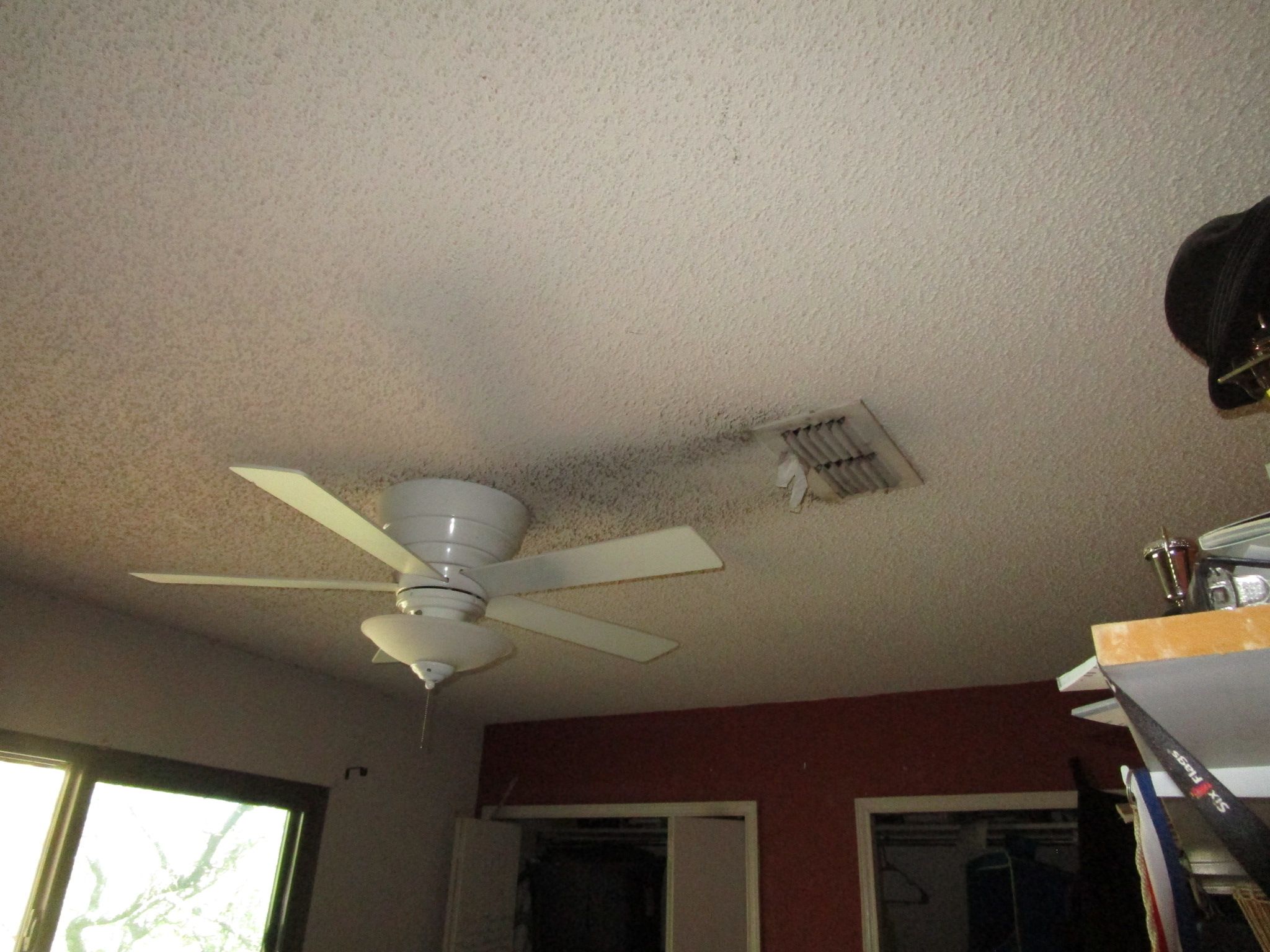
When purchasing a home or managing property maintenance in the Texas Hill Country, few discoveries invoke as much immediate concern as mold. Whether you are evaluating a historic property in Bandera, a suburban home in San Antonio, or new construction in Boerne or Kerrville, moisture and microbial growth can compromise indoor air quality and structural integrity.
However, a widespread point of confusion among homebuyers and property owners is the distinction between a mold inspection and mold testing. Too often, these terms are used interchangeably, leading to misguided expenditures, false aversions, or worse: untreated contamination that puts your health and investment at risk.
At Veteran Home Inspections, we believe that clarity is the foundation of smart property ownership. Below, we break down the fundamental differences between mold inspections and mold testing, explain why relying on only one creates dangerous blind spots, and outline our comprehensive protocol to protect your property.
What Is a Mold Inspection?
A mold inspection is a comprehensive, on-site investigative assessment of your property. Think of it as a forensic examination of your building envelope and HVAC systems. The primary goal of an inspection is not merely to find mold, but to locate the underlying moisture problems that allow mold to thrive.
During a professional mold inspection, the inspectors at Veteran Home Inspections utilize advanced diagnostic tools: such as high-resolution thermal imaging cameras and precision moisture meters: to evaluate areas prone to dampness.

Key components of a professional mold inspection include:
- Visual Assessment: Thoroughly examining every accessible room, crawlspace, attic, and basement for signs of water staining, discoloration, peeling paint, and active fungal growth.
- Moisture Mapping: Scanning walls, baseboards, and subfloors with moisture meters to detect hidden dampness behind drywall or beneath flooring.
- Thermal Imaging: Using infrared technology to identify temperature differentials caused by hidden plumbing leaks, roof breaches, or inadequate insulation.
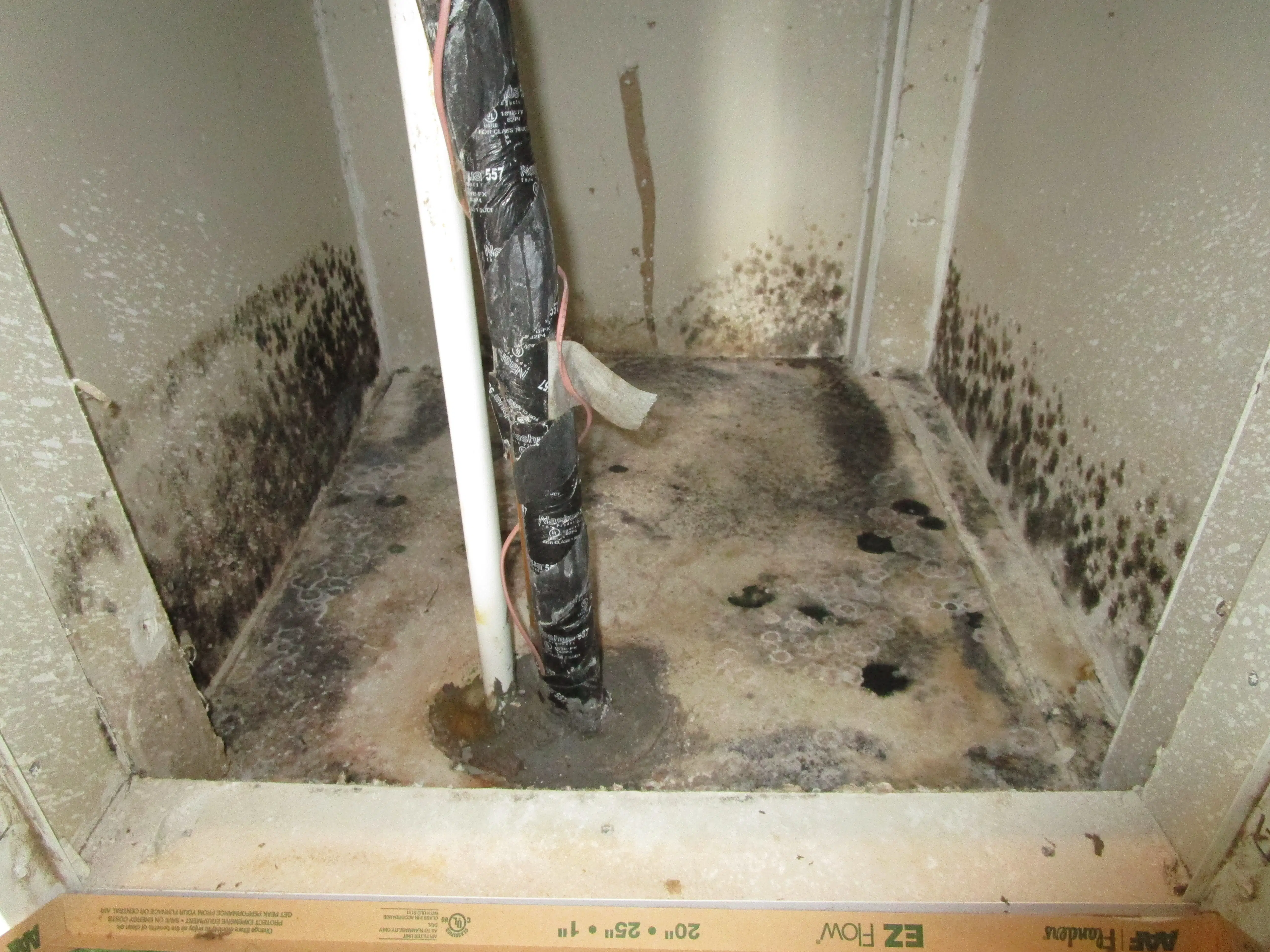
- HVAC Evaluation: Checking heating, ventilation, and air conditioning units and ductwork for condensation issues, microbial contamination, and filtration failures.
The outcome of a mold inspection is a detailed understanding of where moisture is entering your home, how far any existing contamination has spread, and what corrective measures are required to resolve the root cause. For more details on our diagnostic capabilities, visit our thermal imaging inspections page.
What Is Mold Testing?
While an inspection investigates the physical environment and moisture dynamics of a property, mold testing is a laboratory-based analytical process. Mold testing involves collecting physical samples from the property and sending them to an accredited independent laboratory for scientific evaluation.
There are two primary types of mold samples collected during testing:
- Air Samples: Using specialized calibrated pumps, air is pulled through collection cassettes to capture airborne spores. The lab analyzes these samples to measure spore concentrations per cubic meter and identify the genera present (such as Aspergillus, Penicillium, or Stachybotrys chartarum, commonly known as toxic black mold).
- Surface Samples: Utilizing tape lifts, swabs, or bulk material cuttings, inspectors collect visible residues or suspect accumulations from surfaces to confirm whether mold is present and determine its concentration.
It is important to understand what mold testing can and cannot do. Testing provides precise scientific data regarding the types and quantities of spores in a specific sample at a specific moment in time. However, mold testing does not tell you where the moisture is coming from or how to fix the building defect. A lab report listing high spore counts in a living room does not isolate whether the source is a leaky roof, a sweating AC duct, or a faulty window seal.
Why Doing One Without the Other Leaves Critical Gaps
Navigating property purchases or indoor air quality concerns requires complete information. Relying on only half of the equation exposes you to significant risk.
The Danger of Inspection Without Testing
If an inspector performs a thorough visual and thermal assessment and finds no visible mold or active moisture intrusion, testing is rarely necessary. However, if suspicious musty odors are present or occupants suffer from unexplained respiratory symptoms: yet no mold is visible: skipping testing leaves you guessing. Targeted air testing can confirm whether hidden mold reservoirs exist within wall cavities or HVAC ductwork, validating health concerns before you finalize a real estate transaction.
The Danger of Testing Without Inspection
Conversely, ordering a mail-order DIY mold test kit or hiring an unqualified technician to take air samples without conducting a comprehensive structural inspection is a recipe for wasted money.
- The Spore Baseline Problem: Spores are naturally present in outdoor air everywhere in Texas. Without professional interpretation, air test numbers lack context.
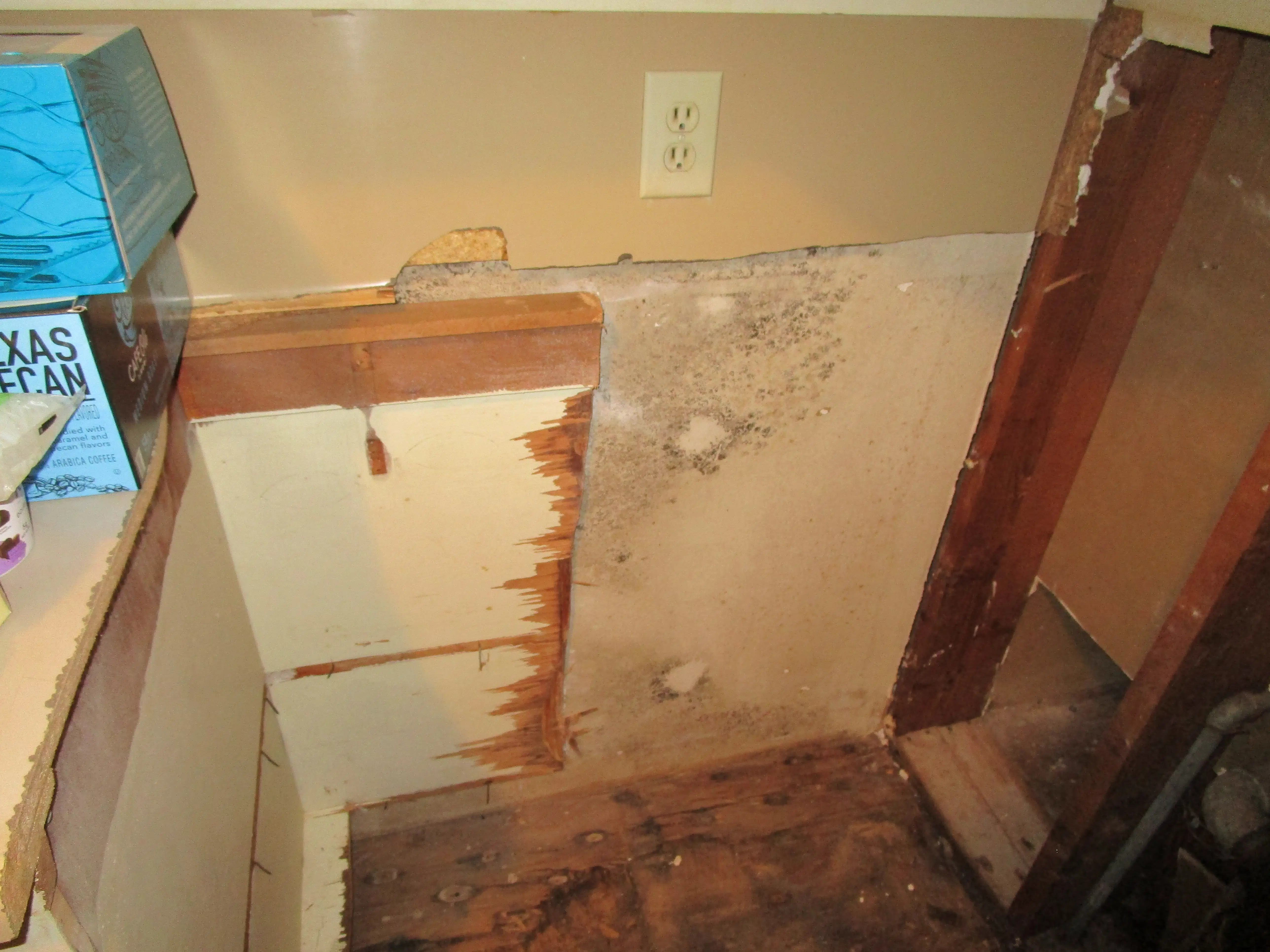
- The Blind Spot: If a lab report reveals high concentrations of Stachybotrys, but no inspection was performed to locate the active water leak feeding the colony, you are treating a symptom while the root cause continues to rot your framing and drywall.
As highlighted on our services page, true peace of mind requires connecting the dots between physical building conditions and lab analysis.
Our Proven Process: Inspection First, Targeted Testing Second
At Veteran Home Inspections, we follow a rigorous, methodical protocol designed to give you actionable insights without unnecessary expenses.
- Comprehensive Initial Inspection: We begin with a meticulous physical inspection of the property, utilizing our construction background, thermal cameras, and moisture meters to map out every square foot of concern: from under-sink plumbing cavities to complex attic assemblies.
- Evaluation of Findings: If we identify active water leaks, damp building materials, or visible fungal growth (such as under-sink moisture accumulation or HVAC closet contamination), we document the exact source and outline immediate remediation steps. In many cases, fixing the moisture source and cleaning the surface resolves the issue completely, rendering costly lab testing redundant.
- Strategic, Targeted Testing: When our inspection reveals hidden risk factors, musty odors without obvious sources, or when clients require baseline documentation for health or real estate negotiations, we deploy precise, targeted sampling. We place air and surface tests in exact locations where our diagnostics indicate a high probability of hidden issues.
- Actionable Reporting: Within 24 hours of completing our assessment, you receive a detailed, comprehensive report outlining our findings, photographic evidence, and clear recommendations.
Protect Your Investment With Veteran-Led Precision
Mold is not just an aesthetic nuisance; left unchecked, it degrades indoor air quality, triggers chronic allergies, and accelerates structural deterioration. Whether you are closing on a dream home or maintaining an established property in San Antonio, Boerne, Kerrville, or Bandera, understanding your environment requires expert guidance.
Combine our rigorous inspection standards with our commitment to veteran-owned excellence. We invite you to explore our FAQ and testimonials to see why homeowners across the Texas Hill Country trust our certified expertise.
Don't leave your indoor air quality to guesswork. Request your inspection today or call us directly at 210-202-1974 to schedule a comprehensive evaluation with the professionals at Veteran Home Inspections.

No comments:
Post a Comment