Showing posts with label Pre-listing Home Inspection. Show all posts

Wednesday, October 14, 2026

Can You Sell a House with Mold in Texas? What Sellers Need to Know

 Water intrusion and possible mold growth on a ceiling and upper wall

Selling a house with mold in Texas is possible. Mold does not automatically prevent you from listing or selling a property, but ignoring it can create avoidable delays, difficult negotiations, financing problems, and legal risk.

The most effective strategy is to address the issue before listing. A professional mold inspection can help you understand the condition, identify the moisture source, document the findings, and decide whether remediation is appropriate. That information gives you greater control over the transaction and helps you communicate with prospective buyers more confidently.

If you are preparing to sell in San Antonio, Boerne, Bandera, Kerrville, or the surrounding Texas Hill Country, here is what you should know.

Texas Sellers Must Disclose Known Property Conditions

Texas Property Code § 5.008 requires sellers of most residential properties with no more than one dwelling unit to provide a written disclosure concerning the seller’s knowledge of the property’s condition. The notice is not a substitute for a buyer’s inspection, but it gives the buyer important information about known defects and conditions.

When mold is present or has been discovered in the past, disclosure may involve more than simply noting the word “mold.” You should work with your real estate agent and, when necessary, a Texas real estate attorney to accurately describe:

  • Known or suspected mold growth
  • Musty odors that have been investigated
  • Current or previous water intrusion
  • Roof, plumbing, HVAC, foundation, or drainage problems associated with moisture
  • Areas where materials were removed or replaced because of mold or water damage
  • Previous mold testing or inspection results
  • Professional remediation work
  • Available invoices, warranties, clearance documentation, and certificates

The key issue is your actual knowledge. You are generally not required to predict every condition an inspector might find, but you should not conceal a known problem or provide misleading information about repairs.

Deliver the disclosure notice on or before the effective date of the binding purchase contract, as required by Texas law. If the required notice is not provided when required, the buyer may have a right to terminate the contract after receiving it. Use the current Texas Real Estate Commission Seller’s Disclosure Notice, which is identified by TREC as Form 55-1 and effective May 28, 2026.

An “As-Is” Sale Does Not Eliminate Disclosure Duties

Some sellers believe that checking “as-is” allows them to avoid discussing mold. That is not a safe assumption.

An as-is agreement may affect the parties’ expectations about repairs, but it does not authorize a seller to misrepresent or conceal a known material condition. If you know that a property has mold, recurring moisture, or unresolved water damage, disclose it accurately and retain supporting documentation.

Transparency benefits you because it reduces the likelihood of a buyer discovering the condition late in the transaction. Early disclosure also gives buyers and their representatives an opportunity to evaluate the issue within the inspection and negotiation process, rather than treating it as a last-minute surprise.

Do You Have to Get a Mold Inspection Before Selling?

Texas law does not require every seller to obtain a mold inspection before listing a home. However, a pre-listing inspection can be a strategic advantage when you see warning signs such as:

  • Persistent musty odors
  • Ceiling or wall staining
  • Peeling, bubbling, or discolored paint
  • Repeated plumbing leaks
  • Condensation around HVAC equipment or supply registers
  • Past flooding or roof leaks
  • Damp crawl spaces, attics, or under-sink cabinets
  • Health or comfort complaints that improve when occupants leave the home

A professional assessment can help separate a confirmed concern from a surface stain, old cosmetic damage, or another condition that resembles mold. Testing may also be appropriate when the suspected growth is hidden or when the scope of a moisture problem is unclear.
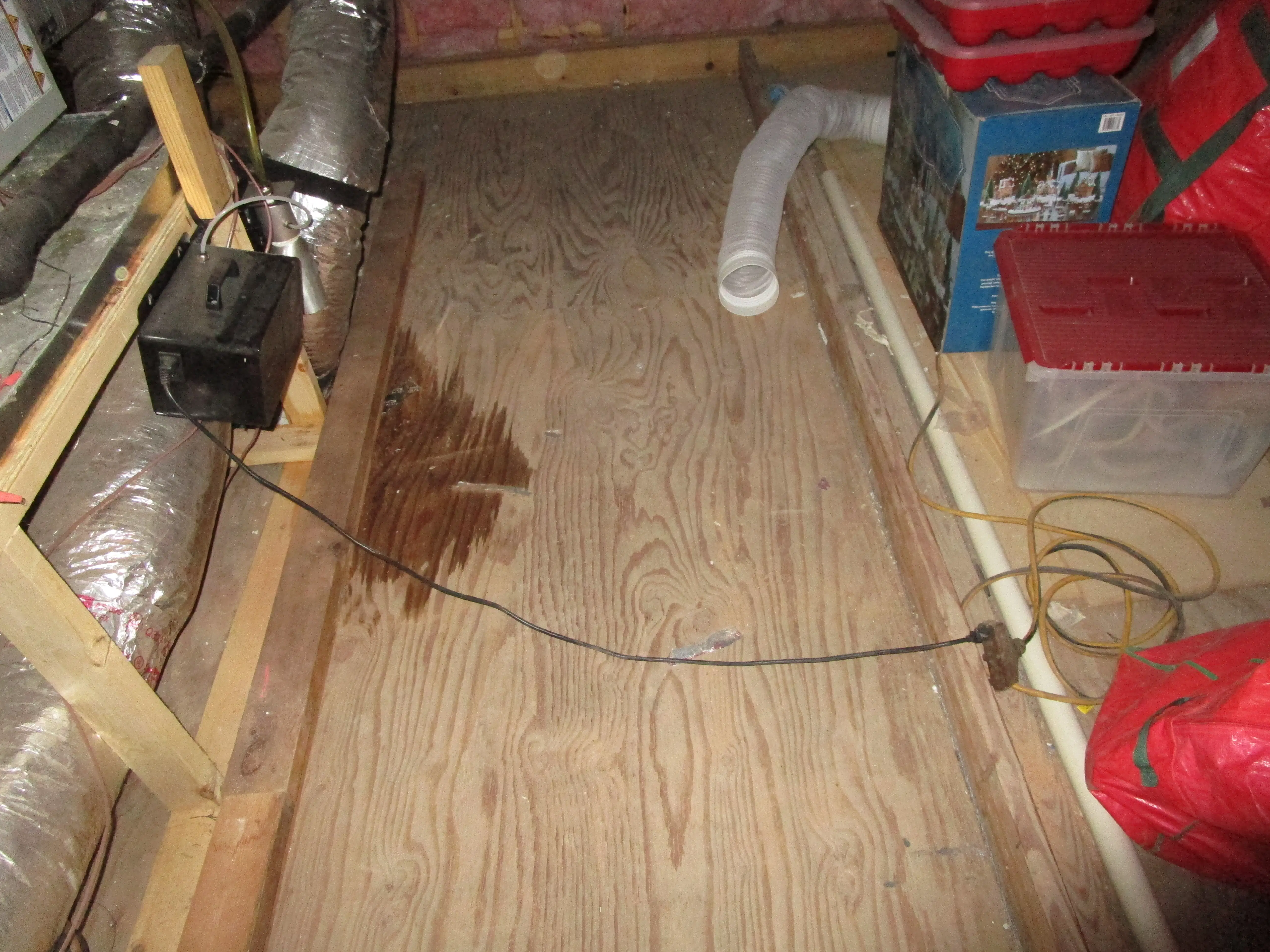
Water staining and possible moisture concerns near attic mechanical equipment

When you schedule a mold inspection in San Antonio, ask what the service includes. Depending on the property and the observed conditions, the evaluation may involve a visual inspection, moisture investigation, targeted sampling, laboratory analysis, and recommendations for further action.

A laboratory result should not be viewed in isolation. The location of the sample, moisture conditions, building materials, ventilation, and history of the property all matter. A useful report should explain the findings in practical terms so you can make informed decisions.

How a Pre-Listing Mold Inspection Helps Sellers

A mold inspection is not only a response to a problem. It can also help you manage the sale more effectively.

1. You gain a clearer repair strategy

A report can identify where moisture is present, what areas warrant additional evaluation, and whether the observed condition appears limited or more extensive. This prevents you from spending money on unnecessary work while helping you prioritize repairs that may affect safety, financing, or marketability.

2. You can address the moisture source first

Mold is commonly connected to a moisture condition. Cleaning or painting over visible growth without correcting the source may allow the problem to return.

Potential sources may include:

  • Plumbing leaks
  • Roof or flashing failures
  • Poor site drainage
  • Condensation
  • HVAC drain or duct problems
  • Inadequate bathroom ventilation
  • Foundation or crawl-space moisture

Correct the underlying moisture problem before cosmetic repairs. This improves the durability of the work and gives buyers greater confidence that the condition was not simply covered up.

3. You reduce negotiation surprises

A buyer’s inspection may still identify conditions that were not visible during your evaluation. However, obtaining information early allows you to disclose the issue, gather estimates, and decide how to structure the transaction before an offer is accepted.

You may choose to:

  • Complete appropriate repairs before listing
  • Obtain professional remediation
  • Offer a credit or price adjustment
  • Sell with the condition clearly documented
  • Provide reports and supporting records to qualified buyers

Your real estate professional can help you determine which approach best fits the market and your goals.

4. You create a stronger documentation file

Keep copies of inspection reports, laboratory results, photographs, invoices, moisture-repair records, warranties, and remediation documents. A complete file helps demonstrate what was found, what was repaired, and which work remains outstanding.

That documentation can improve buyer confidence because it replaces vague assurances with verifiable information.

When Is Remediation Necessary?

The appropriate response depends on the size, location, material, moisture source, and extent of the affected area. A small, isolated condition on a cleanable surface may require a different response than mold affecting drywall, insulation, flooring, ductwork, or concealed wall cavities.

Remediation is more likely to be necessary when:

  • Growth is extensive or recurring
  • Porous materials are affected
  • The moisture source remains active
  • HVAC components or air pathways are involved
  • The condition affects occupied areas
  • Water damage has weakened building materials
  • The property has a history of repeated moisture events
  • A buyer’s lender, insurer, or contract requirements call for professional correction

Do not rely on paint, bleach, fragrance products, or surface cleaning to resolve a substantial moisture problem. Those actions may alter the appearance without addressing contamination inside porous materials or the source of moisture.
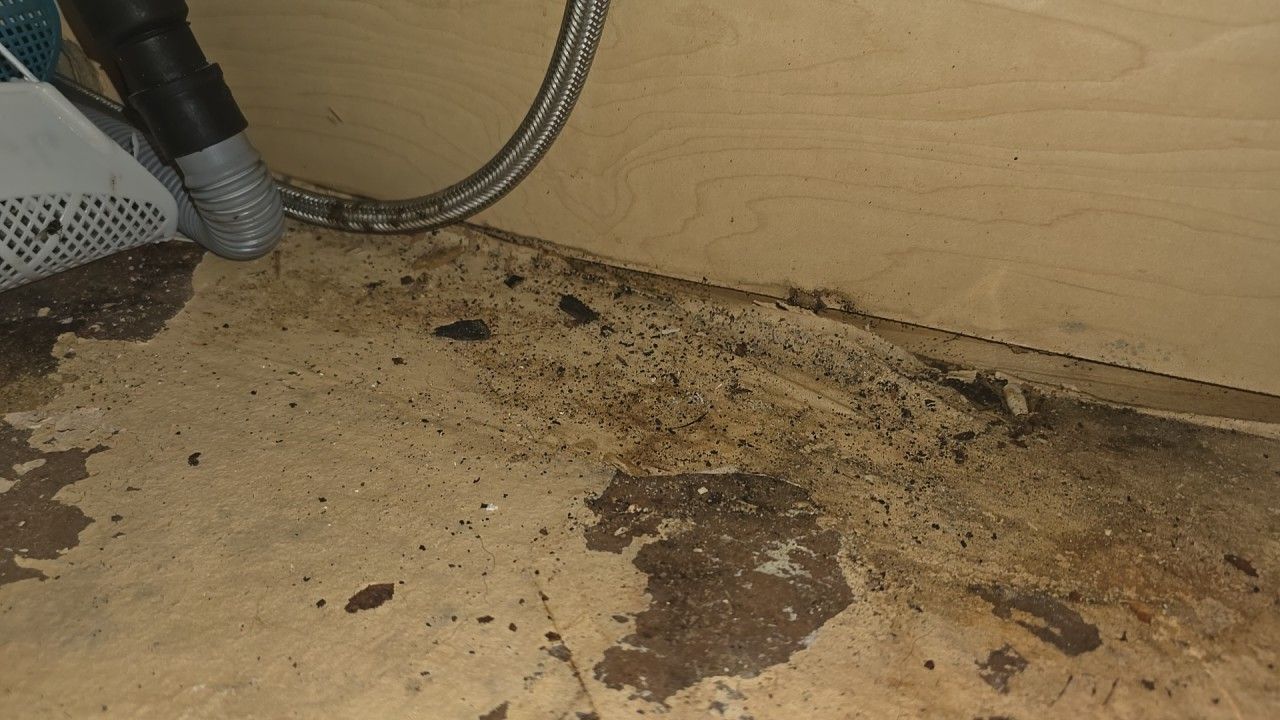
Moisture damage and possible microbial growth beneath a sink

Texas regulates mold assessment and remediation activities that affect indoor air quality. Under Texas Occupations Code Chapter 1958, mold assessment and mold remediation are separate regulated activities, and a license holder may not perform both services on the same project. Ask prospective professionals about their qualifications, scope of work, and documentation before authorizing work.

If licensed remediation is completed, Texas law requires the property owner to provide the buyer with a copy of each applicable Certificate of Mold Remediation issued during the five years preceding the sale. Keep the certificate with the rest of your transaction records. Remediation does not erase the fact that mold existed; it gives you documentation that the identified work was completed and evaluated under the applicable process.

What Sellers Should Do Before Listing

Use this practical sequence to stay organized:

  1. Investigate visible warning signs. Photograph affected areas without disturbing suspected growth.
  2. Arrange a professional mold inspection or assessment. Request clear documentation of the areas evaluated and any testing performed.
  3. Identify the moisture source. Consult the appropriate roofing, plumbing, HVAC, drainage, or building professional when needed.
  4. Obtain repair or remediation estimates. Compare the scope of work, qualifications, insurance, and documentation provided.
  5. Complete appropriate repairs before cosmetic work. Fixing the source first helps prevent recurrence.
  6. Organize your records. Retain reports, invoices, photographs, warranties, certificates, and clearance documentation.
  7. Review your disclosure with your agent or attorney. Disclose known conditions accurately and consistently.
  8. Give buyers reasonable access to relevant documentation. Clear records can make negotiations more focused and productive.
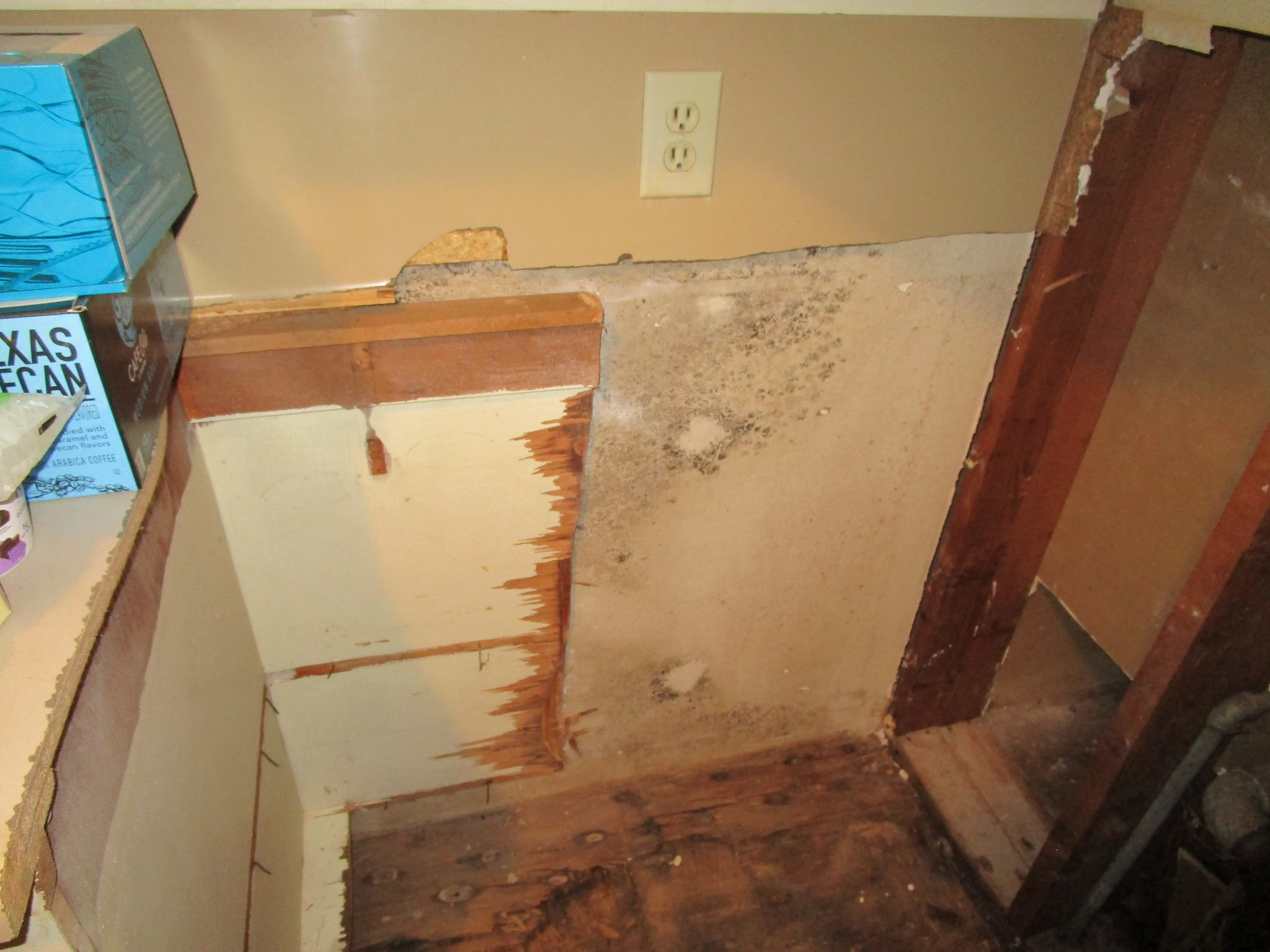
Mold-like growth and moisture damage on exposed wall and flooring materials

Why a Pre-Listing Inspection Is a Strategic Advantage

A pre-listing inspection in San Antonio gives you information before a buyer’s inspection places the issue under time pressure. It allows you to decide whether to repair, remediate, disclose, price accordingly, or pursue additional evaluation with a better understanding of the facts.

Veteran Home Inspections provides mold inspections and testing with laboratory analysis, remediation protocols, and clearance testing options. Our broader inspection services can also help identify moisture conditions involving the attic, HVAC system, roof, plumbing, and other parts of the property.

If you are preparing to sell and have concerns about mold or moisture, call Veteran Home Inspections at 210-202-1974 or request an inspection online. Addressing the issue early can help you approach the market with clearer documentation, fewer surprises, and greater control over the transaction.

This article provides general educational information and is not legal advice. Disclosure requirements can depend on the property, transaction, and facts known to the seller. Consult a qualified Texas real estate attorney or licensed real estate professional for advice about your specific situation.

Wednesday, August 26, 2026

Why San Antonio Home Deals Are Falling Apart : and How the Right Home Inspection Keeps Yours Alive


Professional home inspector evaluating a San Antonio-area home

A home purchase can unravel quickly when an inspection reveals expensive or unexpected problems. In the San Antonio–New Braunfels area, buyers have more choices than they did during the most competitive periods of the market. That flexibility makes it easier to cancel a contract, negotiate significant repairs, or move on to another property.

According to Redfin’s January 2026 housing analysis, 21.2% of San Antonio home-purchase agreements were canceled that month: the highest percentage among the 47 major metropolitan areas analyzed. Redfin reported that San Antonio had approximately twice as many sellers as buyers, giving buyers more leverage during the inspection and due-diligence process.

Not every canceled contract results from an inspection. Financing changes, appraisal concerns, interest-rate fluctuations, and buyer uncertainty can also derail a transaction. However, inspection surprises remain one of the most preventable causes of conflict.

Whether you are buying or selling, the right inspection strategy can help you replace last-minute surprises with clear information and practical solutions.

Why San Antonio Home Deals Are More Vulnerable Right Now

A slower market changes how both sides approach a real estate contract.

When buyers have fewer competing offers and more homes to compare, they are less likely to accept significant defects without further investigation. A problem that might once have been overlooked can now become a reason to renegotiate or terminate, especially when the buyer is concerned about the cost of repairs.

Sellers face a different challenge. If a home returns to the market after a contract termination, future buyers may question why the first transaction failed. That can create additional pressure, particularly if the original inspection report identified structural, drainage, roof, plumbing, or electrical concerns.

The market conditions make preparation more important for everyone:

  • Buyers need timely information so they can make decisions before contractual deadlines expire.
  • Sellers need accurate knowledge of the home’s condition so they can address concerns before listing.
  • Agents need clear documentation to support productive negotiations rather than emotional reactions.
  • Both parties benefit from realistic expectations about repair priorities and potential costs.

A thorough inspection does not guarantee that a contract will close. It does give you the information needed to respond intelligently.

The Inspection Problems Most Likely to Create Conflict

A standard inspection is a visual evaluation of accessible components and systems. It is not a destructive investigation, engineering analysis, or guarantee against future failure. Even so, it can identify conditions that deserve attention before you commit to the property.

Common sources of contract conflict in the San Antonio area include the following.

Foundation Movement and Structural Concerns

Central Texas properties may be affected by expansive clay soils, drainage patterns, seasonal moisture changes, and settlement. Inspectors may observe indicators such as:

  • Cracks in masonry, drywall, ceilings, or flooring
  • Doors that bind or fail to latch
  • Uneven floors
  • Gaps around window or door frames
  • Separation at trim or exterior cladding
  • Evidence of previous foundation repairs
  • Poor grading or water collecting near the foundation

These observations do not automatically prove that a foundation has failed. They indicate that further evaluation may be appropriate. Depending on the findings, a buyer may need a qualified structural engineer or foundation specialist to determine the cause, severity, and recommended repair.

Identify these conditions early because a professional evaluation can take time to schedule. Waiting until the final days of the option period can leave you with fewer choices and unnecessary pressure.

Roof and Water-Intrusion Issues

Roof defects can create immediate financial concerns and may affect insurance or lending requirements. An inspection may identify damaged or missing shingles, deteriorated flashing, exposed fasteners, poor drainage, or signs of past leaks.

Water intrusion can also appear in attics, ceilings, wall cavities, crawlspaces, and around windows. A visible stain may represent an old, repaired leak: or an active problem that has not been corrected.

Ask for documentation when the seller reports that a repair was completed. Clear records help distinguish routine maintenance from unresolved damage, which reduces uncertainty during negotiations.

HVAC, Electrical, and Plumbing Deficiencies

Major mechanical systems often influence a buyer’s decision because repairs can be expensive and disruptive. An inspection may reveal:

  • Aging or improperly functioning heating and cooling equipment
  • Inadequate condensate drainage
  • Unsafe electrical conditions
  • Missing GFCI or AFCI protection where required
  • Leaking supply or drain plumbing
  • Corrosion or improper modifications
  • Water-heater installation concerns
  • Poorly supported or damaged ductwork

These findings should be prioritized according to safety, function, and likely urgency. Not every item requires replacement before closing. A well-organized report helps your agent and the seller focus on material concerns rather than treating every maintenance recommendation as a deal breaker.

Home inspector examining plumbing beneath a kitchen sink

How a Pre-Purchase Inspection Protects Buyers

The inspection should be scheduled as soon as possible after the contract is executed: not near the end of the option period.

Your contract establishes important deadlines, and your real estate agent or attorney should explain your rights and responsibilities. Veteran Home Inspections can provide the inspection findings, but we do not interpret contract deadlines or provide legal advice.

A disciplined process gives you more time to respond:

  1. Schedule promptly. Book your San Antonio home inspection early enough to allow for additional evaluations if necessary.
  2. Attend when possible. Your presence allows you to ask questions and understand the difference between a safety issue, a maintenance item, and a condition requiring specialist review.
  3. Review the report carefully. Look beyond the summary and examine the photos, descriptions, locations, and recommended next steps.
  4. Prioritize the findings. Focus first on safety hazards, active water intrusion, structural concerns, major system failures, and conditions that could affect insurability.
  5. Obtain specialist opinions when recommended. A home inspector can identify signs of concern, while engineers, electricians, plumbers, roofers, and other specialists evaluate specific systems in greater depth.
  6. Communicate before the deadline. Give your agent enough time to discuss repairs, credits, price changes, or other contract options.

Veteran Home Inspections provides detailed reports within 24 hours. That turnaround helps preserve your decision-making time, particularly when the option period is short.

Our pre-purchase inspection service examines accessible components such as the structure, roof, exterior, HVAC, electrical system, plumbing, attic, foundation, garage, and installed appliances. Additional services may be appropriate depending on the property, including termite, mold, radon, sewer-scope, septic, water-quality, or lead-based paint testing.

Why Sellers Should Consider a Pre-Listing Inspection

A seller may assume that waiting for the buyer’s inspection is simpler. In a market where buyers can walk away more easily, that strategy can create avoidable problems.

A pre-listing inspection in San Antonio gives you an opportunity to understand the property before it reaches the market. You can then decide whether to repair an item, disclose it, adjust the price, or sell the home as-is with a clearer explanation of its condition.

The benefits include:

  • Fewer inspection surprises: Addressing known concerns before listing reduces the chance of a buyer discovering them for the first time after contract.
  • More credible pricing: Repair information helps your agent develop a pricing strategy based on the home’s actual condition.
  • Stronger negotiations: Documentation allows you to respond to buyer concerns with facts and repair records.
  • Better transaction control: You can choose contractors and evaluate estimates before you are under closing pressure.
  • Reduced risk of returning to market: Resolving significant issues early can make the transaction feel more predictable to the buyer.

A pre-listing inspection does not require you to repair every item. The purpose is to replace uncertainty with control. You and your real estate professional can determine which conditions deserve immediate attention and which can be disclosed and negotiated.

Inspector conducting a pre-listing evaluation inside a San Antonio home

Choose an Inspector Who Provides More Than a Checklist

The quality of the inspection depends on the inspector’s training, experience, process, and communication.

Veteran Home Inspections is a veteran-owned company serving San Antonio, Boerne, Bandera, Kerrville, and surrounding Texas Hill Country communities. The inspectors at Veteran Home Inspections hold the Certified Master Inspector credential, a distinction that reflects advanced professional standards and experience.

We provide detailed, descriptive reporting within 24 hours and remain available to answer questions after the report is delivered. That support matters because inspection findings often require context. You should understand what was observed, why it matters, and what type of professional may be qualified to evaluate or repair it.

A home inspection is not intended to create fear or force a transaction to end. It is designed to help you make a sound decision with better information.

Keep Your Next San Antonio Home Deal Moving

Buyers cannot control market conditions, seller expectations, interest rates, or appraisal results. Sellers cannot control every concern a buyer may raise. Both sides can control how early they identify property conditions and how clearly they respond to them.

Schedule your inspection before the option period is nearly over. If you are selling, consider a pre-listing inspection before placing the home on the market. Early information gives you time to investigate, plan, negotiate, and move forward with greater confidence.

Request an inspection online or call Veteran Home Inspections at 210-202-1974 to discuss your property and inspection needs.

Thursday, May 21, 2026

The Seller’s Secret Weapon: Why a Pre-Listing Inspection in San Antonio is a Game Changer


A professional home inspection report and digital tablet on a table in front of a San Antonio home at sunset.

Selling a home in the competitive San Antonio real estate market requires more than just a fresh coat of paint and professional staging. In a landscape where buyers are increasingly savvy and cautious, you need every possible advantage to ensure a smooth, profitable transaction. Most sellers wait for the buyer to initiate an inspection, but this reactive approach often leads to lost time, reduced profits, and unnecessary stress.

At Veteran Home Inspections, we recommend a more proactive strategy: the pre-listing inspection. By having your property evaluated before it ever hits the market, you gain total control over the sales process. This "secret weapon" allows you to identify potential deal-killers, address necessary repairs on your own terms, and present a transparent, high-quality product to prospective buyers.

What is a Pre-Listing Inspection?

A pre-listing inspection in San Antonio is a comprehensive evaluation of a home’s condition, performed specifically for the seller before the property is listed for sale. It covers the same critical components as a traditional buyer’s inspection: including the roof, foundation, HVAC systems, plumbing, and electrical: but the findings are delivered directly to you, the homeowner.

This professional assessment provides a clear roadmap of your home’s current health. Instead of wondering what a buyer’s inspector might find, you have a detailed report in hand, allowing you to make informed decisions about pricing and repairs.

Eliminating the "Surprise Factor"

The most significant risk in any real estate transaction is the unknown. When a buyer discovers a major defect during their inspection period, it often triggers a "panic response." They may suddenly demand a massive price reduction, insist on expensive last-minute repairs, or even walk away from the deal entirely.

By opting for a pre-listing inspection, you eliminate these surprises. We provide you with a factual, objective look at your property’s condition. If we find a 15-year-old HVAC system that is nearing the end of its life or a plumbing leak in the crawlspace, you know about it first. This knowledge allows you to disclose these items upfront, which prevents the buyer from using them as leverage to renegotiate the price later in the process.

A professional inspector using a thermal imaging camera to check an HVAC system.

Maximizing Your Return on Repairs

When a buyer’s inspection report comes back with a list of deficiencies, you are often forced into a high-pressure situation. You usually have only a few days to find contractors, get quotes, and complete repairs before the closing date. This lack of time almost always results in paying a premium for labor.

Furthermore, buyers often overestimate the cost of repairs. A $500 electrical fix in their minds might translate to a $2,000 credit request. When you have a pre-listing inspection, you can handle repairs on your own schedule. You have the time to:

  • Solicit multiple quotes: Ensure you are getting a fair price from reputable San Antonio contractors.
  • Choose the scope of work: Decide whether to fix an item, replace it, or simply disclose it and adjust the asking price accordingly.
  • Verify the work: You can ensure the repairs are done correctly, preventing any issues during the final walkthrough.

Strengthening Your Negotiating Position

Information is the ultimate currency in real estate negotiations. When you provide a professional inspection report from Veteran Home Inspections to a prospective buyer, you are setting the tone for the entire transaction. You are demonstrating that you are an honest, transparent seller who has maintained the property diligently.

This transparency effectively "disarms" the buyer. It is much harder for a buyer to negotiate aggressively on price when all known issues have already been disclosed and accounted for in the listing price. In many cases, a pre-listing inspection can lead to "as-is" offers, as the buyer feels confident that they already know exactly what they are purchasing.

Building Instant Buyer Confidence

In the Texas Hill Country, trust is everything. Buyers are often hesitant to make a high-value offer on a home if they feel the seller is hiding something. A pre-listing inspection serves as a powerful marketing tool that builds immediate rapport.

When a buyer sees a Certified Master Inspector (CMI) badge on your disclosure packet, they know they are looking at a report from one of the top inspectors in the industry. It signals that the home has been vetted by an expert who understands the unique environmental challenges of the San Antonio area, from foundation shifts in expansive clay soils to the impact of high humidity on HVAC systems.

Certified Master Inspector Badge signifying elite industry expertise.

Faster Closing and Reduced Liability

A pre-listing inspection streamlines the path to the closing table. Many real estate deals fall through during the option period because of inspection disputes. By addressing these issues beforehand, you significantly reduce the likelihood of the deal collapsing.

Additionally, providing a comprehensive inspection report can help protect you from future liability. Under Texas law, sellers must disclose known defects. By having a professional inspection and sharing the results, you are creating a paper trail of full disclosure, which can be invaluable if a buyer later claims you withheld information about the property’s condition.

Why Choose Veteran Home Inspections?

When you are preparing your home for the market, you need a partner who values accuracy, speed, and integrity. We bring a disciplined, detailed approach to every property we evaluate. As a veteran-owned business, we understand the importance of clear communication and mission success: which, in this case, is getting your home sold.

We offer several key advantages for San Antonio sellers:

  • 24-Hour Digital Reports: We deliver our comprehensive, easy-to-read reports within 24 hours of the inspection, so you can move forward with your listing immediately.
  • Certified Master Inspector Credentials: Our inspectors hold the highest designation in the industry, ensuring that no detail is overlooked.
  • Comprehensive Services: Beyond our Standard Home Inspections, we can provide specialized testing for septic systems, sewer lines, and mold, giving your buyers total peace of mind.

A professional home inspection report on a desk with keys, ready for a sale.

Practical Steps for Sellers

If you are planning to list your home in San Antonio, Boerne, or the surrounding areas, follow these steps to maximize the value of your pre-listing inspection:

  1. Schedule Early: Aim to have the inspection completed at least two weeks before your home goes live on the MLS. This gives you ample time to address any findings.
  2. Review the Report with Your Realtor: Work with your real estate agent to determine which repairs are essential for sale and which ones can be disclosed as-is.
  3. Keep Receipts: If you perform repairs based on our findings, keep all invoices and warranties. These are excellent "value-add" items to show potential buyers.
  4. Make the Report Available: Include the inspection summary in your marketing materials or keep a full copy on the kitchen counter during showings.

The Bottom Line

A pre-listing inspection in San Antonio is not an expense; it is a strategic investment in the success of your sale. It provides you with the clarity needed to price your home accurately, the time needed to make cost-effective repairs, and the transparency needed to win buyer trust. In a market where timing and confidence are everything, don't leave your most valuable asset to chance.

Ready to take control of your home sale? Contact Veteran Home Inspections today to schedule your pre-listing assessment. We serve clients across the San Antonio area, including Boerne, Bandera, and Kerrville.

Call us at 210-202-1974 or schedule your inspection online to get started. Let us help you turn your "For Sale" sign into a "Sold" sign with confidence and ease.

Sunday, April 5, 2026

Why a Pre-listing Inspection San Antonio Will Change the Way You Negotiate Your Sale

 Professional San Antonio home with for sale sign

In the competitive San Antonio real estate market, the difference between a record-breaking sale and a deal that falls apart in escrow often comes down to one thing: transparency. Most sellers wait for the buyer to hire an inspector, putting themselves at the mercy of whatever findings that report uncovers. By the time the buyer’s inspection report comes back, you are already deep into the process, emotionally invested, and often under a tight deadline to close.

Choosing a pre-listing inspection San Antonio allows you to flip the script. Instead of reacting to a buyer’s demands for repairs or price drops, you take control of the narrative before the home even hits the market. This proactive approach doesn't just save you stress; it preserves your equity and strengthens your hand at the negotiating table.

Take Control of the Negotiation Table

When you list your home, you are making a claim about its value. However, that value is conditional upon the home’s actual physical state. If a buyer’s inspection discovers a significant issue: like a faulty HVAC system or structural concerns: they immediately gain the upper hand. They may demand an overpriced repair credit or a massive price reduction, knowing you are now motivated to keep the deal alive.

By investing in a pre-listing home inspection, you remove the buyer's ability to use "surprises" as leverage. You have two powerful choices once you have your own report in hand:

  1. Fix the issues yourself: You can hire your own contractors and control the costs, ensuring the work is done correctly and affordably.
  2. Disclose and price accordingly: You can present the report to potential buyers, showing them exactly what was found and explaining that the listing price already reflects those conditions.

This level of transparency builds immediate trust. When a buyer knows you aren’t hiding anything, they are more likely to submit a cleaner offer with fewer contingencies.

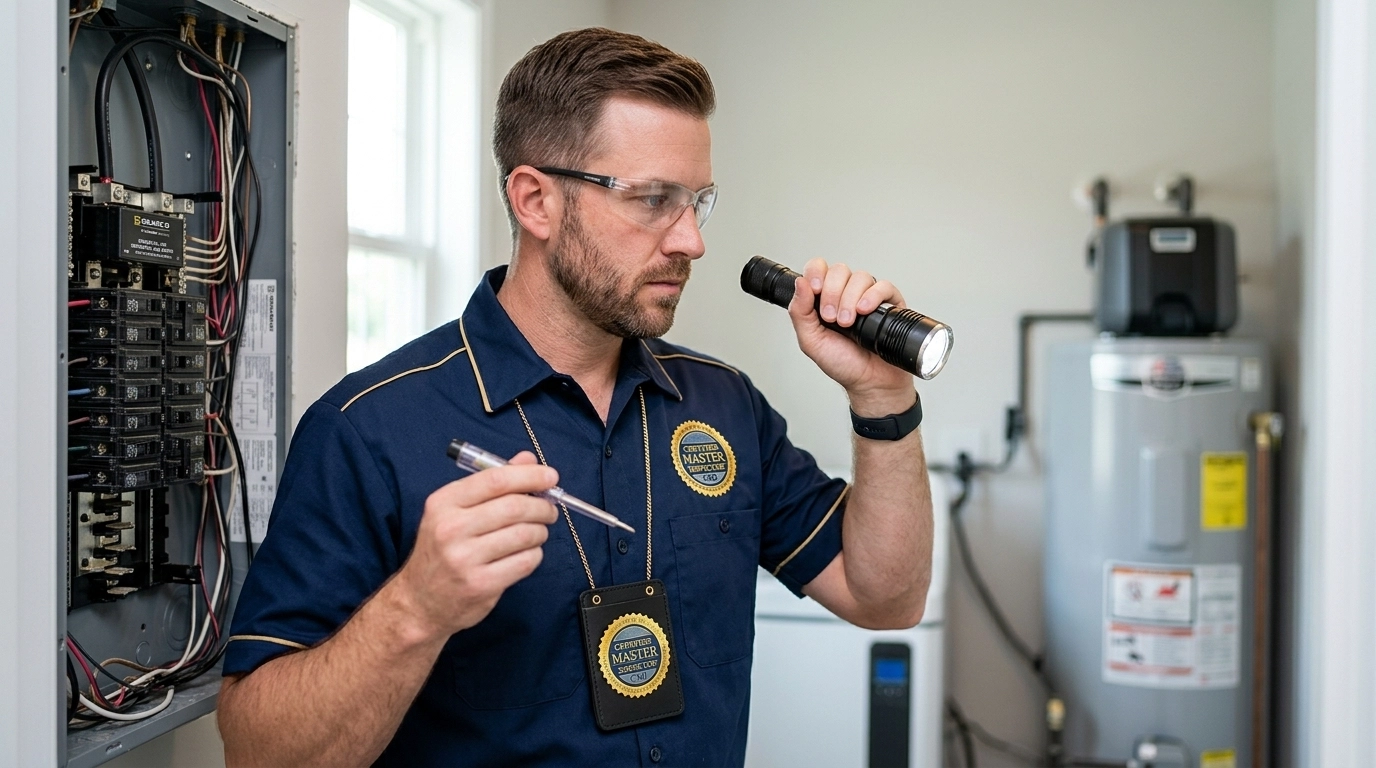
Professional inspector checking home electrical panel

Eliminating the "Deal-Killer" Surprises

In the Texas Hill Country, certain issues are more common than others. Foundation movement, roof damage from hail, and aging septic systems are frequent "deal-killers" that can send a buyer running. If these are discovered during the buyer’s option period, the psychological impact is often worse than the physical defect itself. The buyer starts wondering, "If they didn't know about the foundation, what else have they neglected?"

A comprehensive inspection by a Certified Master Inspector ensures that these major systems are evaluated with expert precision. At Veteran Home Inspections, we leverage a background in construction management to provide deeper insights into the severity of an issue. We don't just tell you something is broken; we help you understand the implications for your sale.

Common Issues Found in San Antonio Pre-Listing Inspections:

  • Foundation Settlement: Common in our local soil, identifying this early allows you to get a professional engineering report or repair estimate before a buyer enters the picture.
  • Wood-Destroying Insects (Termites): A termite inspection is a standard requirement for many loans. Finding and treating an infestation beforehand prevents delays.
  • Roof Integrity: With our local weather, minor hail damage can lead to major insurance claims. Knowing your roof's condition helps you decide whether to file a claim before listing.
  • Septic Functionality: For homes in the outlying areas of San Antonio, a septic inspection is non-negotiable. An unexpected septic failure can cost tens of thousands of dollars: finding this early is vital for your financial planning.

Accuracy in Pricing Means a Faster Sale

One of the hardest parts of selling a home is setting the right price. If you price too high and the inspection reveals $15,000 in necessary repairs, the buyer will feel like they are overpaying. If you price too low, you’re leaving money on the table.

A pre-listing inspection provides the factual data needed to justify your asking price. When your Realtor can point to a clean inspection report from a reputable firm like Veteran Home Inspections, it validates the "move-in ready" status of your home. This leads to:

  • Fewer days on market: Buyers feel confident moving quickly when the guesswork is removed.
  • Higher offer-to-list ratios: You won't have to "pad" your price to account for unknown repairs, leading to more competitive offers.
  • Appraisal support: An inspection report that shows a well-maintained home can occasionally assist in justifying value to appraisers.

Home inspection report on tablet with keys

The Psychological Advantage of Transparency

Buying a home is an emotional experience fraught with anxiety. Most buyers are terrified of inheriting a "money pit." When you provide a pre-listing inspection report, you aren't just giving them data; you are giving them peace of mind.

This transparency shifts the buyer’s mindset from "What is wrong with this house?" to "This seller has taken excellent care of this property." It differentiates your home from every other listing on the block. In a market where multiple homes might fit a buyer's criteria, the one that offers the most certainty is the one that gets the signature.

Why a Certified Master Inspector is Your Best Asset

Not all inspections are created equal. When you are preparing to list a property, you need a report that is beyond reproach. You need a Certified Master Inspector (CMI)®.

Certified Master Inspector Badge

Being a Certified Master Inspector means reaching the highest level of excellence in the inspection industry. It requires thousands of inspections and years of proven experience. As a veteran-owned business, we bring a level of discipline, attention to detail, and integrity to every job that is unmatched. Our background in construction management allows us to see past the surface and understand the "why" behind a home's condition.

When you present a report from Veteran Home Inspections, you are presenting a document backed by:

  • Elite Credentials: CMIs are among the top 1% of inspectors globally.
  • Fast Turnaround: We provide detailed, easy-to-read reports within 24 hours so you can get your home on the market without delay.
  • Construction Insight: We understand how homes are built, which means we can offer better context on what is a major structural concern versus a simple cosmetic fix.

Streamlining the Closing Process

The period between an accepted offer and the closing date is the most volatile time in a real estate transaction. This is when most deals fail. By the time a buyer performs their inspection, the "honeymoon phase" of the purchase is over, and they are looking for reasons to be cautious.

If you have already performed a pre-listing inspection and addressed the major items, the buyer’s inspection becomes a formality rather than a hurdle. Often, the buyer will see your report, see that the repairs have been made, and may even choose to waive their own inspection contingency or perform a much more limited "walk-through" inspection. This drastically reduces the time it takes to get from "Under Contract" to "Closed."

Texas Hill Country residential neighborhood

Secure Your Sale Today

Selling your home is one of the most significant financial transactions of your life. Don't leave the outcome to chance. By scheduling a pre-listing inspection San Antonio, you are protecting your investment, simplifying your life, and ensuring that you walk away from the closing table with the best possible terms.

Whether you are in Boerne, San Antonio, Bandera, or Kerrville, Veteran Home Inspections is here to provide the clarity you need. We offer a full suite of services, from standard inspections to specialized radon testing and water quality testing.

Ready to list with confidence?
Contact Michael Marlow at Veteran Home Inspections today to schedule your pre-listing evaluation and take the first step toward a successful, stress-free sale.

Thursday, January 9, 2020

17 Mistakes to Avoid When Selling Your House


Selling your house can be both exciting and stressful, especially if it’s your first time. Regardless of why you decided to sell your home, there are a number of pitfalls you can easily fall into, making your home selling experience less than ideal. Luckily, we’ve put together a list of the most common home selling mistakes people make so you can sell your home knowing you have your bases covered. 
Underestimating the cost of selling your house
While you should ultimately profit from the sale of your home, many home sellers forget about the costs associated with selling a house. For starters, you should expect to use five to six percent of the total sale price of your home to cover the commissions of both the seller and buyer agents. For example, if you sell your home for $300,000 you could wind up paying upwards of $18,000 in commission. 

Furthermore, this hefty cost doesn't include possible concessions homebuyers might want you to make during the negotiation phase, such as making repairs suggested by a home inspector.
Not budgeting for your move
When you consider the moving process, you have two options: hiring a moving company or borrow your buddy’s truck and doing it yourself. 

By hiring a moving company, rather than doing it yourself, you’re getting someone who will pack, move, and then unpack your belongings. This means that a full-service mover can be well worth the investment when you’re preoccupied with all of the other tasks associated with selling your home. Not to mention,when you hire movers your belongings are insured so you’re covered if anything breaks.
Selling a house you owe more on than what it’s worth
If you still have a remaining balance on your mortgage, you’ll most likely use a portion of the sale proceeds of your home to pay off the existing mortgage. Make sure you don’t owe more on your mortgage than what your house is actually worth or you won’t make enough money on the sale to pay off your mortgage. The best option is almost always to wait on selling your home so that it can build more equity. This way you can sell your home and buy a new one without having two mortgages at the same time.
Pricing your home incorrectly
If you price your home too high, your home may fall into seller’s limbo, sitting on the market for what feels like an eternity. On the other hand, if you price too low then you will likely sell your home quickly but you risk missing out on a significant amount of money. 

The first step to understanding how much your home is worth is utilizing an online calculator. Afterward, meet with your real estate agent to discuss a good pricing strategy for your home. They will look at other comparable properties in your neighborhood that sold recently as well as bring keen insights into what the housing market is currently doing. Together, you’ll determine a good starting price as well as a pricing strategy that will incentivise buyers if your house begins to sit on the market for too long.
Skipping a pre-listing home inspection
Selling a house is stressful enough, even when everything goes right. But if a homebuyer hires an inspector who catches an issue like mold, pests, or a cracked foundation, then your stress levels will multiply as you risk losing a potential sale entirely.

Given the affordability of home inspections, there’s not much reason to avoid them. Getting a pre-listing home inspection will put your mind at ease as you’ll either know that your home is in sound condition or you’ll be able to tackle problems before homebuyers have the chance to bring them up during the negotiation phase. If an issue does arise, you can either fix it or you can let buyers know and then make a concession during the negotiation phase by reducing the price of your home accordingly. 
Not refinishing hardwood floors or cleaning your carpet
If you’re reading this at home, look down. How do your floors look? Even if they don’t look terrible, there’s a pretty good chance they’re starting to show their age. Since potential buyers are going to be inspecting every aspect of your home, you should start thinking of refinishing your hardwood floors and cleaning your carpet.

The best time to have your carpet cleaned or hardwood floors refinished is right before you stage your home. Since you’ll already be moving most (or all) of your furniture to either a new home or a storage unit, this is a great time to get your floors done and make them a selling point to potential homebuyers.
Not staging your home for a quick sale
The main point of staging your home is to allow potential homebuyers the chance to picture themselves living in your space. They get to see a home with furniture and art that’s arranged in a way that highlights key features of your home, rather than an empty house that echoes every sound. Staging your home pays off too as 21 percent of agents told the National Association of Realtors that staging a home increased its’ sale price by as much as 10 percent, making it a worthwhile investment. 
Forgoing professional real estate photos
With the advent of cameras on smartphones, everyone likes to think of themselves as a photographer these days. Even though that picture you took of your dinner last week looked like it could be featured in advertisements, you’re still probably not ready to take your own real estate photos. A real estate photographer will make sure that your home looks great when you list it because not only do they have the equipment, they understand the angles that best sell a home. 

If you have a large home, a stunning view you want to show off, or a large amount of land, you may also want to consider having aerial photos taken of your home. The views that drones are able to capture are impressive and can help show off your home in a way that will make sure it stands out from other houses in your area that are on the market. Even better, drone technology makes this option more affordable than ever before, allowing you to get a lot more bang for your buck.
Trying to sell a poorly lit home
You want to show your home in the best light, so take the time to really gauge the quality of your lighting by closing your curtains/blinds and looking at each room as though you’re a potential homebuyer. Make a note of any rooms that are poorly lit or just seem dark and then call an electrician so that you can have some additional lighting installed. 

Even worse than a poorly lit room, however, is when the lights don’t work at all. Sometimes the light bulb is just burnt out, while other times the socket itself is in need of repair. Consider calling an electrician before you begin showing your home to make sure it’s shining its brightest. Potential buyers (and your bank account) will thank you for the investment.
Not making your home energy efficient
If you’d like to spend less on your utility bills, you aren’t alone. A study by the National Association of Realtors found that 33 percent of homebuyers see high-efficiency HVAC systems as an important factor when looking at a new home. If you have an older home, you should look into either retrofitting or replacing your HVAC unit altogether as your current system might be using a lot more energy than it needs to be. This will ensure that you have a system that is meeting your home’s needs, while also lowering your utility bill.

If you’re committed to energy-efficiency then there are a few extra things you can do. These options include making sure your home is properly insulated, ensuring that you don’t have any leaky air ducts, and buying a smart thermostat. Whichever route you pursue, having an energy-efficient HVAC system will make your house stand out from the competition. 
Not cleaning your house before trying to sell it
Most of us would probably be lying if we said our homes weren’t overdue for a good cleaning, so don’t forget to check this box before listing your home for sale. There’s nothing more off-putting during a home tour than realizing the house is dirty, and potential homebuyers may wonder what else you’ve been neglecting. By hiring a professional cleaning company, you’ll guarantee that not only is your home spotless but that you’re going to make a great impression on homebuyers when they tour your house. 
Not addressing the exterior of your house
Over the years, your home’s exterior has taken a beating from the elements. With everything mother nature throws at it every year, the paint on your home’s exterior and the stain on your deck have likely lost a bit of their luster. So before listing, be sure to pressure wash your house first. In addition to making sure your house looks its best in the listing photos, you will also enhance the overall curb appeal when buyers eventually show up for a tour. 

In addition to pressure washing your house and deck, you can also take the time to pressure wash your garage door, fence, patio, driveway, and any walkways you may have. 
You never got around to repainting
One of the first things a potential buyer will notice when they pull up to your home is the paint. If you want to make a good first impression, then you’ll need to ensure that your home is painted an inviting color and that the quality of your paint job is top-notch. While the job of repainting your house might take a few days, the value of painting your house before selling will be well worth the effort.  A recent study found that painting the exterior of your home has a 51 percent return on investment. 

Don’t stop with the exterior though! We’ve all seen some pretty questionable color choices on the walls of homes. If you happen to have a lime green or bright purple wall, you’ll want to repaint them to be a more buyer-friendly neutral color. Doing so will make it easier for buyers to be able to picture themselves living in your home as it makes them think of your walls as a blank canvas.
Selling a home with a yard in need of some TLC
The other way to make a great first impression is by wowing potential buyers with your yard. Start by cleaning up anything that may be cluttering your yard, porch, or pathways (things like gardening equipment or a child’s bicycle). Then you can move onto mowing the lawn, weeding your garden, and planting some new flowers. If your yard has a damaged pathway, you may also want to think about fixing or even replacing it as well. 

If these touch-ups seem like a lot to tackle while you’re trying to sell your home, don’t be afraid to hire a landscaper as the cost is well worth it. A study by Turf Magazine found that a home’s value tended to increase by as much as 10 to 12 percent after making upgrades to the landscaping.
You have mismatched appliances
Maybe your black stove died a couple of years ago and you replaced it with a brand new stainless steel one. Or maybe you swapped out that white kitchen faucet you always hated with a copper one that caught your eye. Either way, the result is mismatched appliances. While it won’t necessarily impact the overall sale price of your home, many homebuyers are going to find the mismatched color scheme off-putting, so consider making some changes before you sell. 

The best way to proceed is to decide which kitchen appliances are your favorite and base the color scheme off of them. So if that fancy new stove you bought last year is stainless steel, then make sure your other appliances are too. Luckily, many appliance manufacturers offer discounts if you purchase multiple appliances with them at once.
Lingering during a home tour
Nobody likes a lingerer, especially when they also happen to be the owner of the home you’re currently touring. If you don’t leave the home during a showing, then potential buyers feel awkward as they attempt to discuss what they like and dislike about the house. You also prevent your listing agent from being able to do their job to the best of their abilities as you’re naturally going to want to answer any questions the buyers have rather than leaving those questions to your agent. So instead of staying in your home during a showing, try taking the opportunity to go shopping, run errands, or visit some friends instead. Your agent will thank you.
Taking a Lowball Offer Personally
Regardless of your reasons for moving, the fact that you’ve probably lived in your home for years means that you have a lot of strong feelings attached to it. So when you receive a lowball offer, it’s natural to be offended. 

Instead of walking away, send them back a counteroffer that you and your real estate agent think is fair. If they really are interested, then you’ll be glad you didn’t let your emotions get the better of you.