Showing posts with label pre-inspection. Show all posts

Wednesday, August 26, 2026

Why San Antonio Home Deals Are Falling Apart : and How the Right Home Inspection Keeps Yours Alive


Professional home inspector evaluating a San Antonio-area home

A home purchase can unravel quickly when an inspection reveals expensive or unexpected problems. In the San Antonio–New Braunfels area, buyers have more choices than they did during the most competitive periods of the market. That flexibility makes it easier to cancel a contract, negotiate significant repairs, or move on to another property.

According to Redfin’s January 2026 housing analysis, 21.2% of San Antonio home-purchase agreements were canceled that month: the highest percentage among the 47 major metropolitan areas analyzed. Redfin reported that San Antonio had approximately twice as many sellers as buyers, giving buyers more leverage during the inspection and due-diligence process.

Not every canceled contract results from an inspection. Financing changes, appraisal concerns, interest-rate fluctuations, and buyer uncertainty can also derail a transaction. However, inspection surprises remain one of the most preventable causes of conflict.

Whether you are buying or selling, the right inspection strategy can help you replace last-minute surprises with clear information and practical solutions.

Why San Antonio Home Deals Are More Vulnerable Right Now

A slower market changes how both sides approach a real estate contract.

When buyers have fewer competing offers and more homes to compare, they are less likely to accept significant defects without further investigation. A problem that might once have been overlooked can now become a reason to renegotiate or terminate, especially when the buyer is concerned about the cost of repairs.

Sellers face a different challenge. If a home returns to the market after a contract termination, future buyers may question why the first transaction failed. That can create additional pressure, particularly if the original inspection report identified structural, drainage, roof, plumbing, or electrical concerns.

The market conditions make preparation more important for everyone:

  • Buyers need timely information so they can make decisions before contractual deadlines expire.
  • Sellers need accurate knowledge of the home’s condition so they can address concerns before listing.
  • Agents need clear documentation to support productive negotiations rather than emotional reactions.
  • Both parties benefit from realistic expectations about repair priorities and potential costs.

A thorough inspection does not guarantee that a contract will close. It does give you the information needed to respond intelligently.

The Inspection Problems Most Likely to Create Conflict

A standard inspection is a visual evaluation of accessible components and systems. It is not a destructive investigation, engineering analysis, or guarantee against future failure. Even so, it can identify conditions that deserve attention before you commit to the property.

Common sources of contract conflict in the San Antonio area include the following.

Foundation Movement and Structural Concerns

Central Texas properties may be affected by expansive clay soils, drainage patterns, seasonal moisture changes, and settlement. Inspectors may observe indicators such as:

  • Cracks in masonry, drywall, ceilings, or flooring
  • Doors that bind or fail to latch
  • Uneven floors
  • Gaps around window or door frames
  • Separation at trim or exterior cladding
  • Evidence of previous foundation repairs
  • Poor grading or water collecting near the foundation

These observations do not automatically prove that a foundation has failed. They indicate that further evaluation may be appropriate. Depending on the findings, a buyer may need a qualified structural engineer or foundation specialist to determine the cause, severity, and recommended repair.

Identify these conditions early because a professional evaluation can take time to schedule. Waiting until the final days of the option period can leave you with fewer choices and unnecessary pressure.

Roof and Water-Intrusion Issues

Roof defects can create immediate financial concerns and may affect insurance or lending requirements. An inspection may identify damaged or missing shingles, deteriorated flashing, exposed fasteners, poor drainage, or signs of past leaks.

Water intrusion can also appear in attics, ceilings, wall cavities, crawlspaces, and around windows. A visible stain may represent an old, repaired leak: or an active problem that has not been corrected.

Ask for documentation when the seller reports that a repair was completed. Clear records help distinguish routine maintenance from unresolved damage, which reduces uncertainty during negotiations.

HVAC, Electrical, and Plumbing Deficiencies

Major mechanical systems often influence a buyer’s decision because repairs can be expensive and disruptive. An inspection may reveal:

  • Aging or improperly functioning heating and cooling equipment
  • Inadequate condensate drainage
  • Unsafe electrical conditions
  • Missing GFCI or AFCI protection where required
  • Leaking supply or drain plumbing
  • Corrosion or improper modifications
  • Water-heater installation concerns
  • Poorly supported or damaged ductwork

These findings should be prioritized according to safety, function, and likely urgency. Not every item requires replacement before closing. A well-organized report helps your agent and the seller focus on material concerns rather than treating every maintenance recommendation as a deal breaker.

Home inspector examining plumbing beneath a kitchen sink

How a Pre-Purchase Inspection Protects Buyers

The inspection should be scheduled as soon as possible after the contract is executed: not near the end of the option period.

Your contract establishes important deadlines, and your real estate agent or attorney should explain your rights and responsibilities. Veteran Home Inspections can provide the inspection findings, but we do not interpret contract deadlines or provide legal advice.

A disciplined process gives you more time to respond:

  1. Schedule promptly. Book your San Antonio home inspection early enough to allow for additional evaluations if necessary.
  2. Attend when possible. Your presence allows you to ask questions and understand the difference between a safety issue, a maintenance item, and a condition requiring specialist review.
  3. Review the report carefully. Look beyond the summary and examine the photos, descriptions, locations, and recommended next steps.
  4. Prioritize the findings. Focus first on safety hazards, active water intrusion, structural concerns, major system failures, and conditions that could affect insurability.
  5. Obtain specialist opinions when recommended. A home inspector can identify signs of concern, while engineers, electricians, plumbers, roofers, and other specialists evaluate specific systems in greater depth.
  6. Communicate before the deadline. Give your agent enough time to discuss repairs, credits, price changes, or other contract options.

Veteran Home Inspections provides detailed reports within 24 hours. That turnaround helps preserve your decision-making time, particularly when the option period is short.

Our pre-purchase inspection service examines accessible components such as the structure, roof, exterior, HVAC, electrical system, plumbing, attic, foundation, garage, and installed appliances. Additional services may be appropriate depending on the property, including termite, mold, radon, sewer-scope, septic, water-quality, or lead-based paint testing.

Why Sellers Should Consider a Pre-Listing Inspection

A seller may assume that waiting for the buyer’s inspection is simpler. In a market where buyers can walk away more easily, that strategy can create avoidable problems.

A pre-listing inspection in San Antonio gives you an opportunity to understand the property before it reaches the market. You can then decide whether to repair an item, disclose it, adjust the price, or sell the home as-is with a clearer explanation of its condition.

The benefits include:

  • Fewer inspection surprises: Addressing known concerns before listing reduces the chance of a buyer discovering them for the first time after contract.
  • More credible pricing: Repair information helps your agent develop a pricing strategy based on the home’s actual condition.
  • Stronger negotiations: Documentation allows you to respond to buyer concerns with facts and repair records.
  • Better transaction control: You can choose contractors and evaluate estimates before you are under closing pressure.
  • Reduced risk of returning to market: Resolving significant issues early can make the transaction feel more predictable to the buyer.

A pre-listing inspection does not require you to repair every item. The purpose is to replace uncertainty with control. You and your real estate professional can determine which conditions deserve immediate attention and which can be disclosed and negotiated.

Inspector conducting a pre-listing evaluation inside a San Antonio home

Choose an Inspector Who Provides More Than a Checklist

The quality of the inspection depends on the inspector’s training, experience, process, and communication.

Veteran Home Inspections is a veteran-owned company serving San Antonio, Boerne, Bandera, Kerrville, and surrounding Texas Hill Country communities. The inspectors at Veteran Home Inspections hold the Certified Master Inspector credential, a distinction that reflects advanced professional standards and experience.

We provide detailed, descriptive reporting within 24 hours and remain available to answer questions after the report is delivered. That support matters because inspection findings often require context. You should understand what was observed, why it matters, and what type of professional may be qualified to evaluate or repair it.

A home inspection is not intended to create fear or force a transaction to end. It is designed to help you make a sound decision with better information.

Keep Your Next San Antonio Home Deal Moving

Buyers cannot control market conditions, seller expectations, interest rates, or appraisal results. Sellers cannot control every concern a buyer may raise. Both sides can control how early they identify property conditions and how clearly they respond to them.

Schedule your inspection before the option period is nearly over. If you are selling, consider a pre-listing inspection before placing the home on the market. Early information gives you time to investigate, plan, negotiate, and move forward with greater confidence.

Request an inspection online or call Veteran Home Inspections at 210-202-1974 to discuss your property and inspection needs.

Thursday, May 21, 2026

The Seller’s Secret Weapon: Why a Pre-Listing Inspection in San Antonio is a Game Changer


A professional home inspection report and digital tablet on a table in front of a San Antonio home at sunset.

Selling a home in the competitive San Antonio real estate market requires more than just a fresh coat of paint and professional staging. In a landscape where buyers are increasingly savvy and cautious, you need every possible advantage to ensure a smooth, profitable transaction. Most sellers wait for the buyer to initiate an inspection, but this reactive approach often leads to lost time, reduced profits, and unnecessary stress.

At Veteran Home Inspections, we recommend a more proactive strategy: the pre-listing inspection. By having your property evaluated before it ever hits the market, you gain total control over the sales process. This "secret weapon" allows you to identify potential deal-killers, address necessary repairs on your own terms, and present a transparent, high-quality product to prospective buyers.

What is a Pre-Listing Inspection?

A pre-listing inspection in San Antonio is a comprehensive evaluation of a home’s condition, performed specifically for the seller before the property is listed for sale. It covers the same critical components as a traditional buyer’s inspection: including the roof, foundation, HVAC systems, plumbing, and electrical: but the findings are delivered directly to you, the homeowner.

This professional assessment provides a clear roadmap of your home’s current health. Instead of wondering what a buyer’s inspector might find, you have a detailed report in hand, allowing you to make informed decisions about pricing and repairs.

Eliminating the "Surprise Factor"

The most significant risk in any real estate transaction is the unknown. When a buyer discovers a major defect during their inspection period, it often triggers a "panic response." They may suddenly demand a massive price reduction, insist on expensive last-minute repairs, or even walk away from the deal entirely.

By opting for a pre-listing inspection, you eliminate these surprises. We provide you with a factual, objective look at your property’s condition. If we find a 15-year-old HVAC system that is nearing the end of its life or a plumbing leak in the crawlspace, you know about it first. This knowledge allows you to disclose these items upfront, which prevents the buyer from using them as leverage to renegotiate the price later in the process.

A professional inspector using a thermal imaging camera to check an HVAC system.

Maximizing Your Return on Repairs

When a buyer’s inspection report comes back with a list of deficiencies, you are often forced into a high-pressure situation. You usually have only a few days to find contractors, get quotes, and complete repairs before the closing date. This lack of time almost always results in paying a premium for labor.

Furthermore, buyers often overestimate the cost of repairs. A $500 electrical fix in their minds might translate to a $2,000 credit request. When you have a pre-listing inspection, you can handle repairs on your own schedule. You have the time to:

  • Solicit multiple quotes: Ensure you are getting a fair price from reputable San Antonio contractors.
  • Choose the scope of work: Decide whether to fix an item, replace it, or simply disclose it and adjust the asking price accordingly.
  • Verify the work: You can ensure the repairs are done correctly, preventing any issues during the final walkthrough.

Strengthening Your Negotiating Position

Information is the ultimate currency in real estate negotiations. When you provide a professional inspection report from Veteran Home Inspections to a prospective buyer, you are setting the tone for the entire transaction. You are demonstrating that you are an honest, transparent seller who has maintained the property diligently.

This transparency effectively "disarms" the buyer. It is much harder for a buyer to negotiate aggressively on price when all known issues have already been disclosed and accounted for in the listing price. In many cases, a pre-listing inspection can lead to "as-is" offers, as the buyer feels confident that they already know exactly what they are purchasing.

Building Instant Buyer Confidence

In the Texas Hill Country, trust is everything. Buyers are often hesitant to make a high-value offer on a home if they feel the seller is hiding something. A pre-listing inspection serves as a powerful marketing tool that builds immediate rapport.

When a buyer sees a Certified Master Inspector (CMI) badge on your disclosure packet, they know they are looking at a report from one of the top inspectors in the industry. It signals that the home has been vetted by an expert who understands the unique environmental challenges of the San Antonio area, from foundation shifts in expansive clay soils to the impact of high humidity on HVAC systems.

Certified Master Inspector Badge signifying elite industry expertise.

Faster Closing and Reduced Liability

A pre-listing inspection streamlines the path to the closing table. Many real estate deals fall through during the option period because of inspection disputes. By addressing these issues beforehand, you significantly reduce the likelihood of the deal collapsing.

Additionally, providing a comprehensive inspection report can help protect you from future liability. Under Texas law, sellers must disclose known defects. By having a professional inspection and sharing the results, you are creating a paper trail of full disclosure, which can be invaluable if a buyer later claims you withheld information about the property’s condition.

Why Choose Veteran Home Inspections?

When you are preparing your home for the market, you need a partner who values accuracy, speed, and integrity. We bring a disciplined, detailed approach to every property we evaluate. As a veteran-owned business, we understand the importance of clear communication and mission success: which, in this case, is getting your home sold.

We offer several key advantages for San Antonio sellers:

  • 24-Hour Digital Reports: We deliver our comprehensive, easy-to-read reports within 24 hours of the inspection, so you can move forward with your listing immediately.
  • Certified Master Inspector Credentials: Our inspectors hold the highest designation in the industry, ensuring that no detail is overlooked.
  • Comprehensive Services: Beyond our Standard Home Inspections, we can provide specialized testing for septic systems, sewer lines, and mold, giving your buyers total peace of mind.

A professional home inspection report on a desk with keys, ready for a sale.

Practical Steps for Sellers

If you are planning to list your home in San Antonio, Boerne, or the surrounding areas, follow these steps to maximize the value of your pre-listing inspection:

  1. Schedule Early: Aim to have the inspection completed at least two weeks before your home goes live on the MLS. This gives you ample time to address any findings.
  2. Review the Report with Your Realtor: Work with your real estate agent to determine which repairs are essential for sale and which ones can be disclosed as-is.
  3. Keep Receipts: If you perform repairs based on our findings, keep all invoices and warranties. These are excellent "value-add" items to show potential buyers.
  4. Make the Report Available: Include the inspection summary in your marketing materials or keep a full copy on the kitchen counter during showings.

The Bottom Line

A pre-listing inspection in San Antonio is not an expense; it is a strategic investment in the success of your sale. It provides you with the clarity needed to price your home accurately, the time needed to make cost-effective repairs, and the transparency needed to win buyer trust. In a market where timing and confidence are everything, don't leave your most valuable asset to chance.

Ready to take control of your home sale? Contact Veteran Home Inspections today to schedule your pre-listing assessment. We serve clients across the San Antonio area, including Boerne, Bandera, and Kerrville.

Call us at 210-202-1974 or schedule your inspection online to get started. Let us help you turn your "For Sale" sign into a "Sold" sign with confidence and ease.

Sunday, April 5, 2026

Why a Pre-listing Inspection San Antonio Will Change the Way You Negotiate Your Sale

 Professional San Antonio home with for sale sign

In the competitive San Antonio real estate market, the difference between a record-breaking sale and a deal that falls apart in escrow often comes down to one thing: transparency. Most sellers wait for the buyer to hire an inspector, putting themselves at the mercy of whatever findings that report uncovers. By the time the buyer’s inspection report comes back, you are already deep into the process, emotionally invested, and often under a tight deadline to close.

Choosing a pre-listing inspection San Antonio allows you to flip the script. Instead of reacting to a buyer’s demands for repairs or price drops, you take control of the narrative before the home even hits the market. This proactive approach doesn't just save you stress; it preserves your equity and strengthens your hand at the negotiating table.

Take Control of the Negotiation Table

When you list your home, you are making a claim about its value. However, that value is conditional upon the home’s actual physical state. If a buyer’s inspection discovers a significant issue: like a faulty HVAC system or structural concerns: they immediately gain the upper hand. They may demand an overpriced repair credit or a massive price reduction, knowing you are now motivated to keep the deal alive.

By investing in a pre-listing home inspection, you remove the buyer's ability to use "surprises" as leverage. You have two powerful choices once you have your own report in hand:

  1. Fix the issues yourself: You can hire your own contractors and control the costs, ensuring the work is done correctly and affordably.
  2. Disclose and price accordingly: You can present the report to potential buyers, showing them exactly what was found and explaining that the listing price already reflects those conditions.

This level of transparency builds immediate trust. When a buyer knows you aren’t hiding anything, they are more likely to submit a cleaner offer with fewer contingencies.

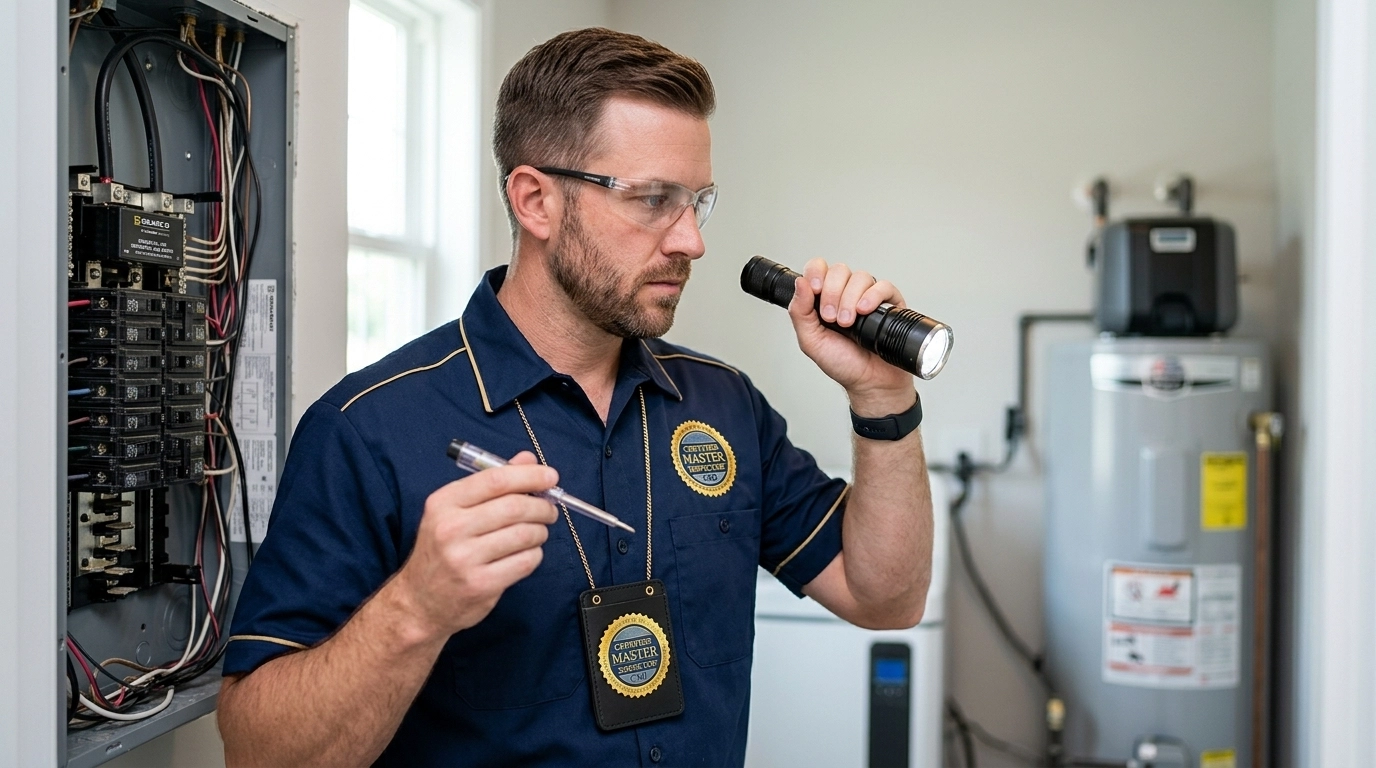
Professional inspector checking home electrical panel

Eliminating the "Deal-Killer" Surprises

In the Texas Hill Country, certain issues are more common than others. Foundation movement, roof damage from hail, and aging septic systems are frequent "deal-killers" that can send a buyer running. If these are discovered during the buyer’s option period, the psychological impact is often worse than the physical defect itself. The buyer starts wondering, "If they didn't know about the foundation, what else have they neglected?"

A comprehensive inspection by a Certified Master Inspector ensures that these major systems are evaluated with expert precision. At Veteran Home Inspections, we leverage a background in construction management to provide deeper insights into the severity of an issue. We don't just tell you something is broken; we help you understand the implications for your sale.

Common Issues Found in San Antonio Pre-Listing Inspections:

  • Foundation Settlement: Common in our local soil, identifying this early allows you to get a professional engineering report or repair estimate before a buyer enters the picture.
  • Wood-Destroying Insects (Termites): A termite inspection is a standard requirement for many loans. Finding and treating an infestation beforehand prevents delays.
  • Roof Integrity: With our local weather, minor hail damage can lead to major insurance claims. Knowing your roof's condition helps you decide whether to file a claim before listing.
  • Septic Functionality: For homes in the outlying areas of San Antonio, a septic inspection is non-negotiable. An unexpected septic failure can cost tens of thousands of dollars: finding this early is vital for your financial planning.

Accuracy in Pricing Means a Faster Sale

One of the hardest parts of selling a home is setting the right price. If you price too high and the inspection reveals $15,000 in necessary repairs, the buyer will feel like they are overpaying. If you price too low, you’re leaving money on the table.

A pre-listing inspection provides the factual data needed to justify your asking price. When your Realtor can point to a clean inspection report from a reputable firm like Veteran Home Inspections, it validates the "move-in ready" status of your home. This leads to:

  • Fewer days on market: Buyers feel confident moving quickly when the guesswork is removed.
  • Higher offer-to-list ratios: You won't have to "pad" your price to account for unknown repairs, leading to more competitive offers.
  • Appraisal support: An inspection report that shows a well-maintained home can occasionally assist in justifying value to appraisers.

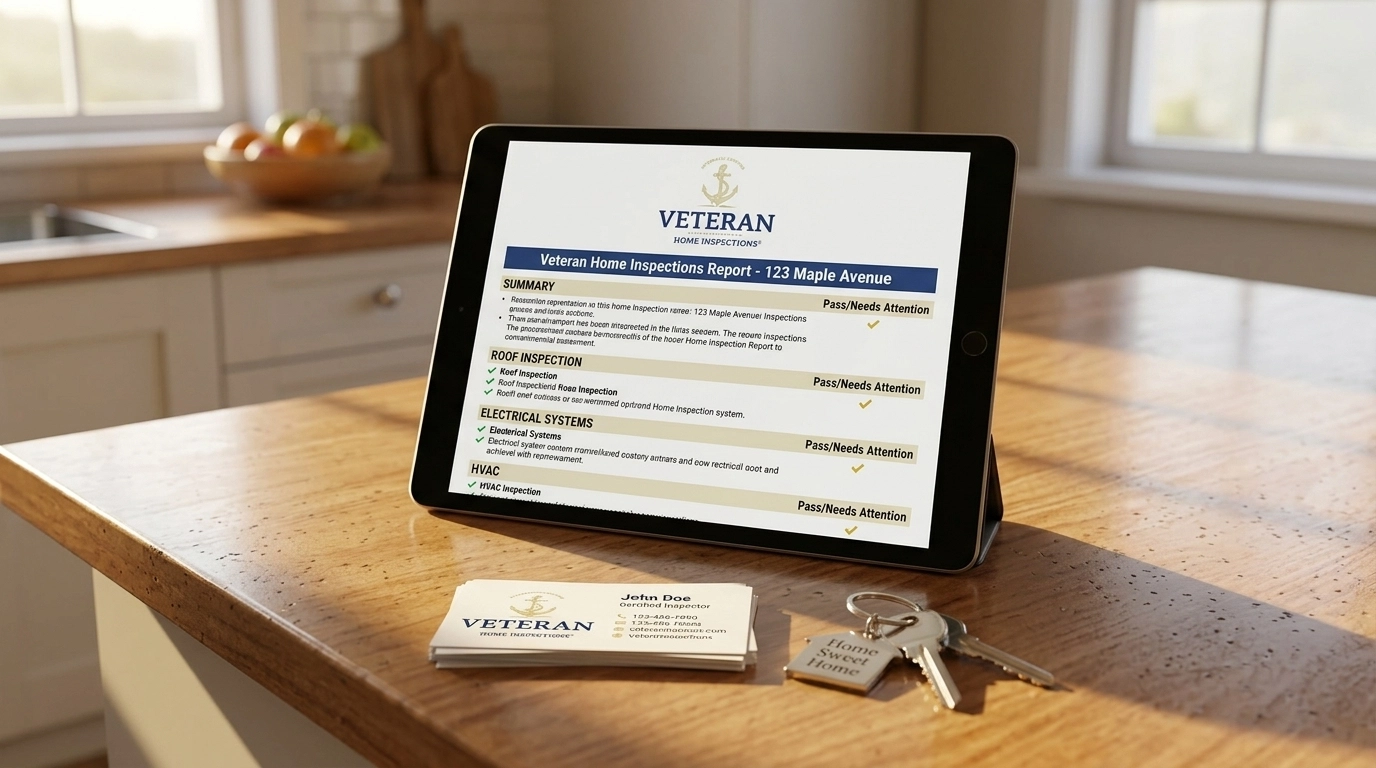
Home inspection report on tablet with keys

The Psychological Advantage of Transparency

Buying a home is an emotional experience fraught with anxiety. Most buyers are terrified of inheriting a "money pit." When you provide a pre-listing inspection report, you aren't just giving them data; you are giving them peace of mind.

This transparency shifts the buyer’s mindset from "What is wrong with this house?" to "This seller has taken excellent care of this property." It differentiates your home from every other listing on the block. In a market where multiple homes might fit a buyer's criteria, the one that offers the most certainty is the one that gets the signature.

Why a Certified Master Inspector is Your Best Asset

Not all inspections are created equal. When you are preparing to list a property, you need a report that is beyond reproach. You need a Certified Master Inspector (CMI)®.

Certified Master Inspector Badge

Being a Certified Master Inspector means reaching the highest level of excellence in the inspection industry. It requires thousands of inspections and years of proven experience. As a veteran-owned business, we bring a level of discipline, attention to detail, and integrity to every job that is unmatched. Our background in construction management allows us to see past the surface and understand the "why" behind a home's condition.

When you present a report from Veteran Home Inspections, you are presenting a document backed by:

  • Elite Credentials: CMIs are among the top 1% of inspectors globally.
  • Fast Turnaround: We provide detailed, easy-to-read reports within 24 hours so you can get your home on the market without delay.
  • Construction Insight: We understand how homes are built, which means we can offer better context on what is a major structural concern versus a simple cosmetic fix.

Streamlining the Closing Process

The period between an accepted offer and the closing date is the most volatile time in a real estate transaction. This is when most deals fail. By the time a buyer performs their inspection, the "honeymoon phase" of the purchase is over, and they are looking for reasons to be cautious.

If you have already performed a pre-listing inspection and addressed the major items, the buyer’s inspection becomes a formality rather than a hurdle. Often, the buyer will see your report, see that the repairs have been made, and may even choose to waive their own inspection contingency or perform a much more limited "walk-through" inspection. This drastically reduces the time it takes to get from "Under Contract" to "Closed."

Texas Hill Country residential neighborhood

Secure Your Sale Today

Selling your home is one of the most significant financial transactions of your life. Don't leave the outcome to chance. By scheduling a pre-listing inspection San Antonio, you are protecting your investment, simplifying your life, and ensuring that you walk away from the closing table with the best possible terms.

Whether you are in Boerne, San Antonio, Bandera, or Kerrville, Veteran Home Inspections is here to provide the clarity you need. We offer a full suite of services, from standard inspections to specialized radon testing and water quality testing.

Ready to list with confidence?
Contact Michael Marlow at Veteran Home Inspections today to schedule your pre-listing evaluation and take the first step toward a successful, stress-free sale.

Friday, May 5, 2017

Termite Control in the Home

Veteran Home Inspections provides Wood Destroying Insect inspections for the San Antonio, TX and Hill Country area.  

The following is an article from our professional organization about termites and how to best control them in your home:

Wood-destroying insects and other organisms can cause serious problems in the wooden structural components of a house, and may go undetected for a long period of time.

New Construction
All chemical soil treatments, bait systems, and chemical wood treatment must be approved by the Environmental Protection Agency (EPA) and applied in accordance with the EPA label's instructions. In some cases, it is not feasible for a builder to arrange for soil treatment. In this regard, the International Residential Code (IRC) by the International Code Council allows a builder to utilize pressure-treated wood as a measure of termite protection. If pressure-treated wood is used, however, it must be used in all framing members up to and including the top plate of the first floor's level wall. This includes the sub-floor and floor joists of the first floor. The use of pressure-treated wood in only the sill plate is not acceptable. In such cases, the builder must provide the lender with a letter stating that the house is protected from termites by the use of pressure-treated wood. The builder must also provide the home buyer with a one-year warranty against termites. The use of post-construction soil treatment where the chemicals are applied only around the perimeter of the foundation is NOT acceptable in new construction.
Appraiser’s Observations
Appraisers are to observe all areas of the house and other structures/areas within the legal boundaries of the property that have potential for infestation by termites and other wood-destroying organisms, including the bottoms of exterior doors and frames, wood siding in contact with the ground, and crawlspaces. Mud tunnels running from the ground up the side of the house may indicate termite infestation. Observe the eaves and gable vents and wood window sills for indication of the entrance of swarming termites, and note excessive dampness or large areas where the vegetation is dead. Evidence of active termite infestation must be noted.
Termites 
 
Subterranean termites are the most damaging insects of wood. Their presence is hard to notice, and damage usually is found before the termites are seen. Prevent infestations because if they occur, they will almost always need professional pest-control service.
Signs of Infestation
Hire a qualified InterNACHI inspector to inspect for termites or other wood-destroying organisms. Generally, the first sign of infestation is the presence of swarming termites on the window or near indoor light. If they are found inside the house, it almost always means that they have infested. Other signs that may be found are termite wings on window sills or in cobwebs, and shelter tubes, which are tunnels constructed by the termites from soil or wood and debris. Usually, wood damage is not found at first, but when it is found, it definitely reveals a termite infestation. Anywhere wood touches soil is a possible entry into a home for termites. Examine wood which sounds dull or hollow when struck by a screwdriver or hammer. Inspect suspected areas with a sharp, pointed tool, such as an ice pick, to find termite galleries or their damage.
Control
Control measures include reducing the potential infestation, preventing termite entry, and applying chemicals for remedial treatment.
Inspection
Inspect thoroughly to determine if there is an infestation, damage, and/or conditions that could invite a termite attack, or the need for remedial control measures. The tools and equipment needed for an inspection include a flashlight, ice pick or sharp-pointed screwdriver, ladder, and protective clothing. Always hire an InterNACHI inspector for your inspection needs, as they are trained by the highest standards in the inspection industry.
Outdoors
Check the foundation of the house, garage and other buildings for shelter tubes coming from the soil. Look closely around porches, connecting patios, sidewalks, areas near kitchens and bathrooms, and hard-to-see places. Check window and door frames, and where utility services enter the house for termite infestation or wood decay. Also, look behind shrubbery and plants near walls. Pay special attention to areas where earth and wood meet, such as fences, stair carriages and trellises. Open and check any exterior electrical meter or fuse box set into the wall, a common point of infestation.
Indoors
Carefully check all doors, window facings, baseboards, and hardwood flooring. Discoloration or stains on walls or ceilings may mean that water is leaking and can decay wood, and this can aid termite infestation. It is very important to inspect where plumbing and utility pipes enter the foundation and flooring. Also, examine the attic for shelter tubes, water leakage, and wood damage.
.
 Prevention
 Many termite problems can be prevented. The most important thing to do is to deny termites access to food (wood), moisture and shelter. Follow these suggestions:
  • have at least a 2-inch clearance between the house and planter boxes, or soil-filled porches;
  • eliminate all wood-to-soil contact, such as trellises, fence posts, stair casings and door facings (they can be put on masonry blocks or on treated wood);
  • separate shrubbery from the house to help make it easier to inspect the foundation line;
  • use wolmanized wood (pressure-treated wood) so that rain will not rot it;
  • seal openings through the foundation;
  • remove wood scraps and stumps from around the foundation;
  • have at least 12 to 18 inches of clearance between floor beams and the soil underneath.
Chemical Treatment
Termite treatment often requires specialized equipment. Therefore, it is recommended that you always use the services of a pest control operator because he is familiar with construction principles and practices, has the necessary equipment, and knows about subterranean termites.
Exterminating Termites 

If you think you have a termite infestation in your house, you need to call a structural pest control company to conduct a professional inspection. To find a company, ask friends or coworkers for recommendations, or check the Yellow Pages. If the inspection finds evidence of drywood termites, you have several options, depending on the degree of infestation. Fumigation and heating of the entire house are the only options that ensure eradication in the entire structure. If the infestation is contained in a small area, local or spot control may be effective. However, hidden infestations in other parts of the structure will not be eradicated.
Total (Whole-House) Eradication 
For the heat method, pets, plants, and other items that might be damaged by high temperatures must be removed. The house is then covered with tarps, and hot air is blown into the tarp until the inside temperature reaches 140° F to 150° F, and the temperature of the structural timbers reaches 120° F. The time to complete this procedure varies greatly from one structure to another, depending on factors such as the building's construction and the weather conditions. The procedure may not be practical for structures that cannot be heated evenly.
Local or Spot Control
Local or spot-control methods include the use of pesticides, electric current, extreme cold, localized heat, microwave energy, or any combination of these methods. Local or spot control also includes the removal and replacement of infested structural timber. These methods are intended to remove or kill termites only within the specific targeted area, leaving open the possibility of other undetected infestations within the structure. These treatments are NOT designed for whole-house eradication. Any pest control company that claims whole-house results with local or spot control methods is guilty of false advertising and should be reported.
Local or spot treatment with pesticides involves drilling and injecting pesticides into infested timbers, as well as the topical application of toxic chemicals. The electric-current method involves delivering electric energy to targeted infestations. For the extreme cold method, liquid nitrogen is pumped into wall voids adjacent to suspected infestation sites, reducing the area to -20° F. The localized heat method involves heating infested structural timbers to 120° F. The microwave method kills termites by directing microwaves into termite-infested wood.


If you see the following signs in your house, you might have termites:
  
• sawdust-like droppings; 
• dirt or mud-like tubes or trails on the structure; 
• damaged wood members (like window sills); and 
• swarming winged insects within the structure, especially in the spring or fall.

To schedule your home inspection with a wood destroying insect inspection, please call 210-202-1974 or schedule online at www.vhillc.com

Sunday, November 6, 2016

Make Sure You Know What "As-Is" Is

Why Get a Home Inspection If You’re Buying “As Is”?


by Mark Cohen, J.D., LL.M., InterNACHI General Counsel, and
Nick Gromicko, InterNACHI Founder

Some sellers – often, those working without an agent – want to sell their home “as is” so they don’t have to invest money fixing it up or take on any potential liability for defects.  There is nothing wrong with buying a home “as is,” particularly if you can buy it at a favorable price, but if you are considering buying an “as is” home, you should still hire a competent home inspector to perform an inspection.  There are several reasons for this.
First, you don’t know what “as is” is. Sure, you can walk through the home and get an idea of its general condition.  You may even spot some defects or items in obvious need of repair.  But you won’t obtain the same detailed information you will receive if you hire a home inspector.  Home inspectors are trained to look for things you are not likely to notice.  InterNACHI inspectors, for example, must follow InterNACHI’s Residential Standards of Practice and check the roof, exterior, interior, foundation, basement, fireplace, attic, insulation, ventilation, doors, windows, heating system, cooling system, plumbing system, and electrical system for certain defects.  Armed with a home inspector’s detailed report, you will have a better idea of what “as is” means regarding that home, which means you’ll be in a better position to know whether you want to buy it.  You may also be able to use information from the home inspection to negotiate a lower price.
Second, many states require the seller to provide you with written a disclosure about the condition of the property.  Sellers often provide little information, and a few even lie.  A home inspection can provide the missing information. If an inspector finds evidence that a seller concealed information or lied to you, that may be a sign that you don’t want to buy a home from that seller.
Finally, if you buy a home “as is” without hiring a home inspector and then later discover a defect, all is not lost.  A home inspector may be able to review the seller’s disclosure and testify as to what the seller knew or should have known about.  The inspector may find evidence that the seller made misrepresentations or concealed relevant information from you.  Even the seller of an “as is” home may be held liable for misrepresentation or concealment. 
But the better choice, obviously, is to hire a home inspector first.  Remember:  The cost of a home inspection is a pittance compared to the price of the home.  Be an informed consumer, especially when buying an “as is” home, and hire an InterNACHI Certified Master Inspector®.  
To shcedule your San Antonio, TX area home inspection, visit www.vhillc.com.  If you are outside of our service area, use www.inspectorseek.com to find an InterNACHI inspector in your area.

Source: https://www.nachi.org/as-is.htm

Tuesday, August 11, 2015

An Open Letter to Real Estate Investors (i.e. Flippers)

As a home inspector in Maryland, D.C., Virginia, and Texas, I see a lot of homes that have been flipped.  Some are well done, and are homes that I wouldn't mind living in.  Unfortunately, this is the rarity.  The vast majority of them are poorly done, if not down-right dangerous.  The sad part of it is, I have to break this news to the buyers that have fallen in love with a house that looks really nice, with the brand new kitchen and bathrooms, nice hardwood floors, and beautiful landscaping.  When I start showing them all the areas where the flipper took shortcuts, I can see the disbelief building in their faces until it becomes straight-up anger.  Sometimes this leads to a huge list of items on the repair addendum, and sometimes just an outright cancellation of the contract.

So, why am I telling you all of this?  Chances are, that some of you reading this have had a deal fall apart after an inspection, and you probably blamed it on the over-zealous home inspector.  I'm writing today to tell you how to avoid this situation altogether, and hopefully make more money.  See, I don't personally have anything against flippers.  I am one myself!  I see the benefit you could provide to a community, and to the buyers of the houses you renovate.  By doing a few simple things, you can actually provide a better product, reduce stress on everyone involved in the transaction, and likely make more money!

First off, let's go over the common things I find on flipped houses.  Then I'll tell you the secrets to preventing these issues.

Permits!  Yes, you most likely need them.  And with today's online systems, it's really easy to see if you pulled permits, and if you got the final inspection.  In most jurisdictions, you need permits if you are going to knock out a wall to make the desired open-concept layout, or if you need to replace things like the HVAC, water heater, or electric panel, or finish a basement.  When I see any of this work done on a home I'm inspecting, I automatically insert a note to the buyer to check with the local jurisdiction to see if permits were pulled and final inspections passed.  Guess what happens when they find out this wasn't done?

Use a licensed contractor.  If your area requires contractors to have a license, make sure they are actually licensed.  I am also an FHA 203(k) consultant, and part of my job is to verify contractor licenses.  There are a lot of people out there flying under the radar claiming to have a license.  This not only helps to ensure they do quality work, but it protects you from unlicensed (and probably uninsured) contractors screwing up your investment.  Also, unless you actually know what you're doing, it's easy to see the work done by unlicensed individuals.  YouTube is great for entertainment, but that how-to video on electrical repairs is likely going to lead to trouble.

Electrical.  This one really deserves its own post, but I'll hit the highlights here.  One of the most common issues I see is outdated electrical panels.  This can be easily fixed for a couple thousand dollars, but is often overlooked.  And while you have the electrician there, spend a bit more to have them check over the entire electrical system.  I often find poor electrical work in the attic and basement where someone just decided to tap into a circuit to add the recessed lights, or the electric for the new island in the kitchen.   Another big one to watch out for is the actual wiring.  There are two things you need to be careful of.  Knob & Tube and solid strand aluminum.  K&T wiring was used in the early 20th century, and is easy to identify by the porcelain knobs and tubes along the wiring.  It's very outdated, and many home insurance companies will require that it be replaced before insuring the home.  While I have found occasions where the system was still present in the attic, the most common situation I see is that it's been cut out and replaced in the attic/basement.  However, you need to remember that the whole house was wired with this system.  If you have a home with K&T, it will need to be completely rewired.

Aluminum wiring was commonly used in the 60s and 70s as a cheaper alternative to copper wiring.  While multistrand aluminum is still used today on larger circuits (main service entry, AC compressors, electric ovens, etc.) and is perfectly safe there, we are concerned with the solid strand aluminum used on the smaller branch circuits (lights, plugs, etc.)  You should have your licensed electrician check the house for aluminum branch circuits, and if it's found you can either replace it (preferred) or have them make sure the connections are properly made.  Of note, there are not any approved wire nuts for copper-aluminum connections.  For a CPSC article on aluminum wiring, click here.  Once they have done this, have them certify this in writing.

Water intrusion.  Very simply, invest in a moisture meter and learn how to use it.  Nothing scares a potential buyer like water in the basement.  Check the basement periodically throughout your project, and especially after a good rain, and make sure it's staying dry.  If it isn't, get it fixed.  Also, the various brands of interior waterproofing paint don't fool the moisture meter.

Plumbing issues.  I have inspected houses where water was literally coming out of the side of the house.  Going back to the previous section on water intrusion, water issues in general will scare a buyer away.  Pay a licensed plumber to check, and fix, the system.  Once they are done, run the fixtures and check for leaks.  Fill up the sinks and tubs and drain them a few times.  Check underneath them with your moisture meter after about 30 minutes to make sure they aren't leaking.  Also, check for polybutylene piping.  This is a plastic piping used from 1978-1995, and is easily identified by looking for PB2110 on the labeling.  If you find it, have it replaced.

Decks.  Again, this is one that could occupy a whole post.  Every year I see multiple stories about deck collapses.  If you follow the story past the initial coverage, you will often find that the cause was found to be either that it was unpermitted or unmaintained.  If you have a deck in decent condition, still have it checked to make sure it was constructed properly and is in good material condition.  If you need a new one, make sure it's built right, and to code.  I regularly see new decks that are just one house-warming party away from disaster.

Roofs.  Take a moment to look up.  Along with the whole water issue, roofs scare buyers (probably because the roof keeps the water out).  Buyers also tend to think roofs are super expensive.  If the roof is nearing (or beyond) the end of its serviceable life, get it replaced.  Some signs of a failing roof are curling, broken, or missing shingles, moss growth, water stains on the interior ceilings, and depressions between the roof trusses.  When you have a roof replaced, make sure the roofer replaces the flashing, plumbing boots, and any deteriorated sheathing.  I recently had an inspection where the flipper put new shingles on, but didn't replace the multiple areas of rotted sheathing.  Now he's paying for another new roof.

So, by now you're probably having visions of an empty checking account and wondering how doing all of this is going to make you more money.  Here's how: the home inspector can be an ally instead of the enemy.

When you are looking to purchase a property, have it inspected.  This will give you a very good idea of what needs to be repaired, and help you build your budget.  Then you can get the property at the right price.  If you can't get an inspection contingency, hire a home inspector to go look at houses with you.  While not ideal, we can still give you a very good idea of the major issues.  If you get an inspection done, you can then use that inspection report to help you negotiate a price that accurately reflects the condition of the property.  A hint, if you're buying an REO, put a summary of the issues in the body of the email.  REO agents will not open an inspection report, since then they would have to disclose those issues to the next buyer.  If they're in the body, they have now been informed.

Once you are done with the renovations, have the inspector come back and do a MoveInCertified™ inspection and use that as a marketing tool.  The last house I personally flipped, the buyer's agent admitted he tried to steer his clients away from a flipper house.  After the buyer's inspection, I had to replace one 50¢ outlet that had broken.  The buyer's agent actually went out of his way to compliment us on the quality of work and lack of issues on a 115-year old home.  The other benefit of a MoveInCertified™ inspection is that you don't have to worry about failing to disclose a material defect.  You can include the inspection report in your disclosure to buyers.  The worst case scenario is, you can go back to your licensed contractor and have them fix it (hopefully for free if they screwed up to begin with).  Not only do buyers now see the condition of the house, they also see that you are trying to be as open and honest as possible.

If you follow this plan, you won't have to worry about the buyer's inspection anymore.  You will already know what the condition of the house is from a home inspection standpoint.  You've already fixed or disclosed any issues, and you're ready for them to inspect it.  No more last minute surprises.  Now the buyer's inspection is just confirmation of your quality product instead of an impending nightmare.

It may seem that I've just presented a way for you to spend more money and put more in my pocket.  Well, chances are, the house is going to get inspected.  How many times have you seen a house you were interested in go under contract and then come back on the market within 10 days?  Have you ever lost a contract after the inspection found several issues?  When this happens, you now have to fix or disclose those issues, and you keep accruing your holding costs until you find a new buyer.  You also may be forced into dropping the price.  Wouldn't it be cheaper to just do things right the first time and sell it faster?

If you're in the San Antonio, TX area, call us to help you at 210-202-1974, or email mike@vhillc.com.  You can also book online at www.vhillc.com. If you're somewhere else, go to www.certifiedmasterinspector.org to find a certified inspector that can offer you a MoveInCertified™ inspection.


Sunday, August 10, 2014

10 things you can check to make the home inspection easier

As a home inspector, I frequently see the same issues on houses new and old.  While some are issues that are best left to the experts to repair (electrical...), some are simple maintenance issues that a homeowner can take care of themselves for minimal cost.   Here are several issues that can be easily repaired, so that I don't have to put them as issues when I inspect your home:

1. Loose Toilets: Your toilets should be a solid throne, not a rocking/swivel chair.  When the toilet loosens from the toilet flange, the movement causes damage to the wax ring that forms the seal between the toilet and the flange (the drain pipe).  This can quickly lead to sewage leaks.  If your toilet rocks when you sit on it, or if you can swivel it easily, it's time to pull it up, replace the wax seal, and reset the toilet.  As a DIY project, all you need is the wax ring, which should cost you under $10.

This thermal image shows water leaking from a toilet on the second floor.  The drywall in this area had just been replaced, and I would have never found this without the thermal imaging camera.  The water is the yellow-white area, since the water has been heated by the sun on this area.


2. Leaking Sinks:  Another common source of plumbing leaks is under sinks.  These leaks sometimes stay hidden until I come along and really put the plumbing to the test.  To properly test your sink, put the stopper in and fill it up...almost to the top.  If it has an overflow drain, let a good amount of water run into it, since these are often either plugged or leak.  Once the sink is full, pull the plug and watch under the sink with a flashlight.  If you see any water dripping down, it's time to either tighten things up a bit, or it may be time to replace the drain piping.  If you decide to fix this on your own, make sure you use the right materials, and check for leaks afterwards, and after using it a few times.

3. Caulk/Grout in tubs and showers:  Even though the tubes of caulk say they are good for 20-30 years, it must be tested under absolutely ideal conditions.  I have received several complaints from the seller's side about being nit-picky on caulk and grout, but these two things are your first-line defense against water intrusion into the walls behind your shower.

This is the inside of a shower wall after the tile was removed.  The grout and caulk had failed after only 2 months of use and the black stuff was confirmed to be stachybotrys (toxic black mold).
 The good news is, removing old caulk and replacing it is quite easy, and cheap.  Grout takes a little more skill, but it's still not hard, or expensive.  As a side note, grout does not do well in corners, but most grout makers have matching caulk that can be used in the corners of your shower.

4. Downspout extensions:  I cannot stress enough how important it is to get the water away from your foundation, even if you don't have a basement.  And by away, I mean 6-8 feet away.  This means that those plastic splash blocks you can put at the bottom of the downspout aren't enough.  Get the extendable hoses and stretch them out (under $10 each).  Also make sure that the ground around your home slopes away from the foundation, at least 6 inches over the first 10 feet.  If you have underground drains for your downspouts, make sure they work.  During a steady rain (not a thunderstorm), go outside and make sure they aren't backing up where the downspout connects.  If it is, it's time to have them cleaned out, because this is just dumping a lot of water right next to your foundation.

This is how you should manage the water coming down your downspout.  If you have the plastic splash blocks, you can put them at the end of the hose if you want.

For underground downspout extensions, check them during a steady rain (but not during a thunderstorm) to make sure they are draining properly and not backing up next to the house.


5. Smoke/Carbon Monoxide Alarms:  Please, Please make sure these are working!  They save lives!  If you haven't already upgraded to the units with the 10-year battery, make sure you change the batteries in all of your alarms every 6 months.  If you have gas/oil appliances (furnace, water heater, stove, etc), a fireplace, or an attached garage, you should have Carbon Monoxide (CO) detectors as well.  One on each level with a  potential CO source, as well as one in the hallway outside the bedrooms.  I can't emphasize this one enough, not just to help the inspection, but to save your life in an emergency.

6. GFCI Outlets:  Check to make sure they work.  You should do this every month anyways, but this is another frequent problem I find.  To test, simply push the test button, which should cause the reset button to pop out (and the power to go off).  Then push the reset button to restore the power.  As long as the test works and the receptacle resets, it should be working properly.  If the test doesn't work, or if the receptacle doesn't reset, it's time to have an electrician replace it.

7. Attics:  When was the last time you were in your attic.  Take a look up there to see how the insulation is doing.  Are there areas where insulation is missing?  Pay attention to areas around electrical boxes (which should have a cover on them) and bathroom vent fans.  If insulation is missing, or displaced, it will stand out like a sore thumb on the thermal imaging camera.  It only costs a little time to redistribute displaced blown in insulation, but you should wear protective gear like disposable coveralls, goggles and a dust mask.  Beware if your house was build before the early 1990s as the insulation may be vermiculite.

Missing insulation shows up very well on thermal imaging.  This area was found to have no insulation at all. 


While you're in the attic, take a moment to check the bathroom vent fans.  They should be connected to a vent tube that exits the attic.  These fans are designed to remove warm, moist air and when that air is blown into the attic, it can cause wood rot and mold.
This bathroom vent fan didn't exit the attic, and was blowing directly on the roof sheathing.  The black and white substance was found to be mold.
8. Dryer Vent Hoses:  Another common issue I find is with the dryer vent hose.  The proper type of hose is the semi-rigid hose (like the one in the picture above).  Frequently I find the flexible foil hoses, and their even more dangerous substitute, the plastic hose!  Both of these were designed for things like bathroom vent fans, not anything with heat.  Remember, lint is very flammable, and the foil and plastic vents are not able to contain flame.  Believe it or not, these vents were allowed up until 2006, when the new standard was finally issued.  Look for a dryer vent hose meeting UL2158A standards.

9. Furnaces:  When is the last time you changed your furnace/AC filter?  If you have to think about it, or it's been more than a month or so, go ahead and replace it.  While you are there, if your furnace is fueled by oil or propane, is there enough in the tank for the inspector to test the unit?  And are the pilot lights lit on all of your appliances?  This is one of the most frequent causes for me to go back out to reinspect something, and most of the time, the seller ends up paying me for the reinspect.

10. Light Bulbs:  This one probably seems like another nit picky issue, but aside from showing the buyer how well the house is lit, and making moving around the basement safer, I need to know that everything works.  I don't have time to go looking for your spare bulbs, or to change bulbs from working fixtures to make sure it's just a bad bulb.  If a light doesn't work, I have to assume that there is more than a bad bulb.

Checking these 10 things will not only help you to get through your home inspection, they will contribute to the health and safety of your home.  So even if you aren't getting ready to sell your home, take a few minutes to check your home.  The time invested now will save you a lot of time and money down the road.

For more information, or to book your full home inspection, visit www.vhillc.com or call 210-202-1974